"Artemis II" mission
Heat shield held up! Astronauts preparing for landing



The four “Artemis II” astronauts—Reid Wiseman, Victor Glover, and Christina Koch, along with Canadian Jeremy Hansen—flew around the Moon, set records, and saw what no human had seen before them. Their successful return to Earth took place early Saturday morning. During the mission’s most critical phase, everything went according to plan.
 Kronen Zeitung als bevorzugte Google-Quelle hinzufügen
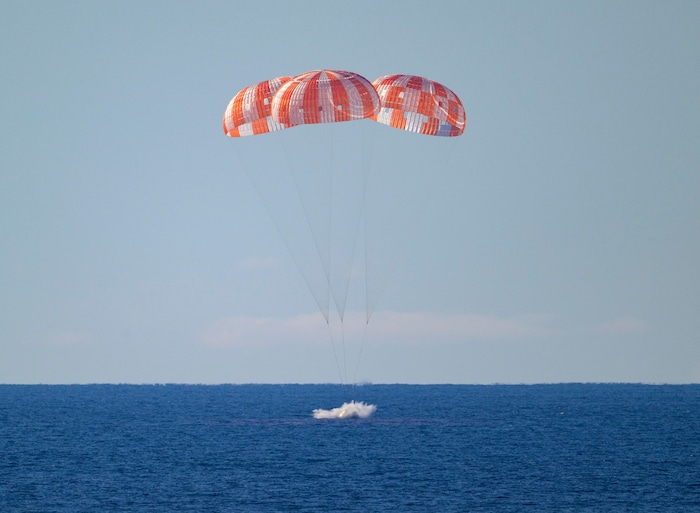
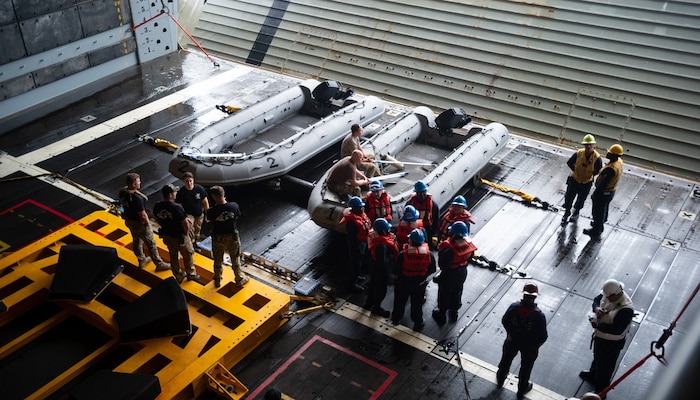
 The four astronauts were the first humans in 50 years to be near the Moon. Shortly after 2 a.m., the “Orion” capsule splashed down in the Pacific Ocean—a term known in technical jargon as a “splashdown.” The recovery team from the aircraft carrier “USS John P. Murtha” was at the landing site with helicopters and boats. Specially trained Navy personnel handled the recovery of the astronauts, and medical staff were also on site.
However, it took nearly two hours before the four crew members could exit the spacecraft. To stabilize the capsule drifting on the open sea, Navy divers placed a hose and a floating external platform around “Orion.”
On this platform, the astronauts waited one after another to be transported away by helicopter. Following tradition and protocol, Commander Reid Wiseman was the last to leave the capsule. On the deck of the U.S. military ship, the astronauts were greeted not only by numerous welcome messages but also by extensive medical check-ups. According to initial reports, however, the four astronauts survived their journey unscathed and in high spirits.
The most critical phase of the mission began shortly before 2:00 a.m. CET with the “blackout,” the six-minute loss of radio contact during reentry into Earth’s atmosphere. But everything went according to plan; the heat shield withstood the strain. The weather also did not throw a wrench in NASA’s plans.
The moment of landing in the video:
NASA celebrates “textbook maneuver”
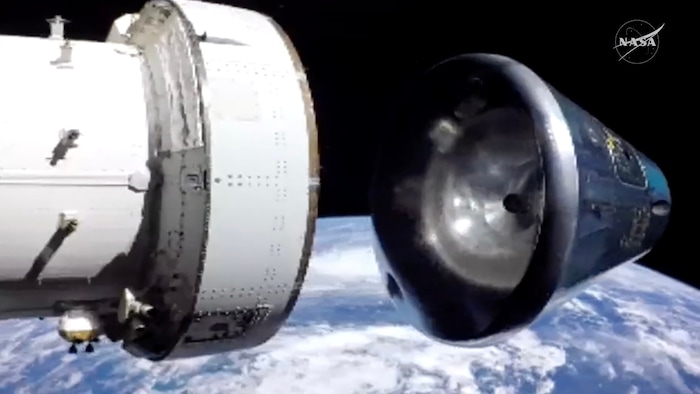
Even during the landing, NASA was calling it a “textbook maneuver”; things couldn’t have gone better for the somewhat crisis-stricken U.S. space agency. Around 1:35 a.m., the “Integrity” module—the command capsule—had been separated from the service module, where the astronauts had been living for the past few days. This module, built by the Europeans, remains in space. The maneuver to achieve the correct entry angle was also successfully carried out shortly thereafter. After reentry, the parachutes opened and the “Orion” capsule landed as planned.
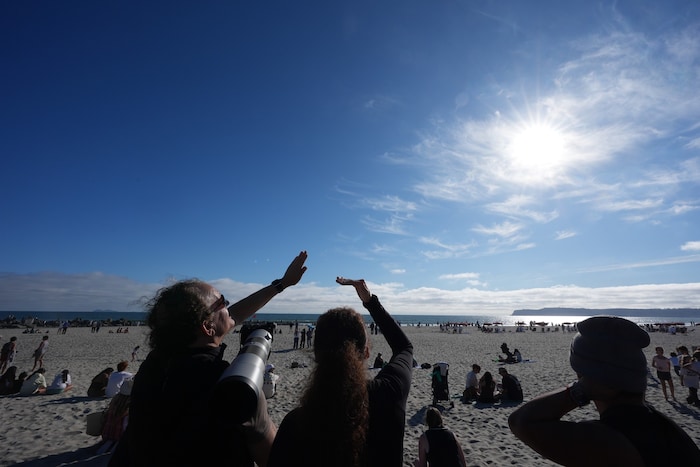
Images of the landing and recovery of the astronauts:




















For Glover, Koch, and Wiseman, it was their second flight into space; for Hansen, it was her first. Koch became the first woman, Glover the first person of color, and Hansen the first Canadian aboard a NASA lunar mission.
NASA Administrator Jared Isaacman had previously congratulated the "Artemis 2" crew on Friday on their lunar orbit and immediately cautioned: "This mission is not over until they have safely landed by parachute in the Pacific."
Heat shield had to withstand extreme temperatures
In fact, according to the unanimous opinion of experts, the four astronauts were facing the riskiest phase of the entire mission. The heat shield of the “Orion” capsule had to withstand extreme temperatures during reentry into Earth’s atmosphere. Otherwise, NASA’s historic endeavor could have ended in disaster.
After the capsule carrying the four astronauts had traveled 406,771 kilometers from Earth—setting a new record—the return flight to Earth began on Easter Monday.
NASA officials, however, had already assumed in advance that the heat shield would pass its test, while former NASA engineers, ex-astronauts, and external experts had expressed doubts. They had explicitly called for another unmanned test mission beforehand, but NASA had rejected this.
Graphic: How the planned return to Earth unfolded
There were problems with the capsule’s heat shield during a previous test mission
The reason for the hotly debated topic: NASA had only admitted, after a delay of nearly a year and a half, that the unmanned “Artemis I” mission in 2022 had resulted in cracks, spalling, and uneven ablation at more than 100 locations on the heat shield. Gases produced when the heat shield material vaporized could not escape properly, built up pressure, and led to material erosion. Although the shield had fulfilled its protective function, the damage was greater than expected. A report by a team of experts had been redacted in some places, leading to accusations that NASA lacked transparency.
However, no redesign of the heat shield was commissioned for the recently concluded “Artemis II” mission, as this would have been very expensive and delayed the mission by years. Now we will have to wait for the analysis of the landing, during which the damage will be precisely assessed.

The heat shield must work; there is no second chance, no Plan B.
Jared Isaacman, Amerikas oberster Raumfahrtchef, vor der Landung
“Motivated wishful thinking”: Critics lashed out at NASA
The re-entry flight path had been changed from that of “Artemis I” to include a steeper entry angle and thus a shorter stress phase. According to NASA, the duration of exposure to high temperatures was reduced from 14 to eight minutes. Critics such as former astronaut Charlie Camarda, who flew on the Space Shuttle in 2005, had, however, called the decision crazy. Even limited spalling could risk total failure. Critics accuse NASA of “motivated wishful thinking” in favor of the “Artemis” schedule. They claim the U.S. space agency is not drawing the right conclusions from past disasters.
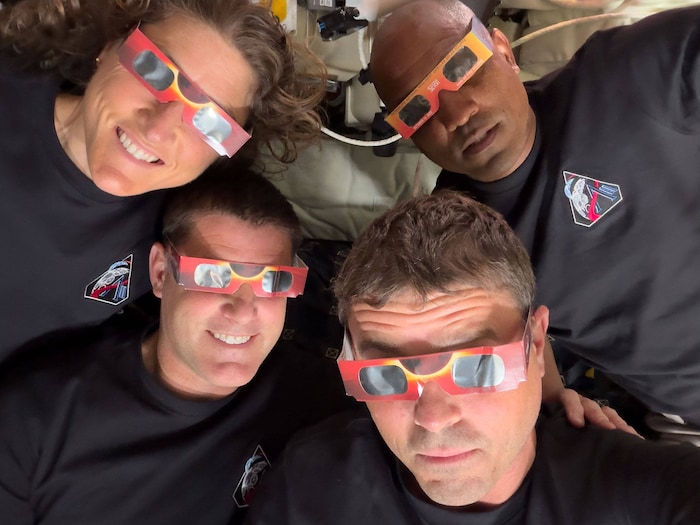
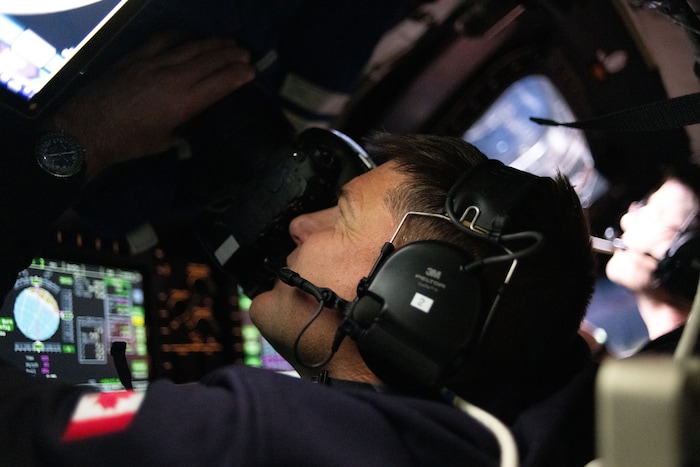
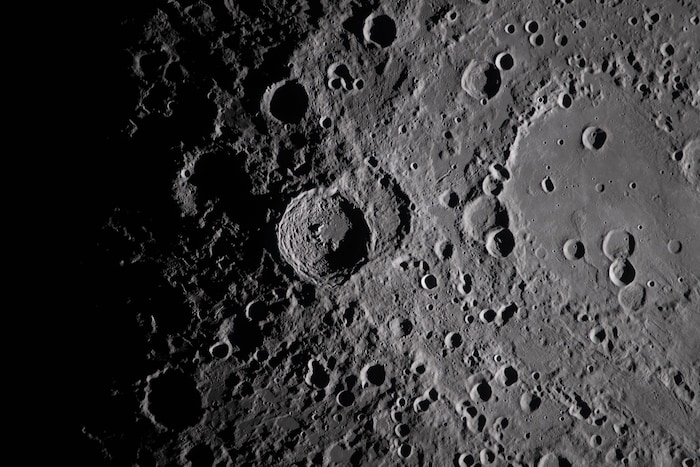
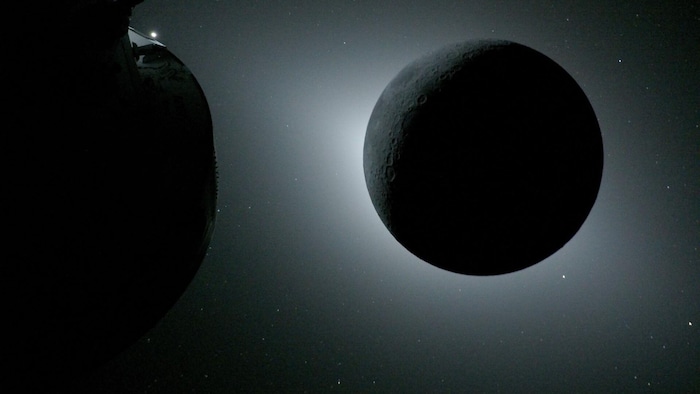
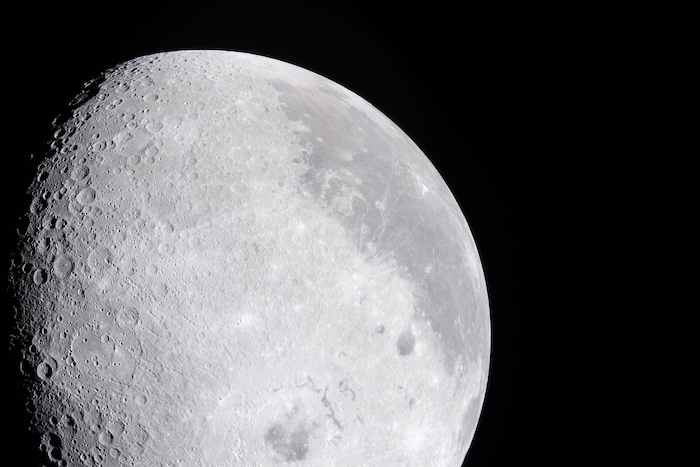
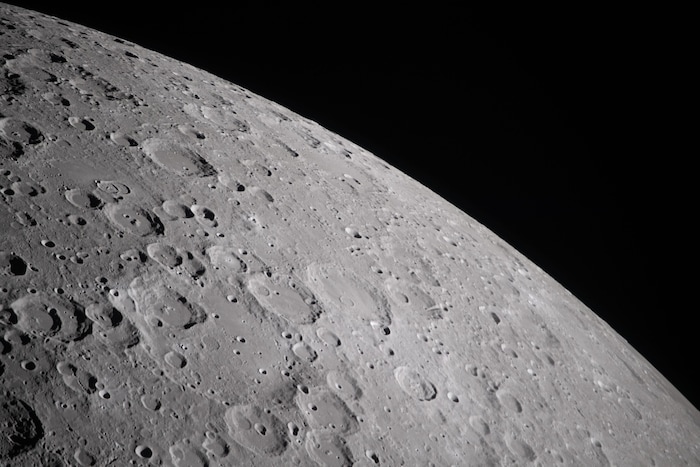
Spectacular images from the “Artemis 2” mission:
In 2003, the Space Shuttle Columbia broke apart during reentry into Earth’s atmosphere because hot plasma entered the wing through a hole in the fuselage, melting the aluminum structure. The seven astronauts on board died. In the 1986 Space Shuttle Challenger disaster, seven astronauts also died when the shuttle exploded 73 seconds after launch because a O-ring on the booster failed, allowing hot combustion gases to escape.
“Artemis III” mission planned for next year
Critics argue that unexpected damage was identified during the “Artemis I” mission, but it is being classified as “acceptable” instead of fundamentally changing the heat shield material. That is not planned until the “Artemis III” mission next year.
Surface temperatures exceeding 2,700 degrees
Currently, the “Orion” capsule has a so-called ablative heat shield made of the same Avocat material that was already used in the “Apollo” program. This is a material that “burns away” in a controlled manner under extreme heat stress, forming a protective layer and dissipating heat through gases and vaporization. The material is designed to withstand surface temperatures of more than 2,700 to 2,800 degrees Celsius, such as those encountered during reentry from a lunar mission. In the case of the Space Shuttle or SpaceX’s Dragon crew capsule, the surface temperatures of the heat shield are significantly lower, at around 1,600 degrees Celsius, because they enter the atmosphere from a lower altitude and at a lower entry speed.
During their flight around the Moon, the four astronauts observed the celestial body particularly closely for about seven hours. Especially on the far side of the Moon, they were able to see things that no human had ever seen with their own eyes before, partly due to the solar conditions. For about 40 minutes during this time, as previously expected, the astronauts were unable to communicate with the control center on Earth.
Twelve Americans on the Moon so far
The first person on the Moon was Neil Armstrong on July 20, 1969. The last person to date to leave Earth’s satellite was NASA astronaut Eugene Cernan, who died in 2017, during the “Apollo 17” mission in December 1972. In total, the U.S. was the only country to date to send twelve astronauts to the Moon as part of the “Apollo” missions between 1969 and 1972.
This article has been automatically translated,
read the original article here.











Liebe Leserin, lieber Leser,
die Kommentarfunktion steht Ihnen ab 6 Uhr wieder wie gewohnt zur Verfügung.
Mit freundlichen Grüßen
das krone.at-Team
Hinweis in eigener Sache: Das krone.at-Forum präsentiert sich ab sofort in neuem Design! Wir freuen uns über konstruktives Feedback. Damit die Diskussionen in den Kommentarbereichen beim jeweiligen Thema bleiben, können Sie uns Rückmeldungen hier hinterlassen.
User-Beiträge geben nicht notwendigerweise die Meinung des Betreibers/der Redaktion bzw. von Krone Multimedia (KMM) wieder. In diesem Sinne distanziert sich die Redaktion/der Betreiber von den Inhalten in diesem Diskussionsforum. KMM behält sich insbesondere vor, gegen geltendes Recht verstoßende, den guten Sitten oder der Netiquette widersprechende bzw. dem Ansehen von KMM zuwiderlaufende Beiträge zu löschen, diesbezüglichen Schadenersatz gegenüber dem betreffenden User geltend zu machen, die Nutzer-Daten zu Zwecken der Rechtsverfolgung zu verwenden und strafrechtlich relevante Beiträge zur Anzeige zu bringen (siehe auch AGB). Hier können Sie das Community-Team via unserer Melde- und Abhilfestelle kontaktieren.