
Sources of disturbance
What robs us of sleep – and what helps against it
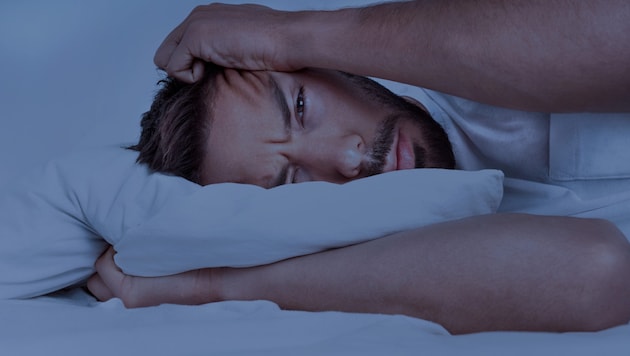

A good night's sleep is essential for our well-being - but all too often, after a long day at work, we don't get the rest our bodies so urgently need. Krone+ on the reasons why we lose sleep at night - and what can help.
 Kronen Zeitung als bevorzugte Google-Quelle hinzufügen
 "Austria sleeps alarmingly badly," was the sobering conclusion of Salzburg sleep researcher Manuel Schabus on the occasion of World Sleep Day last March. Across all age groups, 25 to 30 percent of people in this country suffer from sleep disorders, with women being affected more frequently.
This is not without consequences: Poor sleep increases the risk of health problems and mental illness. A weakened immune system leads to more infections, the irritability of those affected also increases, "and the risk of anxiety disorders and depression increases," says Schabus. "We even know that a permanent lack of sleep can shorten life expectancy by up to five years."
But what deprives us of sleep at night? A recent study from Germany sheds light on this.





















Da dieser Artikel älter als 18 Monate ist, ist zum jetzigen Zeitpunkt kein Kommentieren mehr möglich.
Wir laden Sie ein, bei einer aktuelleren themenrelevanten Story mitzudiskutieren: Themenübersicht.
Bei Fragen können Sie sich gern an das Community-Team per Mail an forum@krone.at wenden.