What happens next?
4,000 jobs here depend on the crisis-stricken VW Group
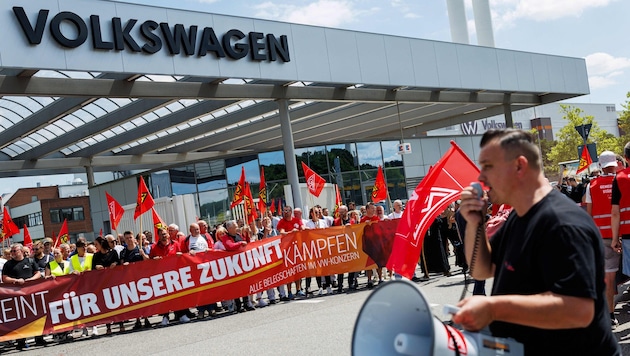

The German automaker is making drastic cuts—which could also affect many local suppliers, especially in Upper Austria. Wifo expert Klaus Friesenbichler sounds the alarm, while industry representative Rudolf Mark offers reassurance.
 Kronen Zeitung als bevorzugte Google-Quelle hinzufügen
 A bombshell in our neighboring country: As reported, the German automaker VW is cutting up to 50,000 jobs. In addition, the model lineup is set to be reduced by half. This seismic shift at the corporate headquarters in Wolfsburg could send ripples all the way to us. According to a study by the Economic Research Institute Wifo and the Supply Chain Institute ASCII, approximately 6,300 jobs in the Austrian supplier industry are directly linked to VW—about two-thirds of them, or 4,000, are in Upper Austria.
Chinese Companies Could Take Over VW Plants
Many of the local supplier companies are directly or indirectly linked to the Volkswagen Group: “VW is too big not to supply VW,” says Rudolf Mark, spokesperson for the Automotive Cluster in Upper Austria and managing director of Mark Metallwarenfabrik in Spital am Pyhrn.
Nevertheless, he remains unconcerned about the VW crisis: “Only a negligible number fewer cars will be produced in Europe.” According to Mark, if the German group closes plants, Chinese automakers could take over the abandoned production facilities—which, in turn, would be an opportunity for suppliers from Upper Austria. “Of course, supplying Chinese manufacturers is also a challenge. We have to become significantly faster and more cost-effective,” says Mark.

We’re taking a relaxed view of this. Only a negligible number fewer cars will be produced in Europe.
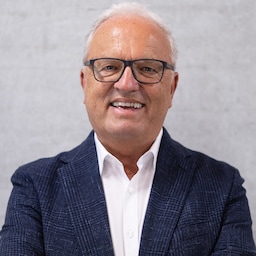
Rudolf Mark, Sprecher des Automobilclusters in OÖ
Bild: Mark Metallwarenfabrik GmbH
Electric cars require fewer components
Wifo economist Klaus Friesenbichler is less optimistic: “Dependence on the Germans is a dilemma. As a supplier, you’re at the mercy of decisions made in Wolfsburg.” Friesenbichler suggests that local companies could try to diversify their business and find alternatives to the auto industry.
Dependence on the Germans is a dilemma. As a supplier, you’re at the mercy of decisions made in Wolfsburg.
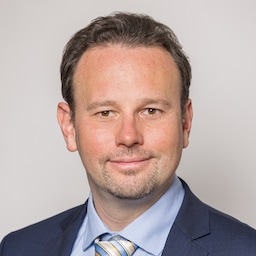
Klaus Friesenbichler, Industrieökonom am Wifo
Bild: WIFO/Alexander Müller
The economist also sees the shift toward electric powertrains as a challenge for suppliers: “When you produce electric cars, you need fewer components. Producing these parts generally requires about a third fewer workers. That puts pressure on the regional job market.” In total, the automotive industry—including suppliers—in Upper Austria comprises 280 companies and research institutions with 31,000 employees.
This article has been automatically translated,
read the original article here.











Liebe Leserin, lieber Leser,
die Kommentarfunktion steht Ihnen ab 6 Uhr wieder wie gewohnt zur Verfügung.
Mit freundlichen Grüßen
das krone.at-Team
Hinweis in eigener Sache: Das krone.at-Forum präsentiert sich ab sofort in neuem Design! Wir freuen uns über konstruktives Feedback. Damit die Diskussionen in den Kommentarbereichen beim jeweiligen Thema bleiben, können Sie uns Rückmeldungen hier hinterlassen.
User-Beiträge geben nicht notwendigerweise die Meinung des Betreibers/der Redaktion bzw. von Krone Multimedia (KMM) wieder. In diesem Sinne distanziert sich die Redaktion/der Betreiber von den Inhalten in diesem Diskussionsforum. KMM behält sich insbesondere vor, gegen geltendes Recht verstoßende, den guten Sitten oder der Netiquette widersprechende bzw. dem Ansehen von KMM zuwiderlaufende Beiträge zu löschen, diesbezüglichen Schadenersatz gegenüber dem betreffenden User geltend zu machen, die Nutzer-Daten zu Zwecken der Rechtsverfolgung zu verwenden und strafrechtlich relevante Beiträge zur Anzeige zu bringen (siehe auch AGB). Hier können Sie das Community-Team via unserer Melde- und Abhilfestelle kontaktieren.