Millions Obtained by Fraud?
Serious Allegations Against the Brothers of Mercy
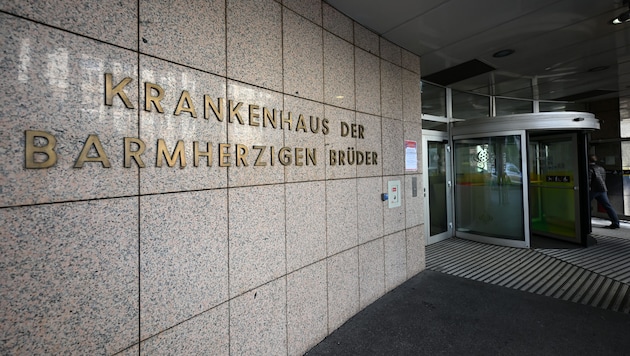

Serious allegations have been leveled against the Catholic order of the Brothers of Mercy: The hospital operator is said to have overcharged its own hospitals for medications for years, thereby defrauding the government of millions in tax money.
 Kronen Zeitung als bevorzugte Google-Quelle hinzufügen
According to *Der Spiegel*, internal accounting documents obtained by the magazine point to a sophisticated billing system. The documents, dating from 2024, detail the prices at which the order purchased and resold medications.
The Order operates seven hospitals in Austria. At four locations, the affiliated pharmacies serve a dual purpose: they supply both the Order’s hospitals and other clinics. The pharmacies charged the Order’s own hospitals significantly higher prices, reports *Der Spiegel*.
Prices Increased by 1,000 Percent
According to the report, the Order purchased an antibiotic for the Linz pharmacy at an average purchase price of 19.49 euros per unit of measure. For resale to the Linz Deaconesses—who are not affiliated with the Brothers—they charged a retail price of 24.15 euros. For their own clinic at the same location, they charged 241.25 euros for the same medication—almost ten times the price charged to external customers.
Has the order systematically enriched itself unjustifiably over the years? The Brothers of Mercy reject this accusation. The order explained that the billing complies with applicable legal provisions. The presumption of innocence applies.
According to *Der Spiegel*, the documents also detail other medications that were subject to substantial markups. These inflated drug prices may have artificially inflated the costs of the Order’s hospitals and thus likely increased their so-called operating losses. A large portion of the resulting additional costs may then have been borne by the federal states—and thus by taxpayers and those with health insurance. This is because social security helps finance the states’ hospital operations.
Order Points to Audits
The Order emphasizes that the financial statements of public and nonprofit hospitals are regularly audited by the respective state agencies as part of the federal states’ financial oversight. While an audit by the Styrian Health Fund is still ongoing, billing at all locations is expected to become more transparent retroactively for the entire year of 2026, the Order stated on Wednesday.
According to the Order, an initial report from the Health Fund has been available in Graz since mid-September. This report reaches a different conclusion than the legal assessment by the Brothers of Mercy and independent experts, the Order explained on Wednesday. From their perspective, the transfer price covers—in addition to the cost of the medication—items such as drug preparation, pharmaceutical care during patient visits, clean rooms, personnel costs, IT services, and storage.
“Distorted Picture”
Comparisons with the purchase price or with deliveries to external facilities that do not receive these services are therefore insufficient. Furthermore, values regarding markups taken out of context provide a distorted picture. The key factor is the overall picture: when considering all medication billing and the associated services over the course of a year, the average difference is significantly lower than in these individual cases.
The Barmherzige Brüder are now awaiting the assessment of the relevant authorities. “Audits are important and appropriate. At the same time, ongoing proceedings must not be equated with final findings. Our interest is in a complete, objective, and transparent clarification,” explained Peter Ausweger, General Director of the Barmherzige Brüder Austria.
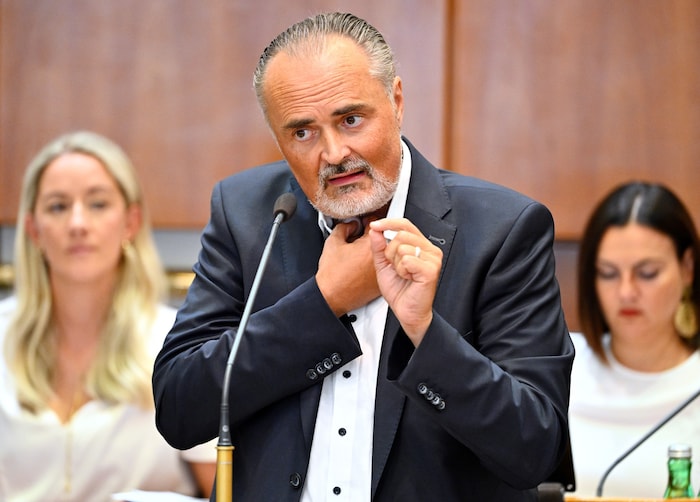
Doskozil Raised Allegations in 2019
The allegation of inflated drug prices was first raised in 2019 by Burgenland Governor Hans Peter Doskozil. His state government ordered a payment freeze because the order’s pharmacy had charged its own hospital far too much for medications. The Brothers of Mercy subsequently sued the state for 33 million euros. At the time, Doskozil spoke of losses to Burgenland amounting to more than two million euros per year.
This article has been automatically translated,
read the original article here.










Willkommen in unserer Community! Eingehende Beiträge werden geprüft und anschließend veröffentlicht. Bitte achten Sie auf Einhaltung unserer Netiquette und AGB. Für ausführliche Diskussionen steht Ihnen ebenso das krone.at-Forum zur Verfügung. Hier können Sie das Community-Team via unserer Melde- und Abhilfestelle kontaktieren.
Hinweis in eigener Sache: Das krone.at-Forum präsentiert sich ab sofort in neuem Design! Wir freuen uns über konstruktives Feedback. Damit die Diskussionen in den Kommentarbereichen beim jeweiligen Thema bleiben, können Sie uns Rückmeldungen hier hinterlassen.
User-Beiträge geben nicht notwendigerweise die Meinung des Betreibers/der Redaktion bzw. von Krone Multimedia (KMM) wieder. In diesem Sinne distanziert sich die Redaktion/der Betreiber von den Inhalten in diesem Diskussionsforum. KMM behält sich insbesondere vor, gegen geltendes Recht verstoßende, den guten Sitten oder der Netiquette widersprechende bzw. dem Ansehen von KMM zuwiderlaufende Beiträge zu löschen, diesbezüglichen Schadenersatz gegenüber dem betreffenden User geltend zu machen, die Nutzer-Daten zu Zwecken der Rechtsverfolgung zu verwenden und strafrechtlich relevante Beiträge zur Anzeige zu bringen (siehe auch AGB). Hier können Sie das Community-Team via unserer Melde- und Abhilfestelle kontaktieren.