New prices effective August 1.
District heating prices will rise by up to six percent
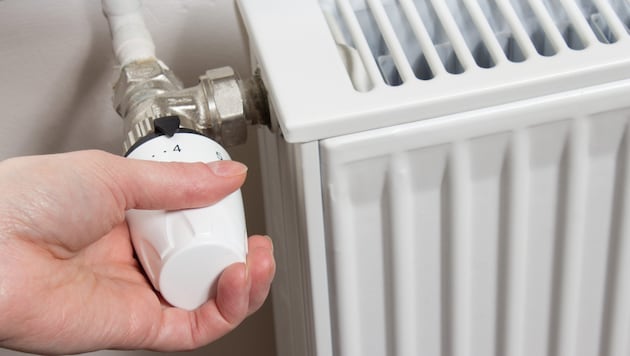

Few people are likely thinking about heating these days during the heat wave, but one thing is certain: District heating will become more expensive again in the coming heating season. Linz AG, Energie AG, and EWW Wels are raising their prices. Approximately 200,000 customers in Upper Austria are affected.
 Kronen Zeitung als bevorzugte Google-Quelle hinzufügen
 The new prices from the three major energy providers in Upper Austria will take effect as early as August 1. Customers of Linz AG will face the largest increase: the municipal company is raising its district heating prices by six percent. At Energie AG, the increase is 5.45 percent, and EWW Wels is raising its prices by 3.1 percent. In total, around 200,000 customers are affected by the increases.
Increases Above the Inflation Rate
The Upper Austria State Price Authority has already approved the new rates, as “ORF OÖ” first reported. The increase by Linz AG is nearly twice as high as the current inflation rate. For a household with 70 square meters of living space, this means an average monthly cost increase of just under six euros. “The reason is the strained cost situation,” according to the municipal utility. Production has become more expensive compared to last year. “The market price for natural gas rose by 40 percent. Pellet prices rose by 30 percent,” according to Linz AG. The company points out that, despite the increase, it still offers “the most affordable district heating rates among state capitals.”
Energie AG emphasizes to the “Krone”: The rate increase “reflects the actual development of our cost structure.” The price increase by the state utility amounts to one euro in additional costs per month for every ten square meters of living space.
Kaineder Calls for Expansion of Renewables
Because there is effectively a monopoly in district heating, the three major providers must apply to the state for price increases. State Climate Councilor Stefan Kaineder (Greens), who is politically responsible for the price regulatory authority, is calling on Linz AG and Energie AG to invest “more and faster” in renewable energy sources. “The less a district heating network depends on fossil fuels and their price spikes, the more stable prices can remain in the long term,” according to a statement from Kaineder’s office. In 2024 and 2025, district heating rates were even increased by up to eight percent.
This article has been automatically translated,
read the original article here.











Liebe Leserin, lieber Leser,
die Kommentarfunktion steht Ihnen ab 6 Uhr wieder wie gewohnt zur Verfügung.
Mit freundlichen Grüßen
das krone.at-Team
User-Beiträge geben nicht notwendigerweise die Meinung des Betreibers/der Redaktion bzw. von Krone Multimedia (KMM) wieder. In diesem Sinne distanziert sich die Redaktion/der Betreiber von den Inhalten in diesem Diskussionsforum. KMM behält sich insbesondere vor, gegen geltendes Recht verstoßende, den guten Sitten oder der Netiquette widersprechende bzw. dem Ansehen von KMM zuwiderlaufende Beiträge zu löschen, diesbezüglichen Schadenersatz gegenüber dem betreffenden User geltend zu machen, die Nutzer-Daten zu Zwecken der Rechtsverfolgung zu verwenden und strafrechtlich relevante Beiträge zur Anzeige zu bringen (siehe auch AGB). Hier können Sie das Community-Team via unserer Melde- und Abhilfestelle kontaktieren.