Doctors Sound the Alarm
Man Drinks Kratom Tea and Suffers Cardiac Arrest
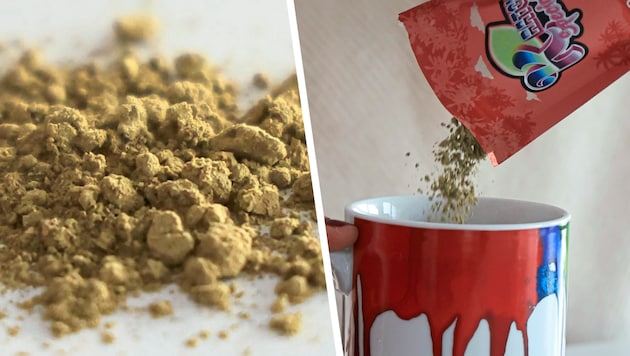

Kratom tea, which is readily available at specialty herbal shops or vending machines, has caused acute cardiac arrest in a healthy 22-year-old man. This is reported by intensive care physicians in Innsbruck, who are now sounding the alarm. It is the first such case in Austria. There are major problems in the U.S.
 Kronen Zeitung als bevorzugte Google-Quelle hinzufügen
 “We are reporting the first case of cardiac arrest in Austria associated with isolated kratom poisoning in a young man. Toxicological blood analysis confirmed the suspicion and revealed significantly elevated mitragynine concentrations. Although kratom is considered a low-risk substance, it can cause severe and potentially fatal side effects,” wrote Jonas Dunz of the Innsbruck University Clinic for Anesthesiology and Critical Care Medicine and his co-authors in the *Wiener klinische Wochenschrift*.
Just how easy it is to obtain kratom tea was demonstrated only last year by a “Krone” test purchase in Innsbruck.

A 22-year-old man suddenly collapsed in his apartment. His roommate found him unconscious, convulsing, and without a pulse.
Innsbrucker Intensivmediziner
Warning Also from German Authorities
Kratom tea is often prepared from powder made from the leaves of the Southeast Asian kratom tree. In early July 2025, the German Federal Institute for Drugs and Medical Devices stated, among other things: “The Federal Institute (...) warns patients against using kratom for medical purposes. (...) The safety and efficacy of kratom have not yet been sufficiently tested. Kratom is advertised online as a herbal remedy for pain, inflammation, coughs, anxiety, depression, and other illnesses.”
Last December, the German Consumer Protection Agency summed it up as follows: “Not a legal dietary supplement: Kratom powder can be addictive and have dangerous side effects.”

Two Cases of Cardiac Arrest
The latter was apparently exactly what happened in the case now being reported by doctors at the Innsbruck hospital. “A 22-year-old man suddenly collapsed in his apartment. His roommate found him unconscious, convulsing, and without a pulse, and immediately began basic life support.” The emergency physician confirmed cardiac arrest.
Following resuscitation—including four minutes of chest compressions and an adrenaline injection—his heart and circulation resumed. However, cardiac arrest then occurred again. Fortunately, through intensified resuscitation efforts, cardiovascular function was restored once more. Intubated and on mechanical chest compressions, the patient was transported to the University Hospital of Innsbruck.
Initially, no clues as to the cause
Initially, the cause of the incident could not be determined. Intensive and extensive examinations revealed no evidence of a serious underlying condition. The 22-year-old was otherwise healthy. Initial toxicological blood tests showed no evidence of alcohol, sedatives, sleeping pills, or antidepressants. Urinalysis also showed no traces of amphetamines, cocaine, or opiates, with the exception of fentanyl, which was present as a pain medication.
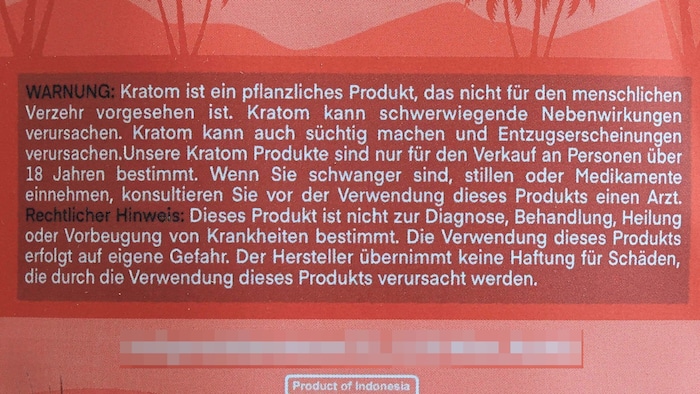
However, the patient reported consuming kratom tea. “Targeted tests following the reported consumption of kratom tea revealed elevated mitragynine levels of 500 micrograms per liter of blood plasma,” the experts wrote. According to the report’s authors, a global analysis of 156 deaths associated with kratom found average levels of 398 micrograms per liter of blood plasma. Mitragynine is one of the main active ingredients in kratom.
Pacemaker Implanted
After the patient repeatedly developed an extremely slow heart rate of only 25 to 30 beats per minute, he was even fitted with a pacemaker. He had also temporarily developed mild neurological problems. It was not until two weeks later that the patient was discharged from the hospital without any further complications.
Clear Warning from Experts
The experts in Innsbruck are issuing clear warnings: “Kratom is enjoying increasing popularity, especially in the U.S., where an estimated two million adults consume kratom annually. Current data from the U.S. National Poison Data System corroborate this trend: The number of kratom-related poisoning cases increased twelvefold between 2015 and 2025, peaking at 3,434 cases in 2025. A total of 233 deaths were reported during this period.”
In Europe, kratom is also becoming increasingly common due to its easy online availability and its marketing as a “natural dietary supplement.” At low doses, the active ingredients tend to have a stimulating effect; at higher doses, they act similarly to high doses of opioids.
The intensive care physicians in Innsbruck state: “Mitragynine poisoning is the most likely cause of the cardiac arrest in this otherwise healthy young man and underscores the potential for serious side effects from kratom. The actual frequency of such events is likely underestimated, as mitragynine is not routinely included in standard toxicological tests.”
This article has been automatically translated,
read the original article here.









Willkommen in unserer Community! Eingehende Beiträge werden geprüft und anschließend veröffentlicht. Bitte achten Sie auf Einhaltung unserer Netiquette und AGB. Für ausführliche Diskussionen steht Ihnen ebenso das krone.at-Forum zur Verfügung. Hier können Sie das Community-Team via unserer Melde- und Abhilfestelle kontaktieren.
User-Beiträge geben nicht notwendigerweise die Meinung des Betreibers/der Redaktion bzw. von Krone Multimedia (KMM) wieder. In diesem Sinne distanziert sich die Redaktion/der Betreiber von den Inhalten in diesem Diskussionsforum. KMM behält sich insbesondere vor, gegen geltendes Recht verstoßende, den guten Sitten oder der Netiquette widersprechende bzw. dem Ansehen von KMM zuwiderlaufende Beiträge zu löschen, diesbezüglichen Schadenersatz gegenüber dem betreffenden User geltend zu machen, die Nutzer-Daten zu Zwecken der Rechtsverfolgung zu verwenden und strafrechtlich relevante Beiträge zur Anzeige zu bringen (siehe auch AGB). Hier können Sie das Community-Team via unserer Melde- und Abhilfestelle kontaktieren.