Unanimous Vote
Berglandmilch Approves Major Dairy Merger
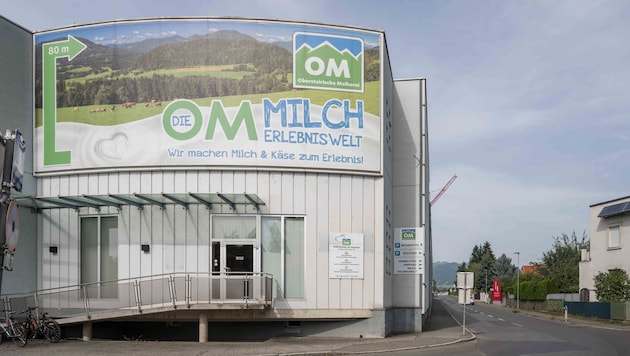

Berglandmilch, based in Wels—the state’s largest dairy—approved a merger with the dairy division of Obersteirische Molkerei (OM) at its general meeting on Friday. The vote by the cooperative members was unanimous.
 Kronen Zeitung als bevorzugte Google-Quelle hinzufügen
The merger was the only item on the agenda at the Berglandmilch general meeting held in Aschbach-Markt. Personnel changes were also announced: OM Chairman Jakob Karner was elected deputy chairman of Berglandmilch.
As previously reported, the majority (92 percent) of Styrian OM cooperative members had already approved the merger on Tuesday. Now it is up to the competition authority to approve the merger.
Tenth Cooperative Joins Largest Dairy
With recent revenue exceeding 1.3 billion euros and approximately 8,000 milk suppliers, Upper Austrian-based Berglandmilch is by far the largest dairy in Austria. It has previously been owned by nine cooperatives, of which it is an operating subsidiary. Now, OM’s dairy division is joining as the tenth cooperative. According to OM Chairman Karner, this means that aspects such as milk pickup from farmers will remain the same. In return, the Styrians will receive a roughly 10 percent stake in Berglandmilch.
The existing parent cooperatives of Berglandmilch are Schärdinger Landmolkerei, Linzer Molkerei, Milchunion Alpenvorland, Molkerei im Mostviertel, Milchverarbeitung Desserta, Bäuerliche Milchunion Kärnten, Landfrisch Molkerei, Tirol Milch, and Stainzer Milch. Under the deal, all of them will receive—indirectly through the operating subsidiary—shares in OM’s dairy facilities.
Should the competition authorities give the green light to the merger between Berglandmilch and Obersteirische Molkerei, Austria’s largest dairy will soon reach sales of 1.5 billion euros.
Market Concentration Rises
The upcoming merger will further increase market concentration among dairies. The majority of domestic dairies are operated by cooperatives and owned by dairy farmers. Since the 1990s, many cooperative milk processors have merged for cost reasons.
The wave of consolidation among cooperative dairies over the past 30 years comes as no surprise to Wifo economist Franz Sinabell. The cost savings resulting from these mergers could be passed on to dairy farmers if dairy management “does a good job,” says Sinabell. In other EU countries, commercial dairy processors hold “significant market shares” and generate billions in corporate revenue. The wave of mergers in the domestic dairy industry is being closely monitored by competition regulators. “At some point, the competition authority will put a stop to the consolidations,” Sinabell predicts. The situation is particularly critical where dairy farmers can only supply their milk to a single dairy and are therefore heavily dependent on it economically.
This article has been automatically translated,
read the original article here.










Hinweis in eigener Sache: Das krone.at-Forum präsentiert sich ab sofort in neuem Design! Wir freuen uns über konstruktives Feedback. Damit die Diskussionen in den Kommentarbereichen beim jeweiligen Thema bleiben, können Sie uns Rückmeldungen hier hinterlassen.
User-Beiträge geben nicht notwendigerweise die Meinung des Betreibers/der Redaktion bzw. von Krone Multimedia (KMM) wieder. In diesem Sinne distanziert sich die Redaktion/der Betreiber von den Inhalten in diesem Diskussionsforum. KMM behält sich insbesondere vor, gegen geltendes Recht verstoßende, den guten Sitten oder der Netiquette widersprechende bzw. dem Ansehen von KMM zuwiderlaufende Beiträge zu löschen, diesbezüglichen Schadenersatz gegenüber dem betreffenden User geltend zu machen, die Nutzer-Daten zu Zwecken der Rechtsverfolgung zu verwenden und strafrechtlich relevante Beiträge zur Anzeige zu bringen (siehe auch AGB). Hier können Sie das Community-Team via unserer Melde- und Abhilfestelle kontaktieren.