It's done
Fuel price cap to be significantly scaled back
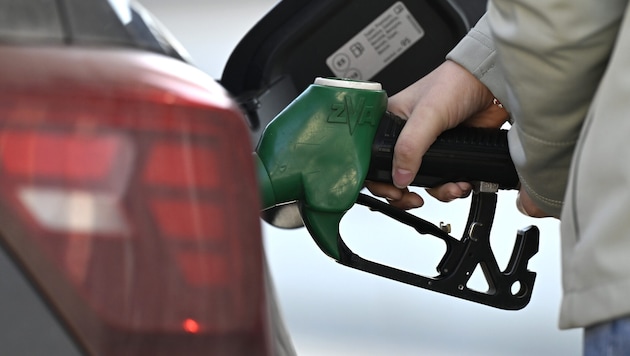

The fuel price cap has caused quite a stir within the government. There was a major clash between the parties, but they apparently managed to come to an agreement after all...
 Kronen Zeitung als bevorzugte Google-Quelle hinzufügen
 “The negotiations on the fuel price cap have not failed; the measure has been successfully extended until the end of May,” counters NEOS energy spokesperson Karin Doppelbauer. Sources within the ÖVP and SPÖ had previously stated that the negotiations had been suspended. The NEOS had walked out. Now the price cap appears to be a done deal.
Dispute over duration and scope
The new measure will run until the end of May. According to reports, the package will be phased out. Initially, 3.7 cents per liter will be subsidized; from the middle of the month, only two cents.
There had apparently been a massive clash within the coalition. At the center of the conflict was the scope and duration of the support. According to reports, the SPÖ and ÖVP had agreed on a follow-up arrangement in which both margin limits and the reduction in mineral oil tax would have been below the current five cents per liter.
However, the NEOS had insisted on a guarantee that the measure would only remain in effect through May, and not beyond. Had the disputing parties not reached an agreement, a noticeable price increase at the gas pumps would have loomed—and immediately. The old price cap expires at the end of the day.
For the Social Democrats in particular, the failure of the negotiations would be a delicate matter. On May 1, the SPÖ will take to the streets across the country to celebrate “Labor Day.”
A significant weakening of the fuel price cap would definitely not be the message they want to convey to the public. Support came on Thursday from the GPA union and the Vienna Chamber of Labor, which called for an extension of the fuel price cap.
Oil prices continue to rise
According to the SPÖ, the price cap could be phased out if the “economically liberal wings” of the ÖVP and NEOS prevail. Meanwhile, oil prices are currently surging again. The Brent price rose to over $126 at times this morning, reaching its highest level since 2022. Although prices recovered slightly during the morning, they remain extremely high ($116).
This article has been automatically translated,
read the original article here.











Willkommen in unserer Community! Eingehende Beiträge werden geprüft und anschließend veröffentlicht. Bitte achten Sie auf Einhaltung unserer Netiquette und AGB. Für ausführliche Diskussionen steht Ihnen ebenso das krone.at-Forum zur Verfügung. Hier können Sie das Community-Team via unserer Melde- und Abhilfestelle kontaktieren.
User-Beiträge geben nicht notwendigerweise die Meinung des Betreibers/der Redaktion bzw. von Krone Multimedia (KMM) wieder. In diesem Sinne distanziert sich die Redaktion/der Betreiber von den Inhalten in diesem Diskussionsforum. KMM behält sich insbesondere vor, gegen geltendes Recht verstoßende, den guten Sitten oder der Netiquette widersprechende bzw. dem Ansehen von KMM zuwiderlaufende Beiträge zu löschen, diesbezüglichen Schadenersatz gegenüber dem betreffenden User geltend zu machen, die Nutzer-Daten zu Zwecken der Rechtsverfolgung zu verwenden und strafrechtlich relevante Beiträge zur Anzeige zu bringen (siehe auch AGB). Hier können Sie das Community-Team via unserer Melde- und Abhilfestelle kontaktieren.