Free Dialect Courses
When “kumma” becomes a comma by mistake


For many immigrants, our dialect is a secret language, even if they know German. As part of a pilot project, the Integration Office of the State of Upper Austria is sponsoring free courses worth 25,000 euros. An anecdote involving “kuma” and “Koma” illustrates why this makes sense.
 Kronen Zeitung als bevorzugte Google-Quelle hinzufügen
 “We had a Bosnian nurse in the course who described the following situation to us: During a team meeting, someone told him that a new patient had been admitted to the ward. But instead of ‘kumma,’ he understood ‘Koma’ and was completely flabbergasted when he entered the room and the patient was able to speak to him. The Bosnian said, quite excitedly, that the comatose patient had woken up,” says Dominik Klinger, explaining why the local dialect often seems like a secret language to immigrants, even if they have a good command of German.

In Upper Austria, people speak two languages: German and the local dialect. If you want to join in the conversation, you have to master the colloquial language as well.
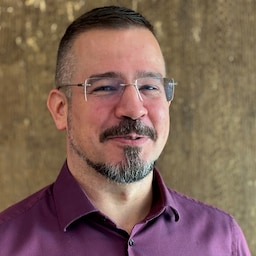
Dialekttrainer Dominik Klinger
Bild: Christoph Gantner
Klinger has been teaching the Upper Austrian dialect for seven years, including at the BFI and WIFI. Since there were no textbooks for “Upper Austrian,” he developed his own method based on the needs of the course participants to teach them our dialect. Starting this year, there’s a coursebook for this with the catchy title “Wos host g’sogt?”
Provincial Councilor Is Enthusiastic
With this initiative, Klinger strikes a chord with Christian Dörfel, the State Councilor for Integration: “Anyone who wants to live in Upper Austria must not only be able to speak German but also understand how we speak. People who want to find their way here, belong, and have a say simply can’t get around the dialect. For us, language—and that includes the dialect—is the key to integration.”
Sponsored with 25,000 euros
Dörfel is providing 25,000 euros in funding for the pilot project “Dialect for Everyone,” which offers free dialect courses for people who are new to Upper Austria. Funding will cover 111 participants through July 1, 2027. Specifically, the funding covers 40 class sessions per person as well as the coursebook. A B1 level of German proficiency is recommended for participation. The course can also be taken online; check “dialektkurs.at” for current dates.
This article has been automatically translated,
read the original article here.











Willkommen in unserer Community! Eingehende Beiträge werden geprüft und anschließend veröffentlicht. Bitte achten Sie auf Einhaltung unserer Netiquette und AGB. Für ausführliche Diskussionen steht Ihnen ebenso das krone.at-Forum zur Verfügung. Hier können Sie das Community-Team via unserer Melde- und Abhilfestelle kontaktieren.
Hinweis in eigener Sache: Das krone.at-Forum präsentiert sich ab sofort in neuem Design! Wir freuen uns über konstruktives Feedback. Damit die Diskussionen in den Kommentarbereichen beim jeweiligen Thema bleiben, können Sie uns Rückmeldungen hier hinterlassen.
User-Beiträge geben nicht notwendigerweise die Meinung des Betreibers/der Redaktion bzw. von Krone Multimedia (KMM) wieder. In diesem Sinne distanziert sich die Redaktion/der Betreiber von den Inhalten in diesem Diskussionsforum. KMM behält sich insbesondere vor, gegen geltendes Recht verstoßende, den guten Sitten oder der Netiquette widersprechende bzw. dem Ansehen von KMM zuwiderlaufende Beiträge zu löschen, diesbezüglichen Schadenersatz gegenüber dem betreffenden User geltend zu machen, die Nutzer-Daten zu Zwecken der Rechtsverfolgung zu verwenden und strafrechtlich relevante Beiträge zur Anzeige zu bringen (siehe auch AGB). Hier können Sie das Community-Team via unserer Melde- und Abhilfestelle kontaktieren.