Suspense Surrounding the EU Vote
It’s Official Now: Icelanders Say No to Brussels
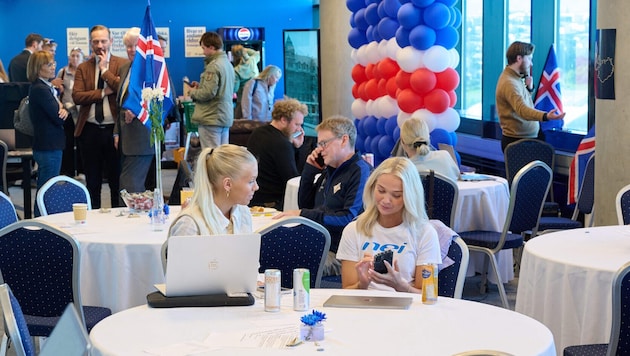

The referendum in Iceland on opening EU accession negotiations has dealt a bitter blow to Brussels. According to initial partial results, the “yes” camp was in the lead—but then the “no” camp overtook the pro-European movement...
 Kronen Zeitung als bevorzugte Google-Quelle hinzufügen
 In Iceland’s referendum on resuming accession negotiations with the European Union, the opponents prevailed. The vote count is complete. According to online tallies, “No” votes led with 52.8 percent on Sunday, ahead of the “Yes” camp, which garnered 47.2 percent. Just over 270,000 Icelanders were eligible to vote.
High Voter Turnout
The broadcaster RUV reports a strong voter turnout of 82.5 percent. Icelanders have thus dealt a stinging rebuke to the pro-European movement. Recent polls had suggested a close race.
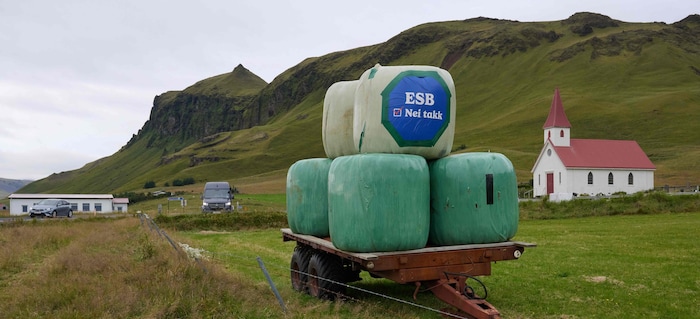
A “yes” vote would have opened the door to talks with Brussels. Iceland would have had to decide separately at a later date on actual EU accession. However, opposition to EU accession prevails, particularly in the fishing sector, which is of enormous importance to the country.

“A Great Day”
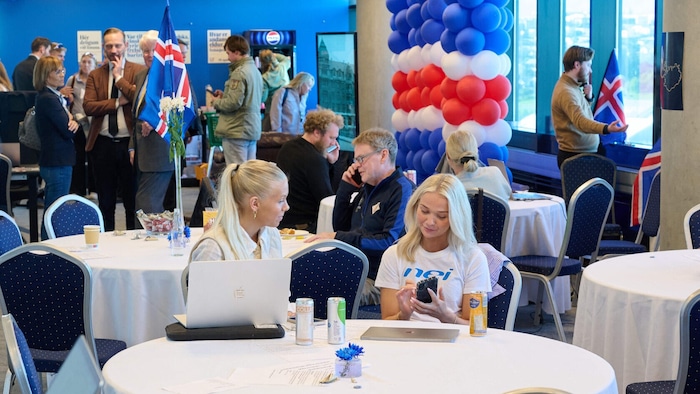
Supporters of the talks argued that membership could lower the country’s high interest rates and offer greater security in light of the war in Ukraine. Social Democratic Prime Minister Kristrún Frostadóttir had announced that she would abide by the result of the referendum.
Shortly before the referendum, Frostadóttir had described the resumption of talks on Icelandic television as “one of the most significant steps” toward reducing risks to the island.
Security as a Major Issue
In uncertain times like these, with international relations in flux, the question is whether a small country like Iceland should align itself with larger states and alliances.
“We see around us that countries in our neighborhood have been protected by the European Union.” These statements were understood primarily as an allusion to the Greenland conflict. U.S. President Donald Trump had repeatedly threatened to annex the Arctic island—which belongs to Denmark—into the United States, thereby also causing unease in Iceland.
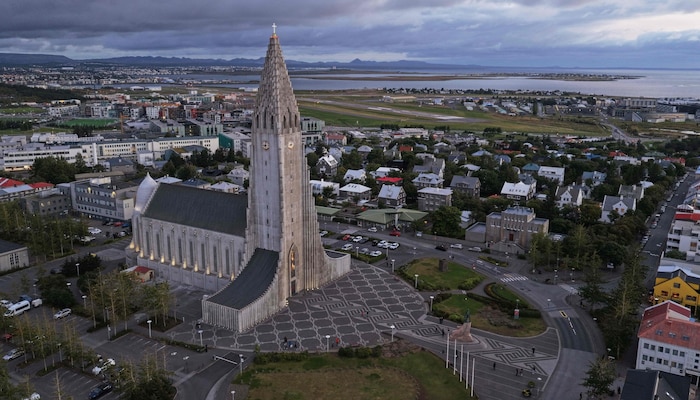
Iceland had already applied for EU membership in 2009, in the midst of a severe financial crisis, but a Euroskeptic government put the process on hold in 2013. Economically, Iceland is already deeply integrated into Europe: The country is part of the European Economic Area and enjoys the benefits of the single market—but has no say in important decisions.
Fishermen Prevail
The first round of talks on EU accession had failed primarily due to the debate over fisheries—the island’s largest and most identity-defining economic sector. Even now, serious doubts had resurfaced as to whether accession would be possible without relinquishing too many of the country’s own rights. Prime Minister Frostadóttir had promised her fellow citizens that Iceland would quickly walk away from the negotiating table if it were not allowed to retain full control over its own fisheries resources. However, the concern was now apparently too great.
This article has been automatically translated,
read the original article here.











Willkommen in unserer Community! Eingehende Beiträge werden geprüft und anschließend veröffentlicht. Bitte achten Sie auf Einhaltung unserer Netiquette und AGB. Für ausführliche Diskussionen steht Ihnen ebenso das krone.at-Forum zur Verfügung. Hier können Sie das Community-Team via unserer Melde- und Abhilfestelle kontaktieren.
Hinweis in eigener Sache: Das krone.at-Forum präsentiert sich ab sofort in neuem Design! Wir freuen uns über konstruktives Feedback. Damit die Diskussionen in den Kommentarbereichen beim jeweiligen Thema bleiben, können Sie uns Rückmeldungen hier hinterlassen.
User-Beiträge geben nicht notwendigerweise die Meinung des Betreibers/der Redaktion bzw. von Krone Multimedia (KMM) wieder. In diesem Sinne distanziert sich die Redaktion/der Betreiber von den Inhalten in diesem Diskussionsforum. KMM behält sich insbesondere vor, gegen geltendes Recht verstoßende, den guten Sitten oder der Netiquette widersprechende bzw. dem Ansehen von KMM zuwiderlaufende Beiträge zu löschen, diesbezüglichen Schadenersatz gegenüber dem betreffenden User geltend zu machen, die Nutzer-Daten zu Zwecken der Rechtsverfolgung zu verwenden und strafrechtlich relevante Beiträge zur Anzeige zu bringen (siehe auch AGB). Hier können Sie das Community-Team via unserer Melde- und Abhilfestelle kontaktieren.