End of Protected Status?
Karner wants to send Ukrainians back to the front
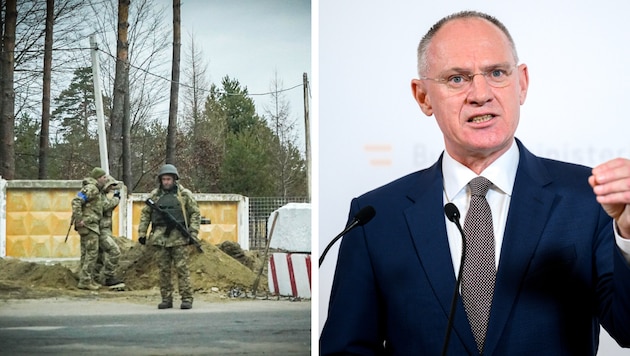


A tough stance in Luxembourg: Interior Minister Gerhard Karner (ÖVP) is causing a stir across Europe with his proposal. Automatic protection status for Ukrainian men is to be scrapped—and that could affect thousands here.
 Kronen Zeitung als bevorzugte Google-Quelle hinzufügen
 Today’s meeting of EU interior ministers is about nothing less than the future of European asylum policy. And Austria is making its position clear with a controversial demand: an end to automatic protection status for Ukrainian men of military age—by March 2027 at the latest.
Interior Minister Gerhard Karner leaves no doubt about his stance: Ukraine needs its own citizens—both for defense and for reconstruction. For Austria, this also means much-needed relief. A statement that is sparking debate across Europe.
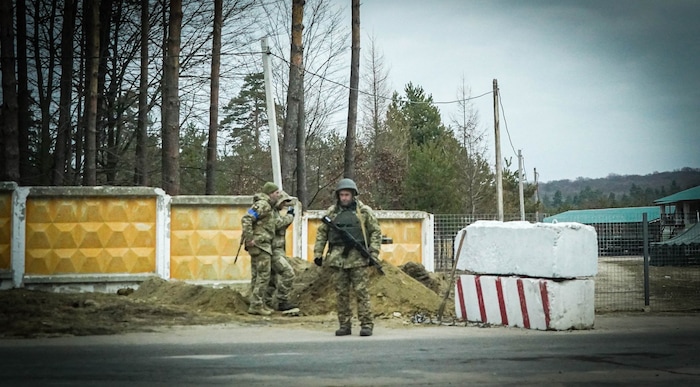
Secret plan for return centers: Europe gears up
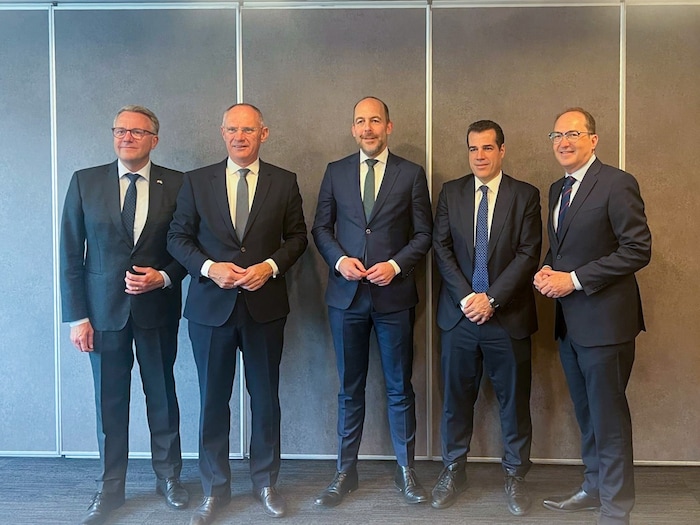
But that’s not all: At the same time, Austria is working with Denmark, the Netherlands, Greece, and Germany on a sensitive project—so-called return centers outside Europe. In the future, rejected asylum seekers are to be housed in these facilities.
The “Group of Implementers” has been pushing the project forward since the beginning of the year. The goal is to finalize specific locations by the end of the year. Which countries are being negotiated with? An ironclad silence has been agreed upon regarding this. One thing is clear: the plans could fundamentally change the European asylum system.
Stricter Rules for Ukrainian Refugees as Well
Austria also intends to take a tougher stance regarding protection for war refugees from Ukraine. The previous automatic approach—“protection for all”—is to be scrapped. Instead, there will be a more rigorous review in the future to determine who is actually eligible.
In the crosshairs: men of conscription age as well as people from regions not directly affected by the war. For them, it could become significantly more difficult to obtain protection in Austria.
Karner emphasizes that this is not only in Austria’s interest but also benefits Ukraine. Critics, however, warn against undermining the principle of protection and speak of a dangerous signal in an already tense situation.
One thing is certain: the debate over migration, repatriation, and responsibility is coming to a dramatic head. And Austria is once again playing a key role—with a course of action that will keep Europe occupied for a long time to come.
This article has been automatically translated,
read the original article here.











Liebe Leserin, lieber Leser,
die Kommentarfunktion steht Ihnen ab 6 Uhr wieder wie gewohnt zur Verfügung.
Mit freundlichen Grüßen
das krone.at-Team
User-Beiträge geben nicht notwendigerweise die Meinung des Betreibers/der Redaktion bzw. von Krone Multimedia (KMM) wieder. In diesem Sinne distanziert sich die Redaktion/der Betreiber von den Inhalten in diesem Diskussionsforum. KMM behält sich insbesondere vor, gegen geltendes Recht verstoßende, den guten Sitten oder der Netiquette widersprechende bzw. dem Ansehen von KMM zuwiderlaufende Beiträge zu löschen, diesbezüglichen Schadenersatz gegenüber dem betreffenden User geltend zu machen, die Nutzer-Daten zu Zwecken der Rechtsverfolgung zu verwenden und strafrechtlich relevante Beiträge zur Anzeige zu bringen (siehe auch AGB). Hier können Sie das Community-Team via unserer Melde- und Abhilfestelle kontaktieren.