Fear of the City
How Politicians Are Responding to Naschenweng’s “Fear” Remarks
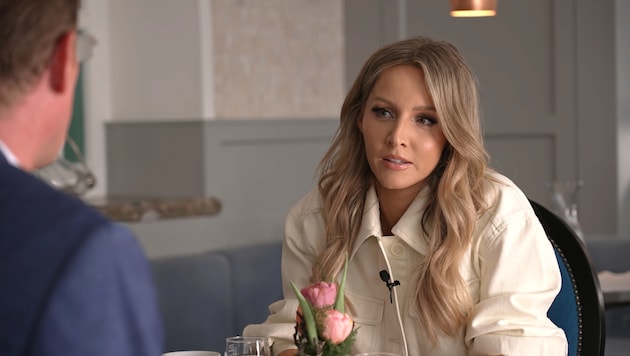



Schlager star Melissa Naschenweng feels “fear in her own country” especially in cities—like Vienna. But what do politicians have to say about this?
 Kronen Zeitung als bevorzugte Google-Quelle hinzufügen
 “I’m just scared. I don’t feel safe alone at night,” says pop star Melissa Naschenweng, when asked about the cities of Vienna, Linz, and Graz, on the “Krone” podcast “Message, Macht, Medien.”
Many Viennese feel the same way—as we reported. Time to check in with Vienna City Hall: What do politicians have to say about this?
Mayor Michael Ludwig (SPÖ):
“The safety of Vienna’s residents is very important to me, and we’re achieving this together with the Vienna Police. We support the police in their work by taking over certain tasks from them as a city—from lost and found, registration, and passport services to parking management—so they can mobilize additional resources for fighting crime or for recruiting new staff.
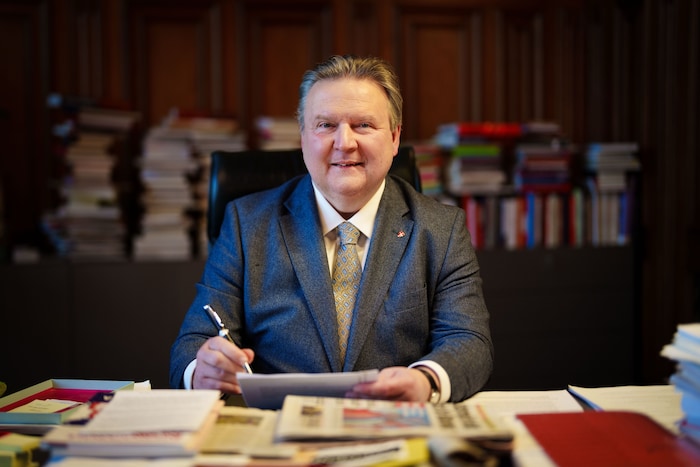
However, we also expect to see more police officers on the streets in the federal capital of Vienna, and the Ministry of the Interior must ensure this. I am also prepared to bring the police under the City of Vienna’s jurisdiction if the federal government cannot guarantee that there will be more police officers here to maintain a presence in public spaces.
Because there is much to be done. And we have already done a great deal in Vienna: from video surveillance at Reumannplatz to the safety zone on Gumpendorfer Straße, the alcohol ban at Westbahnhof and Praterstern, and the gun ban we have implemented there.
And for that reason, I am also calling for a general ban on weapons in the city.”
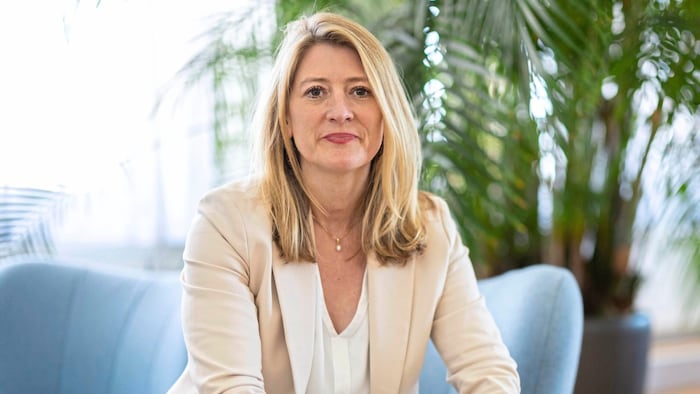
Deputy Mayor Bettina Emmerling (Neos):
“It is not my place to comment on or even judge Ms. Naschenweng’s feelings and perceptions. Regardless, the fact remains: Vienna is still one of the safest cities in the world, and I myself feel safe in this city every day. However, the sense of safety among Viennese residents is a major concern for us. That is precisely why we are focusing on areas where safety in daily life and community interaction takes root—through the work of Vienna’s youth centers, park supervision, and awareness teams—and with a clear package of measures against youth crime that starts early and extends to clear consequences.”
FPÖ leader Dominik Nepp:
“When even local TV stars and artists publicly say they no longer feel safe in Vienna or other cities, it shows very clearly how serious the situation has become. The sense of insecurity has noticeably increased in recent years and cannot simply be ignored, while the red-pink city government continues to turn a blind eye to reality.
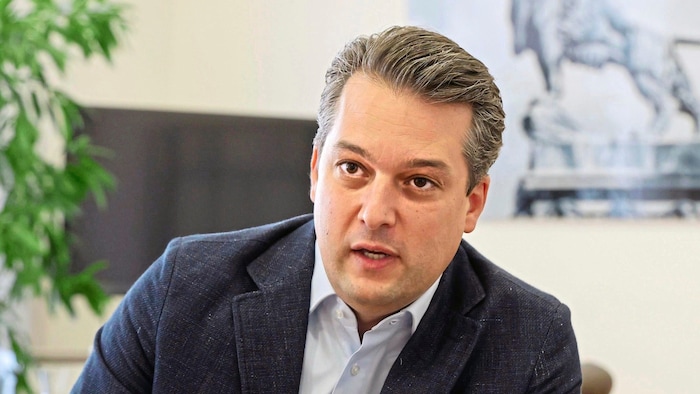
In my youth, you could still move around Vienna much more carefree and safely throughout the city. Today, my daughters and I are experiencing a different Vienna. However, there are more and more places where many Viennese no longer feel safe, especially in the evening and at night. The alarming thing is that crime is no longer limited to problem areas like Reumannplatz, Praterstern, Handelskai, or the U6 subway line. These hotspots are spreading more and more into quiet residential areas like Döbling.
First and foremost, we need a significantly greater police presence on Vienna’s streets as well as an increase in police personnel. We are calling for at least 1,500 additional police officers.”
Judith Pühringer (Greens):
“There is no place for violence and hatred in Vienna; it destroys our sense of community and our personal sense of safety. All Viennese should be able to feel safe in their city—in every district, at any time of day, and within their own four walls. Statistically, Vienna is one of the safest major cities in the world, but of course, the personal sense of safety is always what matters most. We are therefore advocating for a package of measures, such as increased police presence, the deployment of specially trained neighborhood police, and more street social work.
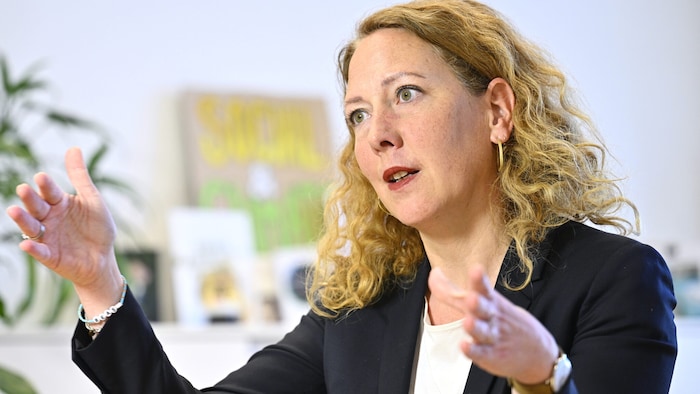
The issue of safety also touches on questions of urban planning and how to design public spaces to be safe. Poorly lit areas are avoided at night, especially by women; here, the city can take countermeasures through appropriate planning and lighting. We also advocate for a general ban on weapons throughout Vienna.”
Markus Figl (ÖVP):
“Women, young people, and the elderly in particular are increasingly reporting that they no longer feel safe at certain hotspots, in parks, or around public transportation. The main cause of this is the years-long failure of the SPÖ-Neos city government to integrate, which has led to a rise in parallel societies, a lack of German language skills, and youth crime in trouble spots.
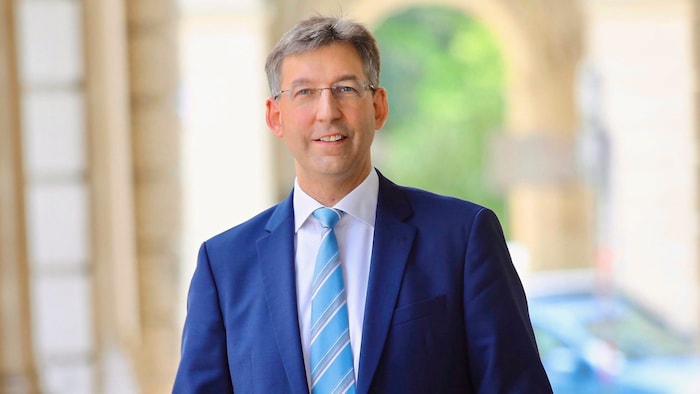
Instead of addressing problems honestly, the Red-Pink coalition has been appeasing the situation for far too long. The police are doing an excellent job, but they cannot solve the problems caused by failed integration policies on their own, which is why clear integration rules, alcohol-free zones, or a Vienna City Guard are needed to ease the burden.”
This article has been automatically translated,
read the original article here.











Willkommen in unserer Community! Eingehende Beiträge werden geprüft und anschließend veröffentlicht. Bitte achten Sie auf Einhaltung unserer Netiquette und AGB. Für ausführliche Diskussionen steht Ihnen ebenso das krone.at-Forum zur Verfügung. Hier können Sie das Community-Team via unserer Melde- und Abhilfestelle kontaktieren.
Hinweis in eigener Sache: Das krone.at-Forum präsentiert sich ab sofort in neuem Design! Wir freuen uns über konstruktives Feedback. Damit die Diskussionen in den Kommentarbereichen beim jeweiligen Thema bleiben, können Sie uns Rückmeldungen hier hinterlassen.
User-Beiträge geben nicht notwendigerweise die Meinung des Betreibers/der Redaktion bzw. von Krone Multimedia (KMM) wieder. In diesem Sinne distanziert sich die Redaktion/der Betreiber von den Inhalten in diesem Diskussionsforum. KMM behält sich insbesondere vor, gegen geltendes Recht verstoßende, den guten Sitten oder der Netiquette widersprechende bzw. dem Ansehen von KMM zuwiderlaufende Beiträge zu löschen, diesbezüglichen Schadenersatz gegenüber dem betreffenden User geltend zu machen, die Nutzer-Daten zu Zwecken der Rechtsverfolgung zu verwenden und strafrechtlich relevante Beiträge zur Anzeige zu bringen (siehe auch AGB). Hier können Sie das Community-Team via unserer Melde- und Abhilfestelle kontaktieren.