Due to climate change
Researchers in Lower Austria sound the alarm: Tropical toxin in corn
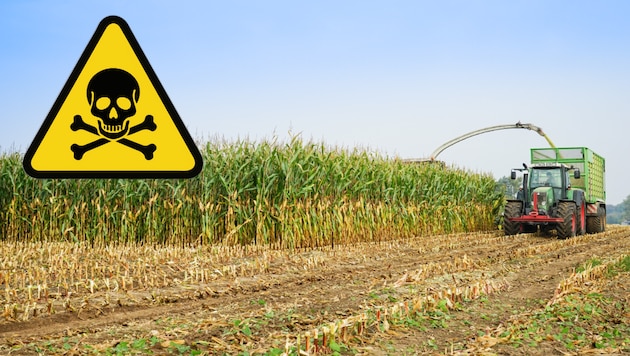

Climate change is reaching our fields: A rare fungal toxin from the tropics has now also been discovered in local corn. Researchers in Lower Austria are calling for more studies …
 Kronen Zeitung als bevorzugte Google-Quelle hinzufügen
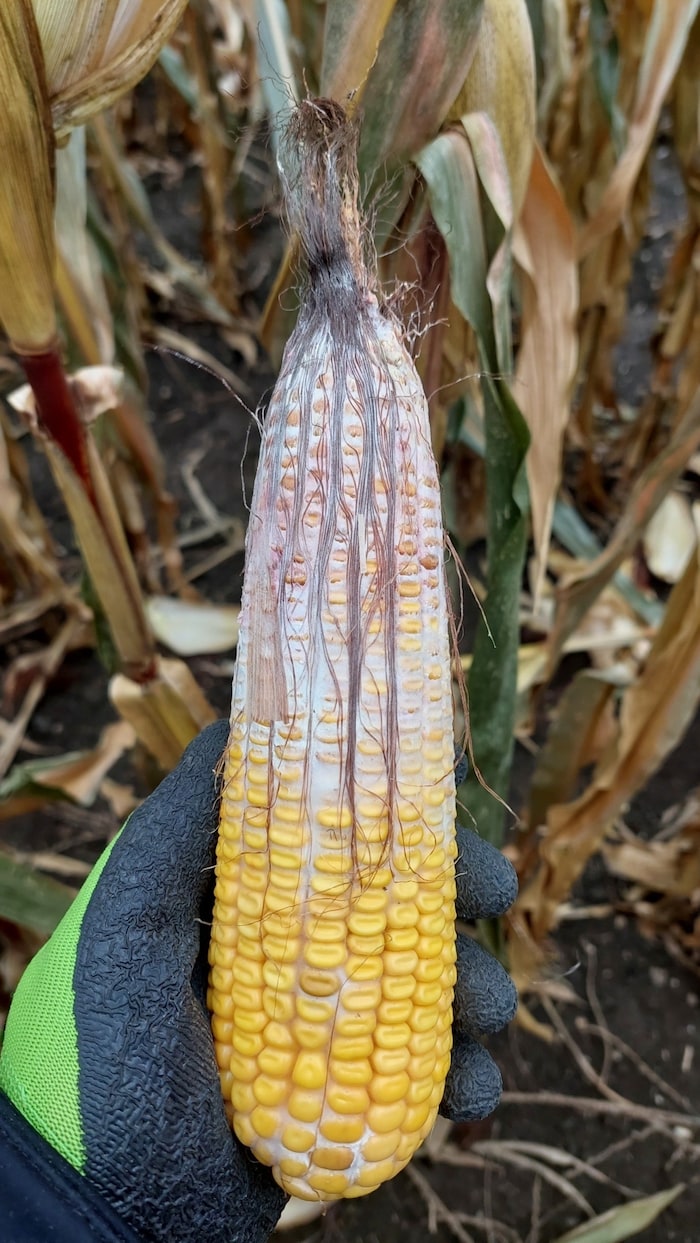
 It is a finding that demands attention: For the first time, the highly toxic mold toxin aflatoxin B1 ( ) has been detected in corn in the Tullnerfeld region (Lower Austria)—and at levels exceeding the EU limit. There is no cause for panic yet, but experts see this as a serious warning sign.
The discovery was made by researchers from the University of Natural Resources and Life Sciences, Vienna, at the Tulln site as part of a long-term project. The focus was actually on a completely different goal, but then the nasty surprise suddenly turned up.
“When we were notified of the findings, we were quite surprised. We could hardly believe it and repeated the measurements,” reports chemist Dr. Stephan Freitag.
An “African problem” that is drawing closer
Aflatoxin B1 is one of the most potent naturally occurring toxins and is produced by molds that thrive in warm, dry conditions—conditions that are becoming increasingly common in eastern Austria. Experts see this as a potential link to climate change. Particularly alarming: even a small dose can trigger liver cancer—a bitter reality in parts of Africa for quite some time now!
It is still unclear how widespread the problem actually is in this country. There have been isolated reports, but comprehensive data is lacking. Freitag emphasizes: “The specific risk is difficult to assess—we need more studies and, above all, more monitoring.”

In any case, this mold toxin is more toxic than the pesticides used in Austria. However, the specific risk is still difficult to assess.

Dr. Stephan Freitag, BOKU Wien
Bild: www.primephoto.at
calls for more inspections of local fieldsFor scientists, the discovery is one thing above all: a sign to take a closer look. In the future, there will be increased research into how frequently such toxins occur in local crops and which regions might be particularly affected.
The message is clear: no immediate danger, but a health-related issue that should be monitored. As temperatures rise, risks that have been rare in Austria could become more common.
This article has been automatically translated,
read the original article here.











Willkommen in unserer Community! Eingehende Beiträge werden geprüft und anschließend veröffentlicht. Bitte achten Sie auf Einhaltung unserer Netiquette und AGB. Für ausführliche Diskussionen steht Ihnen ebenso das krone.at-Forum zur Verfügung. Hier können Sie das Community-Team via unserer Melde- und Abhilfestelle kontaktieren.
Hinweis in eigener Sache: Das krone.at-Forum präsentiert sich ab sofort in neuem Design! Wir freuen uns über konstruktives Feedback. Damit die Diskussionen in den Kommentarbereichen beim jeweiligen Thema bleiben, können Sie uns Rückmeldungen hier hinterlassen.
User-Beiträge geben nicht notwendigerweise die Meinung des Betreibers/der Redaktion bzw. von Krone Multimedia (KMM) wieder. In diesem Sinne distanziert sich die Redaktion/der Betreiber von den Inhalten in diesem Diskussionsforum. KMM behält sich insbesondere vor, gegen geltendes Recht verstoßende, den guten Sitten oder der Netiquette widersprechende bzw. dem Ansehen von KMM zuwiderlaufende Beiträge zu löschen, diesbezüglichen Schadenersatz gegenüber dem betreffenden User geltend zu machen, die Nutzer-Daten zu Zwecken der Rechtsverfolgung zu verwenden und strafrechtlich relevante Beiträge zur Anzeige zu bringen (siehe auch AGB). Hier können Sie das Community-Team via unserer Melde- und Abhilfestelle kontaktieren.