In just two years:
The metal industry is moving away, 10,000 jobs lost!
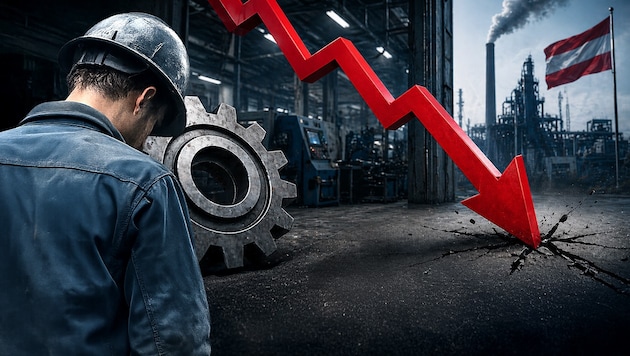

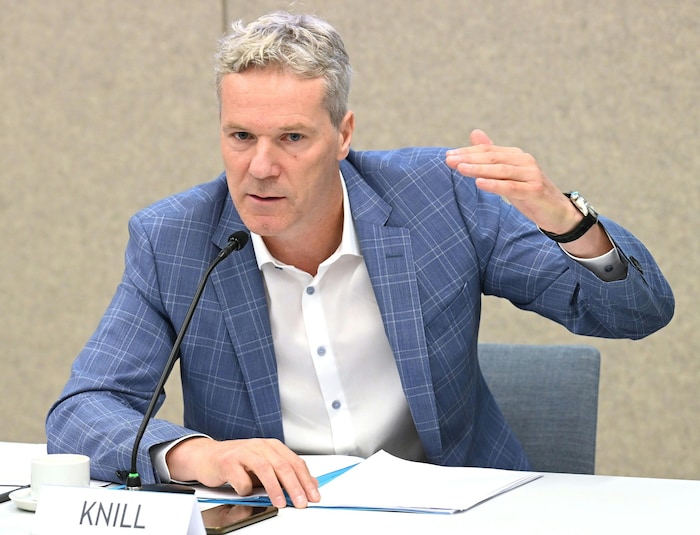
Christian Knill, national spokesperson for Austria’s largest industrial sector, the metalworking industry, is sounding the alarm: The industry has cut over 10,000 jobs in two years. According to a recent survey, four out of ten companies plan to cut more jobs. While many firms do want to create new jobs—they intend to do so abroad. The result: Austria faces the threat of deindustrialization.
 Kronen Zeitung als bevorzugte Google-Quelle hinzufügen
 Over the past two years, the metalworking industry, which generates a production value of 47 billion euros, has cut more than 10,000 jobs, 4,700 of them in the past year alone. “On top of that, there were another 3,000 to 4,000 temporary workers,” says Knill. As a result, the industry—which includes leading companies such as Doppelmayr, Engel, Rosendahl, Otto Bock, Hörbiger, and Palfinger—is faltering as a job engine (see chart). Knill: “From 2000 to 2023, we increased employment by over 22 percent, despite automation and rising labor costs. But in the last two years, there has been a downward trend.”
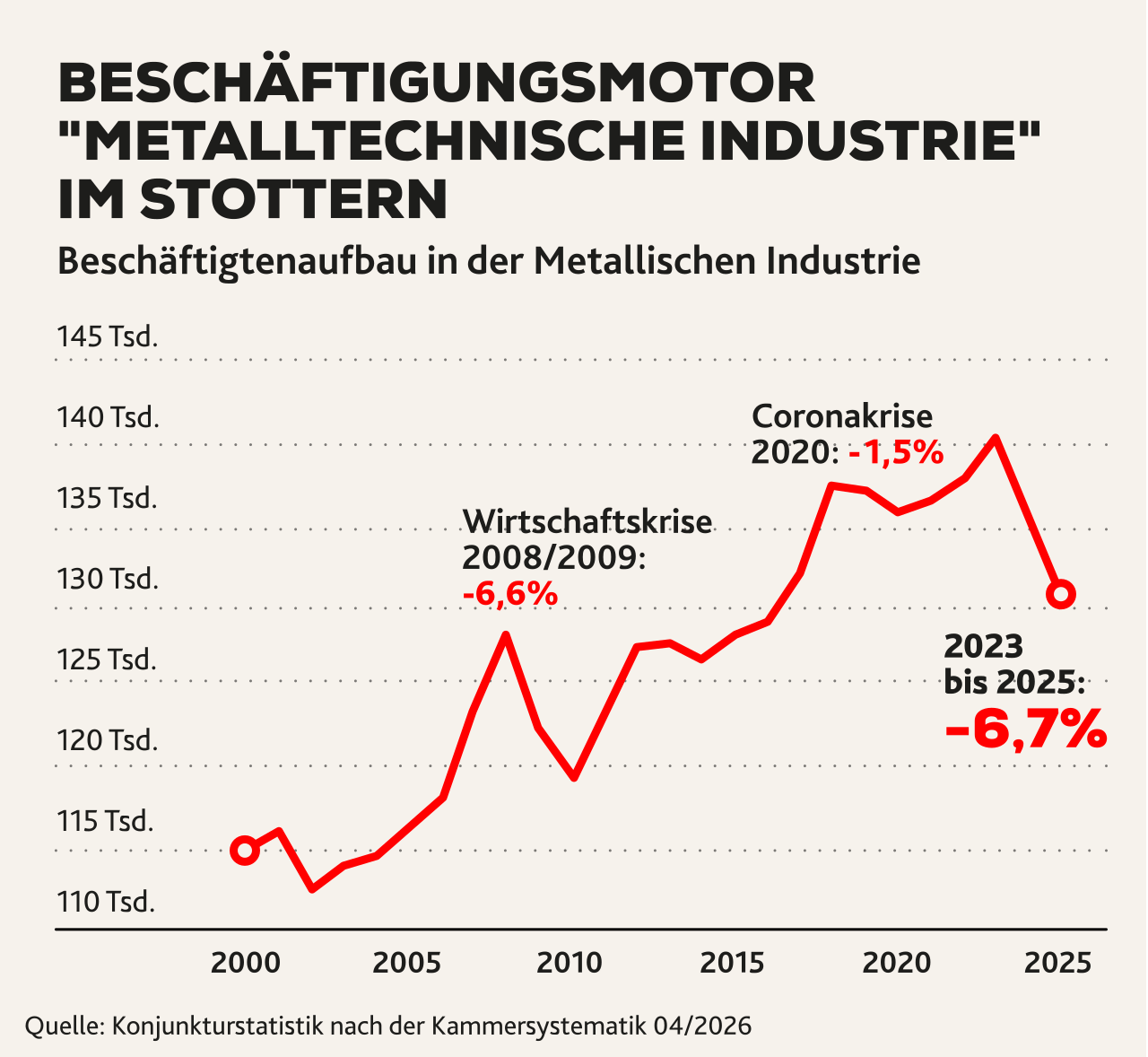
In total, the metalworking industry currently still employs around 130,000 people here. But that could change soon. Knill: “We’re seeing that companies with the option to produce elsewhere are scaling back operations here in Austria and shifting production to other countries where the cost structure is more favorable.” Relocation is primarily occurring to Eastern European countries such as Romania. Knill warns: “Ultimately, this leads to the deindustrialization of Austria. We must do everything in our power to prevent this and put a stop to it so that this trend does not continue.”
Job cuts at home, job creation abroad
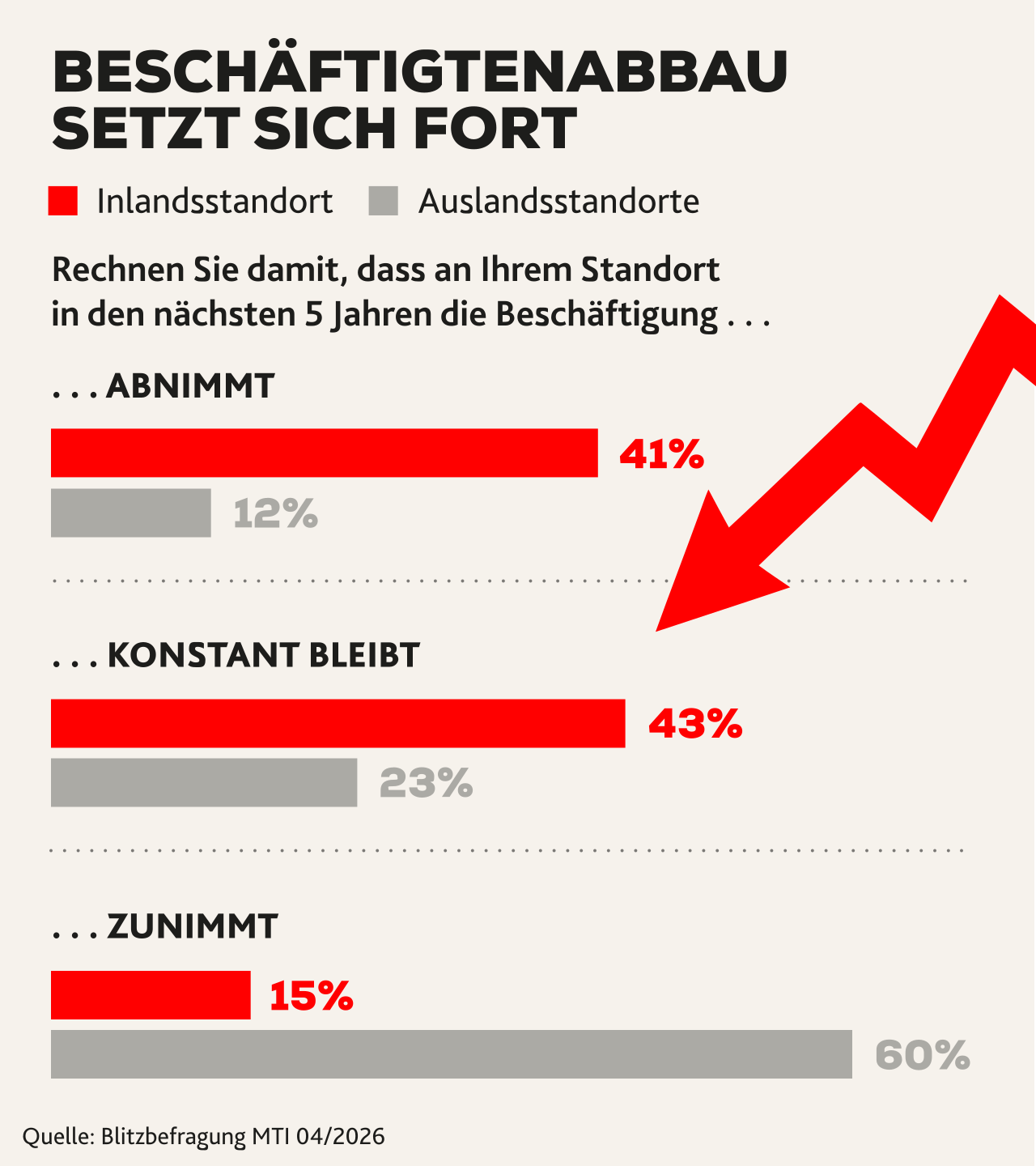
However, a new survey paints a grim picture: 41 percent of companies say they will cut jobs domestically over the next five years. Only 15 percent expect to increase employment. The picture is quite different among companies with locations abroad: 60 percent of them plan to create new jobs there (see chart).
Companies in the metalworking industry are also currently cutting back on costs when it comes to training the next generation. Knill: “The number of new apprentices in our sector has dropped by about 16 percent between 2023 and 2025. That is an alarming sign. Due to a lack of future prospects, some companies are cutting back on apprentice training.” According to the survey, 13 percent of companies plan to further reduce the number of new apprentices over the next three years.
Still, the industry spokesperson also sees positive developments in labor costs: The two-year collective bargaining agreement from last year provides for an increase in actual wages of just 1.9 percent and in collectively agreed wages of 2.1 percent this November. Knill: “This is most likely lower than inflation, which is currently forecast at 2.7 percent. Thus, our collective agreement helps curb inflation.” For companies, this means less financial strain and slightly improved competitiveness.
According to Knill, the 2027/2028 dual budget, the outlines of which were presented on Monday, also gives cause for hope that the situation may still improve. The reduction in non-wage labor costs, which is set to take effect in 2028, is “a good first step.” The government’s industrial strategy is also “not bad, with 117 measures. What’s important is that it gets implemented!”
This article has been automatically translated,
read the original article here.











Liebe Leserin, lieber Leser,
die Kommentarfunktion steht Ihnen ab 6 Uhr wieder wie gewohnt zur Verfügung.
Mit freundlichen Grüßen
das krone.at-Team
User-Beiträge geben nicht notwendigerweise die Meinung des Betreibers/der Redaktion bzw. von Krone Multimedia (KMM) wieder. In diesem Sinne distanziert sich die Redaktion/der Betreiber von den Inhalten in diesem Diskussionsforum. KMM behält sich insbesondere vor, gegen geltendes Recht verstoßende, den guten Sitten oder der Netiquette widersprechende bzw. dem Ansehen von KMM zuwiderlaufende Beiträge zu löschen, diesbezüglichen Schadenersatz gegenüber dem betreffenden User geltend zu machen, die Nutzer-Daten zu Zwecken der Rechtsverfolgung zu verwenden und strafrechtlich relevante Beiträge zur Anzeige zu bringen (siehe auch AGB). Hier können Sie das Community-Team via unserer Melde- und Abhilfestelle kontaktieren.