Sex toys and more
Temu Improves Safety Measures Following Lawsuit from Austria
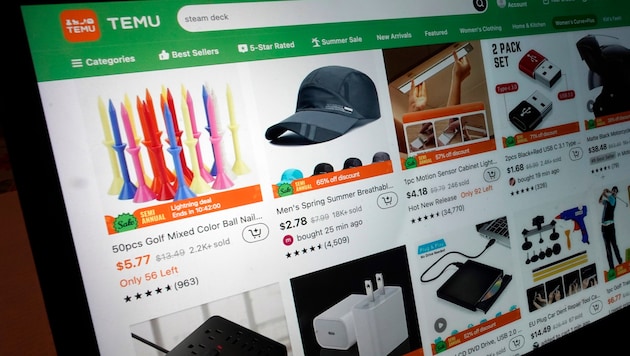

A consumer protection lawsuit leads to binding rules: Age verification and clear information will be mandatory for the online giant Temu in the future. “The platform is being held accountable when it comes to protecting children,” says Ulrike Königsberger-Ludwig, the responsible SPÖ State Secretary, with satisfaction.
 Kronen Zeitung als bevorzugte Google-Quelle hinzufügen
 The pressure from Vienna is having an effect—and on one of the world’s largest online marketplaces, no less. Following a lawsuit filed by the Association for Consumer Information (VKI) on behalf of the SPÖ Ministry of Social Affairs, the Temu platform has committed to far-reaching changes in a court settlement. The deal has been legally binding since Friday—and since then, it has sent a clear signal regarding how to deal with international online giants. At the heart of this is a clear message from policymakers: Anyone doing business in Europe must also abide by the rules.

SPÖ State Secretary Ulrike Königsberger-Ludwig puts it unequivocally: “This federal government adheres to a simple principle: Those who cheat lose—and those who work honestly can count on a strong state. Platforms can no longer cherry-pick the parts of regulation that suit them.” Specifically, the settlement brings several tangible changes for users.
Personalization
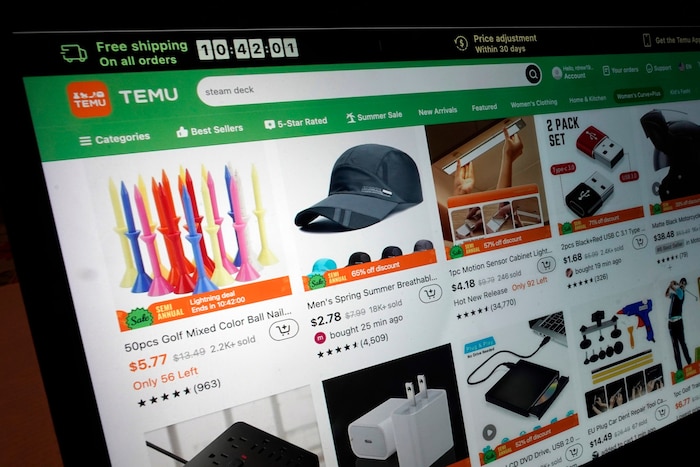
A particular focus: the protection of minors. In the future, age verification must be enforced when it comes to sensitive product categories—from adult products to potentially dangerous items such as knives or crossbows. This will hold the platform more accountable in the future, especially when it comes to children and adolescents. Temu is also tightening the reins on personalization—or rather, putting control in the hands of users themselves.
Algorithms can be deselected
Recommendation algorithms, which have largely operated in the background until now, are to become controllable. Users can specifically turn off personalized suggestions or deactivate them with a single click. This is a step that at least somewhat relativizes the much-discussed power of algorithms.
The new transparency requirement goes even further: Temu must disclose how recommendations are generated. What data is used? Which factors carry more weight? And why does a product end up at the top of the list? These questions must be answered in a clear and understandable way—accessible directly where the decisions are visible: namely, on the platform itself.
This article has been automatically translated,
read the original article here.











Willkommen in unserer Community! Eingehende Beiträge werden geprüft und anschließend veröffentlicht. Bitte achten Sie auf Einhaltung unserer Netiquette und AGB. Für ausführliche Diskussionen steht Ihnen ebenso das krone.at-Forum zur Verfügung. Hier können Sie das Community-Team via unserer Melde- und Abhilfestelle kontaktieren.
User-Beiträge geben nicht notwendigerweise die Meinung des Betreibers/der Redaktion bzw. von Krone Multimedia (KMM) wieder. In diesem Sinne distanziert sich die Redaktion/der Betreiber von den Inhalten in diesem Diskussionsforum. KMM behält sich insbesondere vor, gegen geltendes Recht verstoßende, den guten Sitten oder der Netiquette widersprechende bzw. dem Ansehen von KMM zuwiderlaufende Beiträge zu löschen, diesbezüglichen Schadenersatz gegenüber dem betreffenden User geltend zu machen, die Nutzer-Daten zu Zwecken der Rechtsverfolgung zu verwenden und strafrechtlich relevante Beiträge zur Anzeige zu bringen (siehe auch AGB). Hier können Sie das Community-Team via unserer Melde- und Abhilfestelle kontaktieren.