Fiscal Council Causes Trouble
Political Dispute Over Gas Prices and Commuter Allowance
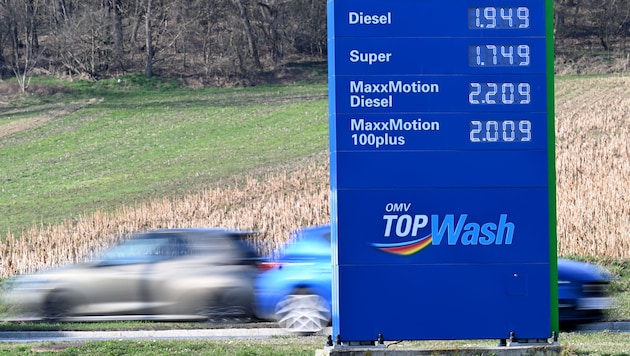

The debate over high fuel prices and possible measures to address them continues to spark political controversy on multiple levels. Recently, the Fiscal Council’s proposal to abolish climate-damaging subsidies such as the commuter allowance and the commuter euro has caused a stir. Upper Austria’s Thomas Stelzer sharply rejects this demand.
 Kronen Zeitung als bevorzugte Google-Quelle hinzufügen
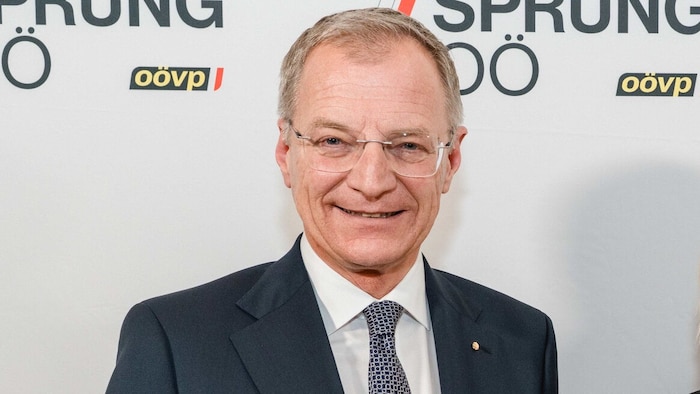
 Stelzer finds it baffling that the Fiscal Council is once again proposing the abolition of the commuter allowance in the very week that gas prices are rising to two euros. “People who get up early to go to work shouldn’t be burdened further. Calls for abolition completely ignore the reality of life for many working people.”
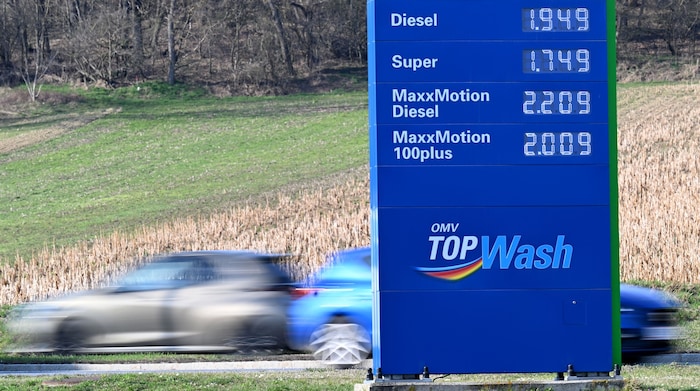
Rising energy prices resulting from the war in the Middle East are being felt at the gas pumps. In Stelzer’s view, cutting commuter subsidies would be counterproductive and would hit precisely those who go to work every day and often have no alternative to driving.
Laut aktueller Lohnsteuerstatistik (2024) profitieren in Österreich rund 456.000 Menschen von der Pendlerpauschale. Besonders viele Pendler gibt es in großen Flächenbundesländern, allen voran Niederösterreich (143.778), Oberösterreich (105.247) und die Steiermark (72.061). Schätzungen zeigen zudem, dass sich die Ausgaben für Autofahren pro Haushalt in Oberösterreich seit 2019 um durchschnittlich 63,40 Euro pro Monat erhöht haben. Das entspricht rund 760 Euro Mehrkosten pro Haushalt und Jahr.
OMV CEO Alfred Stern sees tax cuts as the only solution to high fuel prices. He rejects government intervention in the market on Ö1’s “Journal zu Gast.” Stern attributed the spiraling costs to an international shortage resulting from the war in Iran. Currently, about 20 percent of oil and 10 percent of fuel are missing from the global market. To bring the necessary quantities to Austria, OMV must pay competitive prices on the Rotterdam stock exchange.

Those unwilling to pay the high prices will have to walk.
OMV-Chef Alfred Stern
Stern rejected the accusation that OMV was making a “killing” at the expense of its customers and pointed to the massive government revenues. At a price of 1.70 euros per liter of premium gasoline, 90 cents would go toward taxes and duties alone. Of the remaining 80 cents, 55 cents would have to cover the pure cost of the oil.
Accordingly, OMV would have only 25 cents left to procure crude oil worldwide, “in our case to transport it to Trieste in Italy, pump it through the 400-km-long pipeline to Schwechat, maintain and operate our refinery in Schwechat, and also operate and stock the gas stations,” said the CEO.
This article has been automatically translated,
read the original article here.











Willkommen in unserer Community! Eingehende Beiträge werden geprüft und anschließend veröffentlicht. Bitte achten Sie auf Einhaltung unserer Netiquette und AGB. Für ausführliche Diskussionen steht Ihnen ebenso das krone.at-Forum zur Verfügung. Hier können Sie das Community-Team via unserer Melde- und Abhilfestelle kontaktieren.
Hinweis in eigener Sache: Das krone.at-Forum präsentiert sich ab sofort in neuem Design! Wir freuen uns über konstruktives Feedback. Damit die Diskussionen in den Kommentarbereichen beim jeweiligen Thema bleiben, können Sie uns Rückmeldungen hier hinterlassen.
User-Beiträge geben nicht notwendigerweise die Meinung des Betreibers/der Redaktion bzw. von Krone Multimedia (KMM) wieder. In diesem Sinne distanziert sich die Redaktion/der Betreiber von den Inhalten in diesem Diskussionsforum. KMM behält sich insbesondere vor, gegen geltendes Recht verstoßende, den guten Sitten oder der Netiquette widersprechende bzw. dem Ansehen von KMM zuwiderlaufende Beiträge zu löschen, diesbezüglichen Schadenersatz gegenüber dem betreffenden User geltend zu machen, die Nutzer-Daten zu Zwecken der Rechtsverfolgung zu verwenden und strafrechtlich relevante Beiträge zur Anzeige zu bringen (siehe auch AGB). Hier können Sie das Community-Team via unserer Melde- und Abhilfestelle kontaktieren.