Despite the price cap
The drought could make our groceries more expensive again
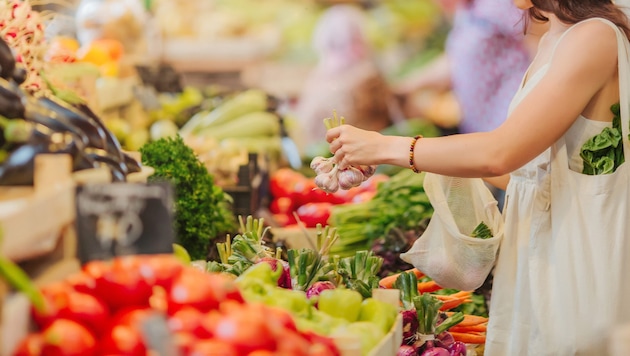


The federal government’s tax break could melt away in the summer heat before it even reaches consumers’ wallets. Due to the drought and looming crop failures, potatoes and corn, among other items, could become scarce, and tropical fruits, coffee, and tea could soon become more expensive.
 Kronen Zeitung als bevorzugte Google-Quelle hinzufügen
 For the past month, Austrians have been shopping at lower prices—at least on paper. On July 1, the coalition lowered the value-added tax on staple foods such as bread, butter, eggs, and vegetables from 10 to 4.9 percent. But crop losses could lead to new price increases and put politicians under renewed pressure.
Massive Shortfalls in Potatoes, Beets, and Corn
“Even the grain harvest is, on average, 20 percent lower than usual—and on some farms, as much as 50 to 70 percent lower,” explains Ferdinand Lembacher, secretary general of the Chamber of Agriculture. “Either the shortfalls in these products will be offset by international corporations, or prices will have to be adjusted,” the Chamber fears.
The Chamber describes this as one of the weakest harvests of the past ten years. An even worse situation is looming for the fall crops. For potatoes, beets, onions, and corn, Austria faces losses “unprecedented in history.”
“The coming weeks will be decisive”—this remains true even now
But there are still reserves. “At the moment, I don’t expect any price increases for bread and pastries,” says Josef Domschitz, deputy managing director of the Food Industry Association. However, he echoes the phrase made famous by former Health Minister Rudi Anschober during the pandemic: “The next few weeks will be decisive.”
Coffee and tropical fruits could become more expensive
In addition, the association head points out the dependence on raw materials for foods that are not subject to price reductions. “I’m thinking of tropical fruits, coffee, tea, or spices. These, too, are in part subject to dramatic weather fluctuations,” adds Domschitz.
The government’s flagship project was intended to save households an average of about 100 euros per year. As early as this spring, the Greens and the FPÖ had expressed doubts that retailers would pass on the price reduction at all. If the harvest dries up and prices climb, Finance Minister Markus Marterbauer’s relief measure would finally come under serious pressure.
This article has been automatically translated,
read the original article here.











Willkommen in unserer Community! Eingehende Beiträge werden geprüft und anschließend veröffentlicht. Bitte achten Sie auf Einhaltung unserer Netiquette und AGB. Für ausführliche Diskussionen steht Ihnen ebenso das krone.at-Forum zur Verfügung. Hier können Sie das Community-Team via unserer Melde- und Abhilfestelle kontaktieren.
User-Beiträge geben nicht notwendigerweise die Meinung des Betreibers/der Redaktion bzw. von Krone Multimedia (KMM) wieder. In diesem Sinne distanziert sich die Redaktion/der Betreiber von den Inhalten in diesem Diskussionsforum. KMM behält sich insbesondere vor, gegen geltendes Recht verstoßende, den guten Sitten oder der Netiquette widersprechende bzw. dem Ansehen von KMM zuwiderlaufende Beiträge zu löschen, diesbezüglichen Schadenersatz gegenüber dem betreffenden User geltend zu machen, die Nutzer-Daten zu Zwecken der Rechtsverfolgung zu verwenden und strafrechtlich relevante Beiträge zur Anzeige zu bringen (siehe auch AGB). Hier können Sie das Community-Team via unserer Melde- und Abhilfestelle kontaktieren.