A fine of thousands of euros
Why You Shouldn’t Just Kill Wasps and Other Insects
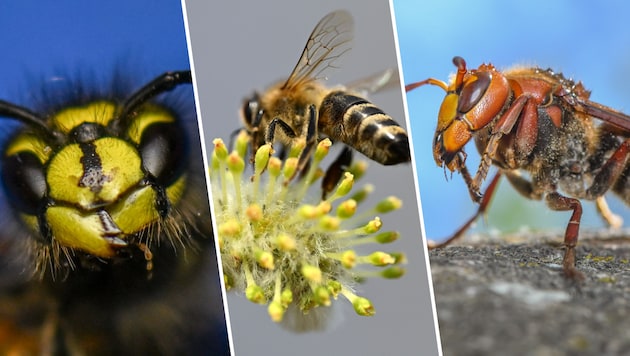

Summer and sunshine bring joy—and also attract insects. Experts are predicting a good year for bees and a summer with plenty of wasps. For people with allergies, this means extra caution: Even a single sting can trigger severe, sometimes life-threatening reactions. But be warned: The senseless killing of wasps and bees is subject to heavy fines!
 Kronen Zeitung als bevorzugte Google-Quelle hinzufügen
 In Austria, the arbitrary or senseless killing of wasps and bees is strictly regulated by law. Since nature conservation matters in Austria are the responsibility of the federal states, there is no uniform federal law; instead, each of the nine federal states has its own nature conservation laws and species protection ordinances.
Fines Vary by State
Anyone who kills bees, wasps, or hornets without a reasonable cause or destroys protected nests may be committing an administrative offense. The amount of the potential fine depends on the state, the species’ protection status, and the specific action taken.
Under the Animal Welfare Act, which applies throughout Austria, killing an animal without a reasonable cause can be punished with a fine of up to 7,500 euros. In the case of a repeat offense, fines of up to 15,000 euros are possible. Additionally, fines may be imposed under the nature conservation laws of the federal states.
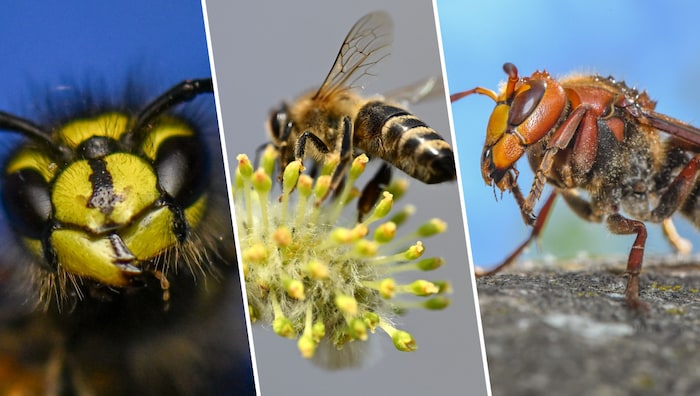
Depending on the federal state and the specific circumstances, fines of several thousand euros may be imposed. For example, anyone in Vienna who kills protected animals or destroys their breeding or resting sites risks a fine of up to 21,000 euros—and in the case of a repeat offense, the fine can be as high as 35,000 euros. Killing unprotected animals is also a criminal offense. In Styria, violations of the Nature Conservation Act and the species protection regulations based on it can be punished with fines of up to 30,000 euros.
- Das Tierschutzgesetz gilt für alle Tiere und damit auch für Insekten. Tiere dürfen nicht ohne vernünftigen Grund getötet werden. Ebenso ist es verboten, ihnen ungerechtfertigt Schmerzen, Leiden oder Schäden zuzufügen. Maßnahmen zur fachgerechten Schädlingsbekämpfung sind nur dann vom Verbot der Tierquälerei ausgenommen, wenn sie tatsächlich unerlässlich sind.
- Ist eine Tötung im Einzelfall rechtlich gerechtfertigt, muss sie so erfolgen, dass ungerechtfertigte Schmerzen, Leiden, Schäden und schwere Angst vermieden werden. Zudem darf sie nur von einer Person vorgenommen werden, die über die notwendigen Kenntnisse und Fähigkeiten verfügt.
- Wer ein Tier entgegen dem Tierschutzgesetz tötet oder ihm ungerechtfertigt Leiden zufügt, riskiert eine Verwaltungsstrafe von bis zu 7500 Euro. Im Wiederholungsfall sind bis zu 15.000 Euro möglich. Zusätzlich können Strafen nach dem jeweiligen Naturschutzrecht des Bundeslandes verhängt werden.
(Wild) Bees and Bumblebees
When it comes to bees, a distinction must be made between honeybees and wild bees. Honeybees and their hives may be the property of a beekeeper. Anyone who intentionally destroys another person’s bee colony therefore risks not only violations of animal welfare and nature conservation laws but also claims for damages—and, under certain circumstances, criminal charges for property damage.
Bumblebees are also classified as wild bees. Their protection status is not uniform throughout Austria but is governed by the nature conservation laws of the federal states. Certain species or groups of species may not be killed or captured, and their nests may also be protected. Wild bee nests may not be destroyed simply because the insects have settled in a house wall, a roller shutter box, or in the ground.
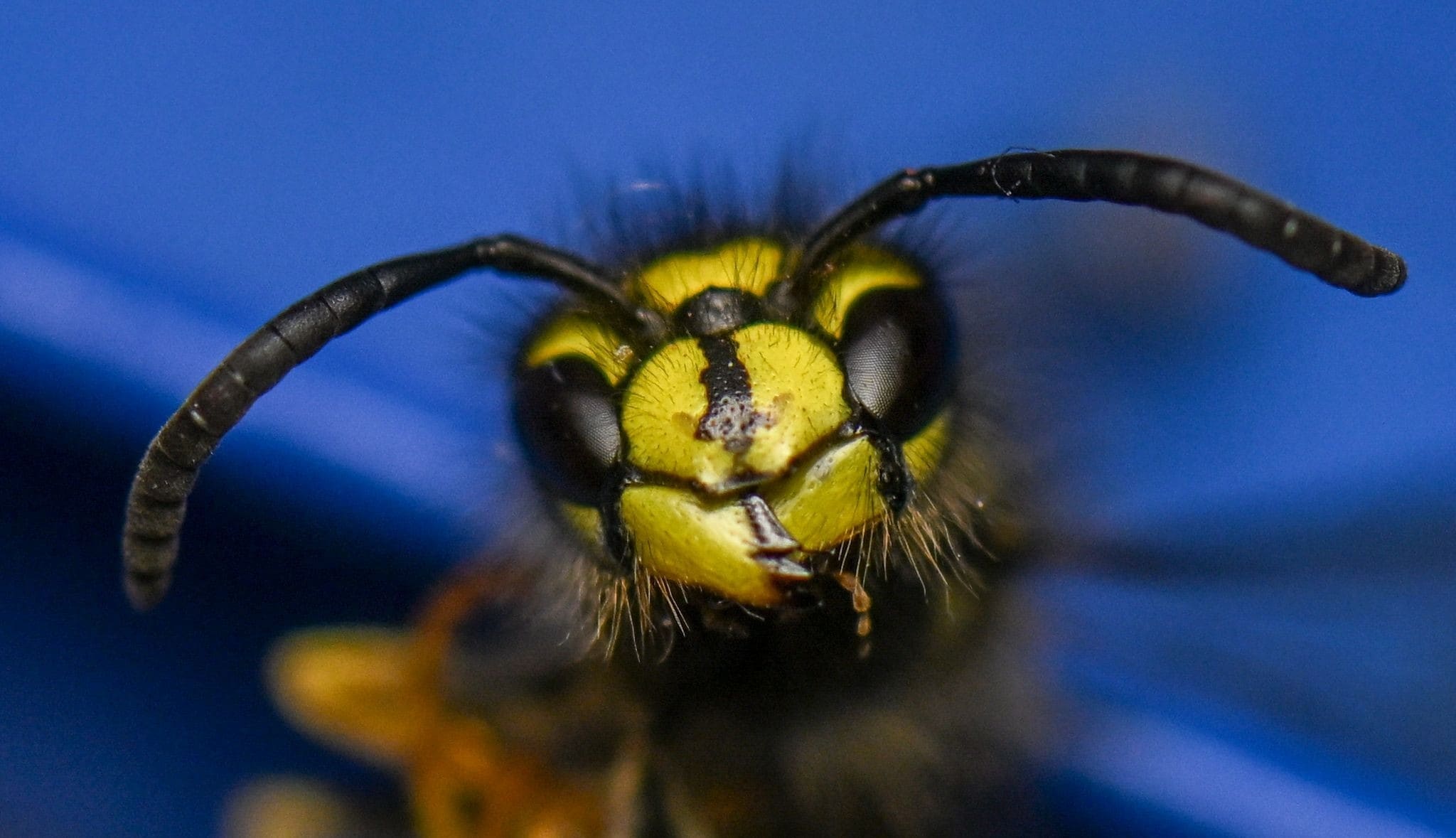
Pictures of wasps, hornets, bumblebees, and bees:
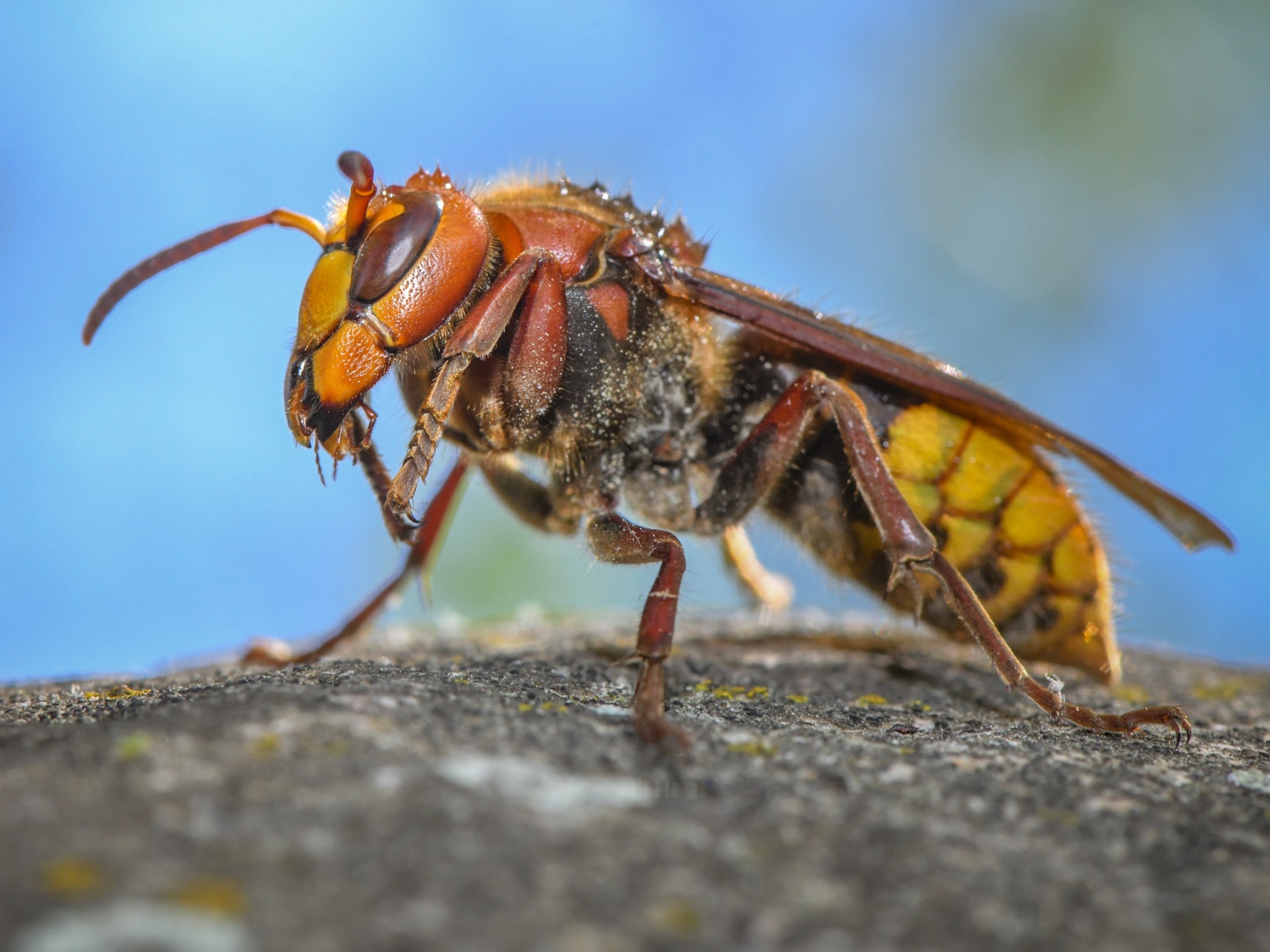
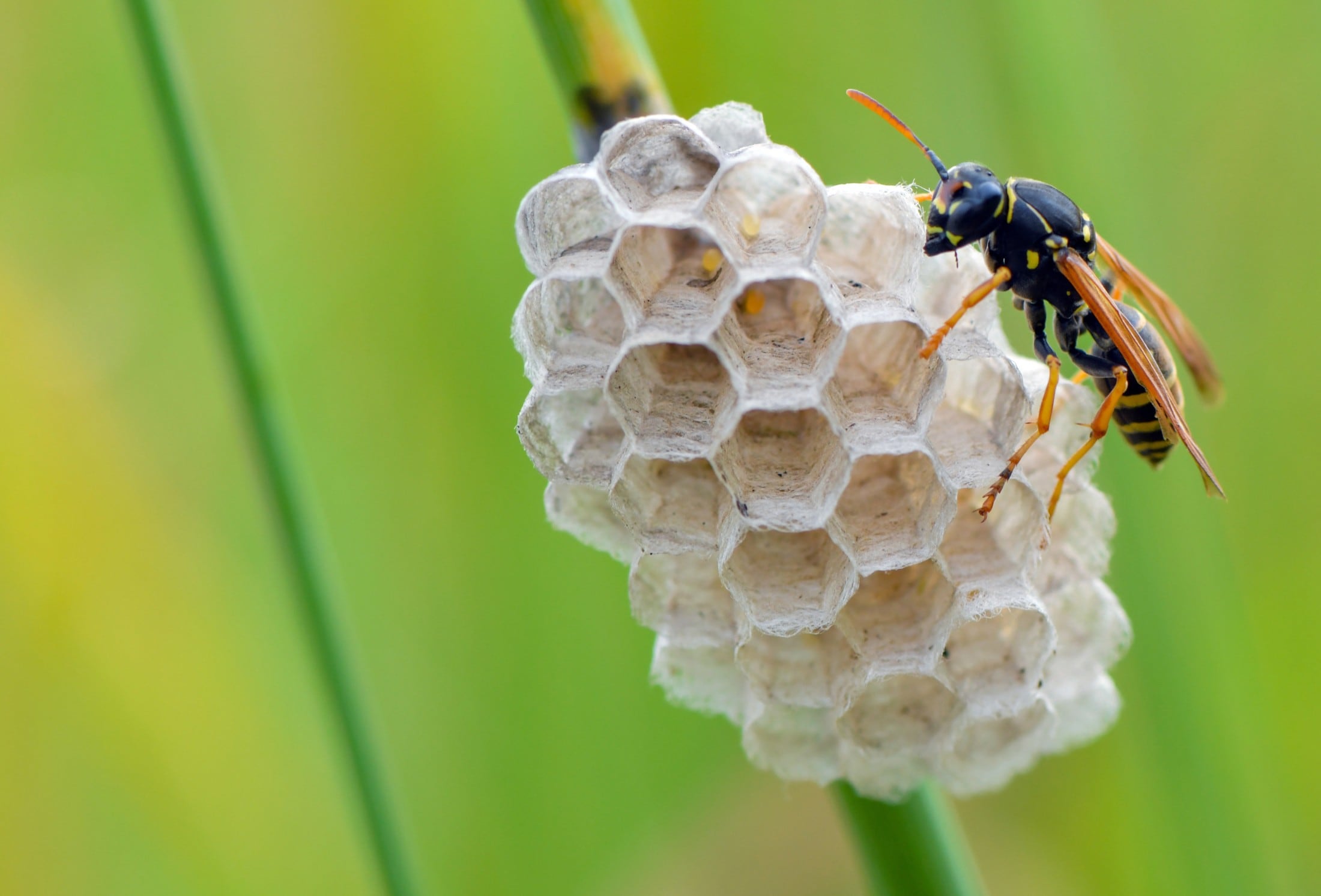
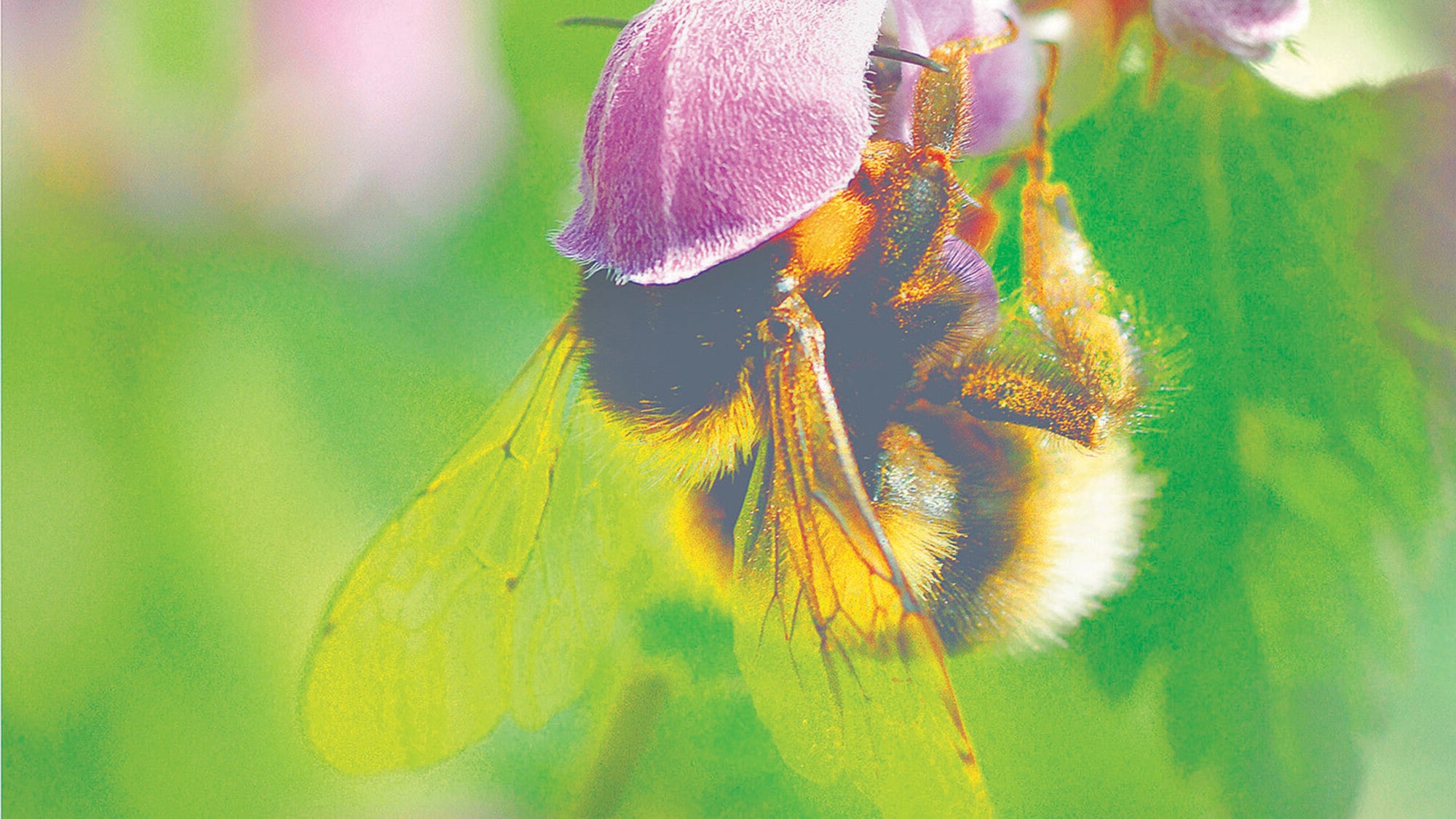
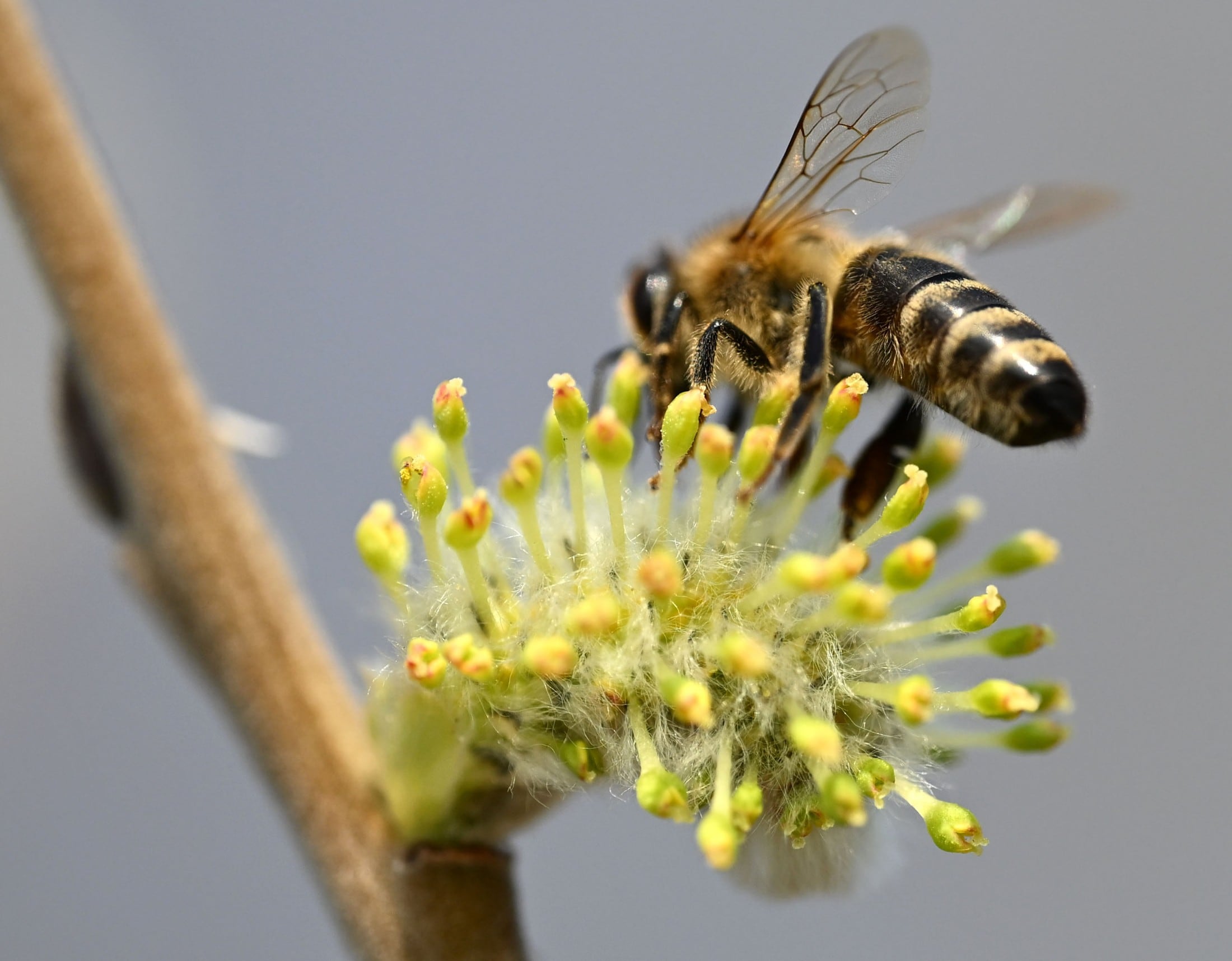
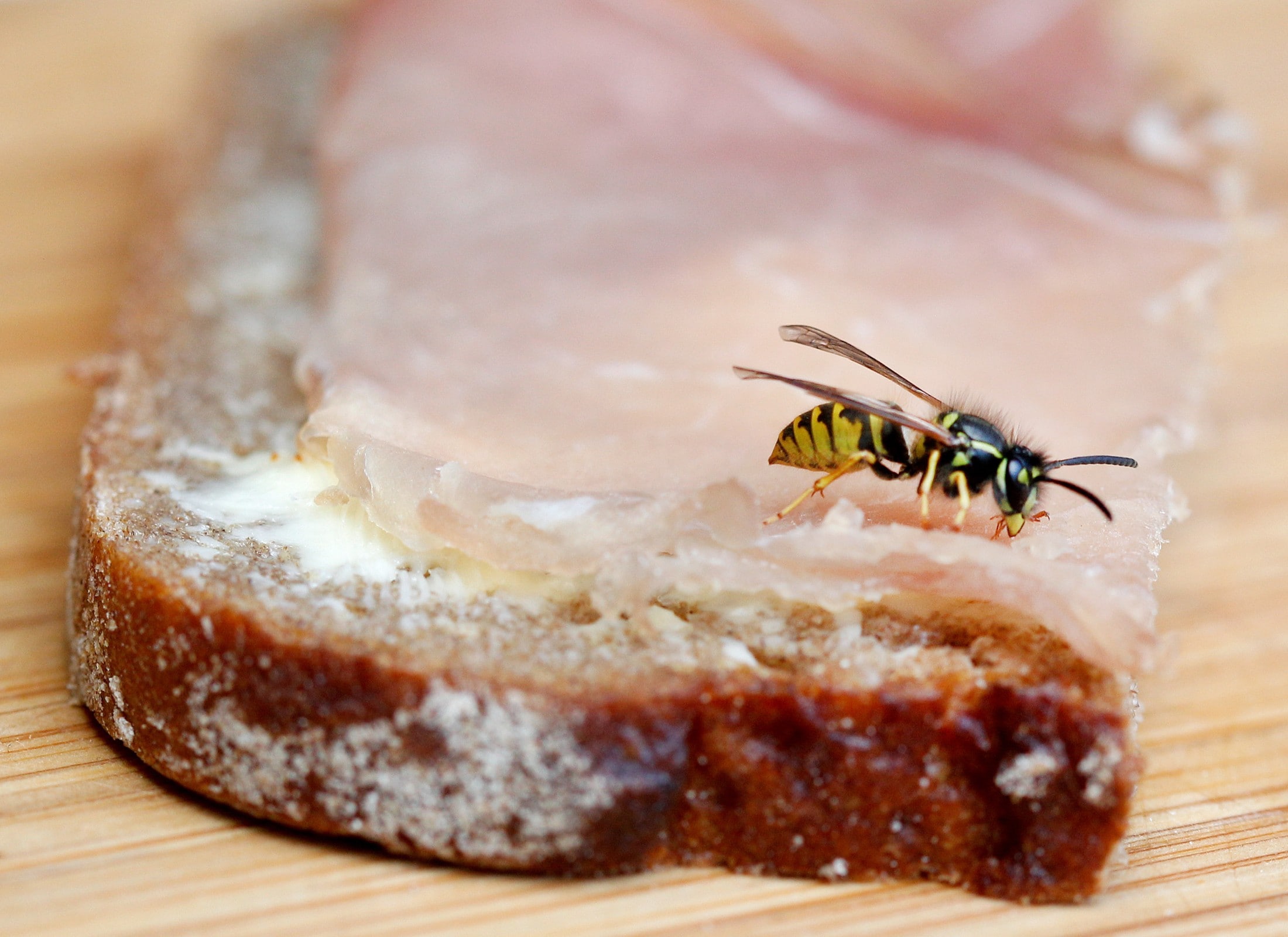
Hornets are not protected to the same extent in all federal states either. However, the European hornet is protected in several states, either explicitly or under general protection regulations. In Lower Austria and Carinthia, it is explicitly protected; in Upper Austria, general protection applies to wild animals and their nests. In Styria, exceptions apply to hornets in buildings and home gardens.
A nest may not be removed solely out of fear or because of occasional nuisance. However, removal may be permitted if people are at concrete risk, such as at building entrances, in schools or kindergartens, or in the immediate vicinity of individuals with severe insect venom allergies. Whether a permit is required depends on the federal state and the specific case.
Hornet colonies live for only one season. In the fall, the colony dies, and the old nest is not normally reused the following year. The Asian hornet is an invasive species. Suspicious insects or nests should be reported to the appropriate reporting office.
Not every species of wasp is explicitly protected in every federal state. Nevertheless, wasps may not be killed or needlessly tormented anywhere in Austria without a reasonable cause. In Lower Austria, for example, the German wasp is explicitly protected, while in Upper Austria, the general protection of wild animals and their nests applies.
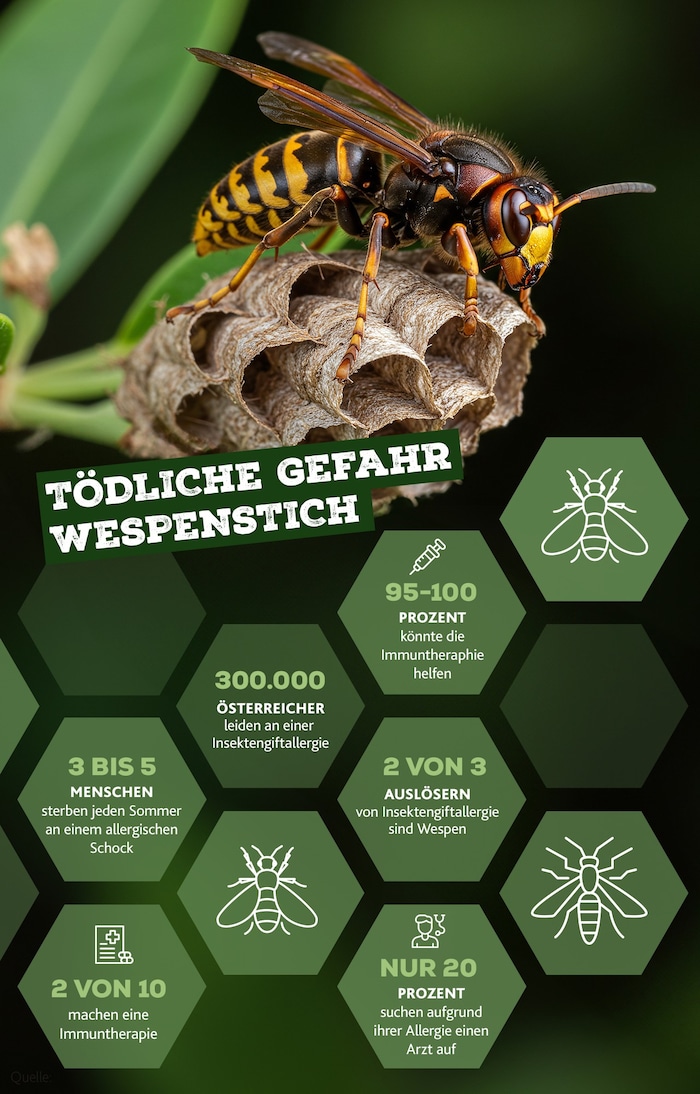
A wasp flying around the table while you’re eating usually does not pose an immediate danger. Mere nuisance therefore does not justify deliberate killing. The situation may be different in the case of an immediate attack or a specific threat.
A remote nest can usually be left alone until fall. However, if it is located, for example, directly above an entrance, professional relocation or removal may be permitted. Relocation is preferable, but not required by law in every case. Before removal, you should contact the nature conservation authority, a qualified relocation specialist, or a licensed pest control professional.
What to do if wasps and other insects are bothering you while you’re eating?
- Cover food whenever possible and clear away leftovers immediately after eating. It’s best to drink sweet beverages through a straw and keep glasses covered.
- Do not leave fruit, cake, meat, and sausage out for longer than necessary.
- Remove fallen fruit regularly and keep trash cans closed.
- Stay calm and do not swat wildly at the insects.
- Avoid using strongly scented perfumes, hairsprays, and personal care products as much as possible when eating outdoors.
What should I do if a wasp or hornet approaches me?
- Do not blow on wasps. Movement, airflow, and exhaled carbon dioxide can be perceived as a threat.
- If an insect is on your skin, gently shake it off or carefully brush it away.
- Fly screens on windows and doors prevent insects from regularly entering living spaces. If a wasp is inside a room, open a door or window, dim the lights, and give the wasp time to fly out on its own.
- Do not set up sticky traps, poison traps, or open bait traps. They indiscriminately kill even protected or completely harmless insects.
What to do if you find a hornet or wasp nest?
- Keep your distance from a nest. The state of Lower Austria recommends a distance of about five meters whenever possible.
- Do not use poison, fire, a water jet, a pressure washer, construction foam, or gasoline against a nest. Clarify the level of danger and the applicable state regulations.
- Do not block the entrance or flight path. Avoid vibrations and work directly on the nest.
- If there is a specific danger, contact a professional nest relocator, a licensed pest control specialist, or the responsible nature conservation authority. The fire department should only be contacted in cases of actual, acute danger—without exception.
This article has been automatically translated,
read the original article here.









Willkommen in unserer Community! Eingehende Beiträge werden geprüft und anschließend veröffentlicht. Bitte achten Sie auf Einhaltung unserer Netiquette und AGB. Für ausführliche Diskussionen steht Ihnen ebenso das krone.at-Forum zur Verfügung. Hier können Sie das Community-Team via unserer Melde- und Abhilfestelle kontaktieren.
User-Beiträge geben nicht notwendigerweise die Meinung des Betreibers/der Redaktion bzw. von Krone Multimedia (KMM) wieder. In diesem Sinne distanziert sich die Redaktion/der Betreiber von den Inhalten in diesem Diskussionsforum. KMM behält sich insbesondere vor, gegen geltendes Recht verstoßende, den guten Sitten oder der Netiquette widersprechende bzw. dem Ansehen von KMM zuwiderlaufende Beiträge zu löschen, diesbezüglichen Schadenersatz gegenüber dem betreffenden User geltend zu machen, die Nutzer-Daten zu Zwecken der Rechtsverfolgung zu verwenden und strafrechtlich relevante Beiträge zur Anzeige zu bringen (siehe auch AGB). Hier können Sie das Community-Team via unserer Melde- und Abhilfestelle kontaktieren.