"I can't take it anymore!"
Apartments Turn into Ovens—Tenants Often Powerless
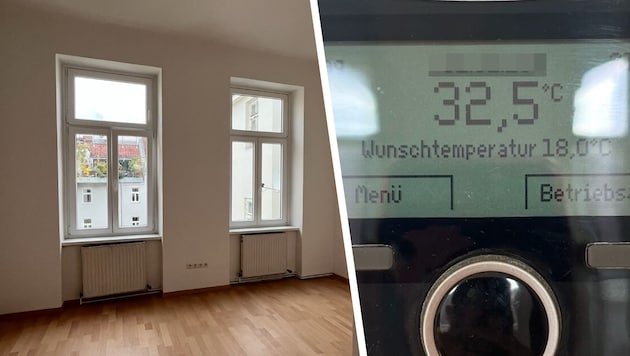

While new heat records are being set outside, apartments, attics, and bedrooms have long since turned into veritable “ovens” for many. Sleep? Hardly possible. Catch your breath? Only with a lot of luck—or a balcony. Any solutions? Hardly any. Housing law expert Sabine Fürst sums up the sobering legal situation...
 Kronen Zeitung als bevorzugte Google-Quelle hinzufügen
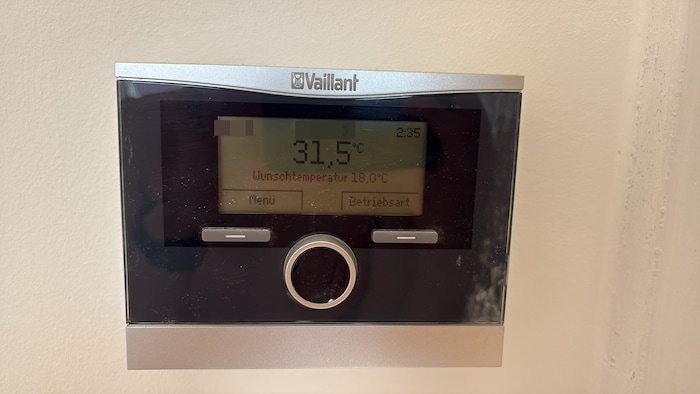
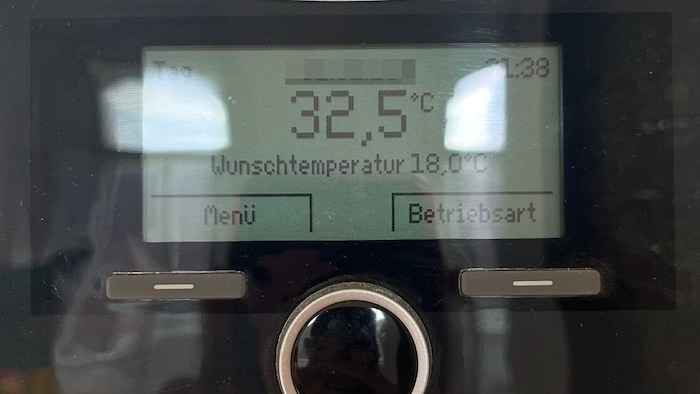
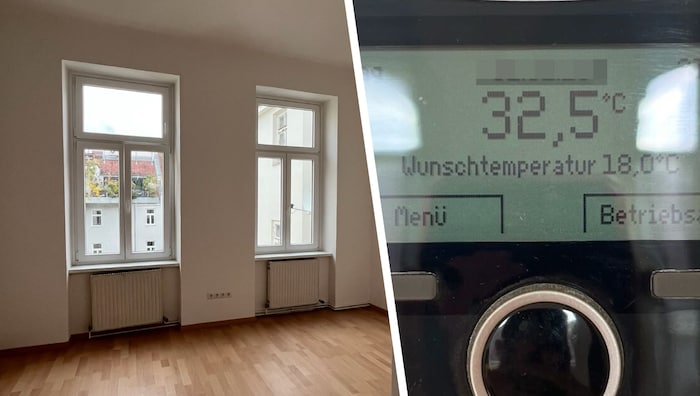
 “It’s so hot. I can’t take it anymore,” laments a “Krone” reader from Vienna’s Landstraße district. A whopping 32.5 degrees has already been measured in his apartment! Many report similar experiences: In the evenings, meals are already being moved out onto the balcony because it’s unbearable inside. Those without outdoor space are hit particularly hard. The fact that temperatures in apartments reach over 30 degrees is no longer considered “unusual”—even at night. Conversations among neighbors have long revolved around “who has it hottest.”
The health consequences have long been known: High room temperatures—especially those above 30 degrees (!)—severely disrupt sleep and place a significant strain on the body. The body cannot cool down sufficiently, deep sleep and REM sleep are shortened, and the circulatory system is put under additional strain. The result: fatigue, exhaustion, and difficulty concentrating the next day.
“No legal limit”: Tenants are often left powerless
When asked what legal options tenants have in the current heatwave, housing law expert Sabine Fürst explains the clear legal situation in an interview with the “Krone”: “There are no legally defined thresholds beyond which tenants would be entitled to air conditioning or exterior blinds.” The most effective measures against the heat—exterior blinds or split-system air conditioners—are technically possible, but legally subject to hurdles. “For both, you need the landlord’s permission. Costs are borne by the tenant,” explains Fürst.
In practice, external blinds are usually approved more readily than air conditioning units. The reason: “The visual appearance, noise level, and noise pollution caused by the air conditioning unit” play a major role in rejections. Additionally, according to the Supreme Court (OGH), an air conditioning unit is not considered “customary for the area.” For major changes, approval from the building authority (MA19) is also often required—which the landlord would then have to obtain.
There is still a small glimmer of hope: if the landlord does not respond within two months, this is considered consent. “Consent is required for any significant change,” says Fürst. While interior blinds may be installed without a permit, they provide significantly less cooling.
Heat Dispute: No Right to a Rent Reduction
Legally, too, the situation remains difficult. A rent reduction due to excessively high summer temperatures has not yet been enforced. The situation is different in winter: According to case law, an apartment with a temperature below 19 degrees is already considered unfit for habitation.
“The heat in the apartment is primarily caused by sunlight coming through the windows,” explains Fürst. Her advice: “Approach the property management company and the landlord with a cost estimate.”
Politicians Under Pressure: “Failure to Provide Heat Protection”
Criticism is also mounting on the political front— as reported by the “Krone.” The Greens , NGOs, and climate experts accuse the government of doing too little to provide heat protection. The accusation: While temperatures are rising, too little is happening in housing policy. Greenpeace Director Alexander Egit issues a stark warning: “The heat now kills more people in Austria than traffic accidents. [...] Politicians are failing to protect the ground and are also cutting funding for heat protection.”

Heat now kills more people in Austria than traffic accidents.
Greenpeace-Chef Alexander Egit
Although the Ministry of Housing is reviewing changes to rental law, concrete improvements are still a long time coming.
Between Sweat and Improvisation
So many are left with no choice but to improvise: fans, wet towels, open windows at night—and the balcony as the only “cool room.” For some, summer becomes an ordeal that is almost impossible to avoid.
The big question remains: Will heat protection in apartments become a fundamental right in the future—or will it remain a matter of one’s own wallet and the landlord’s consent?
This article has been automatically translated,
read the original article here.











Willkommen in unserer Community! Eingehende Beiträge werden geprüft und anschließend veröffentlicht. Bitte achten Sie auf Einhaltung unserer Netiquette und AGB. Für ausführliche Diskussionen steht Ihnen ebenso das krone.at-Forum zur Verfügung. Hier können Sie das Community-Team via unserer Melde- und Abhilfestelle kontaktieren.
Hinweis in eigener Sache: Schon bald erwartet Sie auf krone.at ein rundum erneuerter Forenbereich mit vielen neuen Features! Mehr Informationen finden Sie hier.
User-Beiträge geben nicht notwendigerweise die Meinung des Betreibers/der Redaktion bzw. von Krone Multimedia (KMM) wieder. In diesem Sinne distanziert sich die Redaktion/der Betreiber von den Inhalten in diesem Diskussionsforum. KMM behält sich insbesondere vor, gegen geltendes Recht verstoßende, den guten Sitten oder der Netiquette widersprechende bzw. dem Ansehen von KMM zuwiderlaufende Beiträge zu löschen, diesbezüglichen Schadenersatz gegenüber dem betreffenden User geltend zu machen, die Nutzer-Daten zu Zwecken der Rechtsverfolgung zu verwenden und strafrechtlich relevante Beiträge zur Anzeige zu bringen (siehe auch AGB). Hier können Sie das Community-Team via unserer Melde- und Abhilfestelle kontaktieren.