Fully accessible
Historic papal escape route in Rome restored
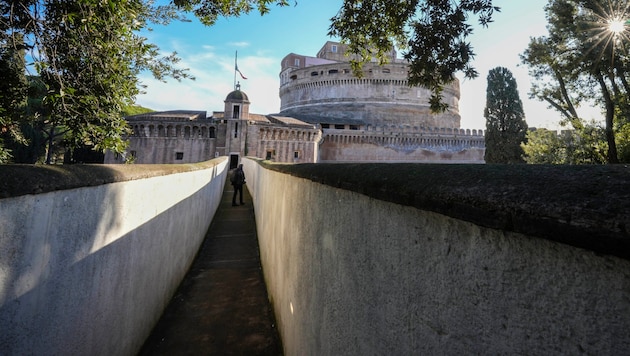

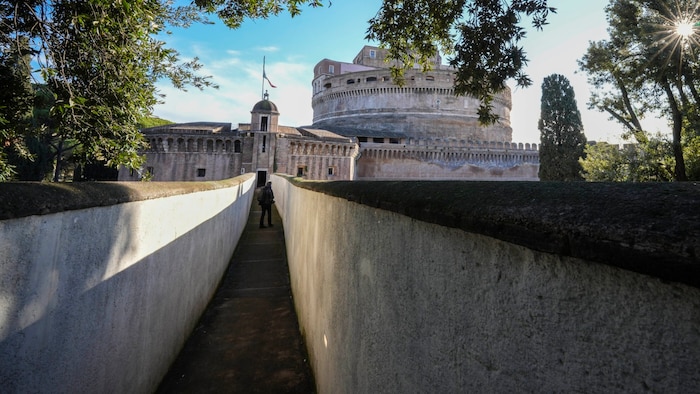
The historic escape route of the popes from the Vatican to Castel Sant'Angelo has been reopened after six months of restoration work. Among others, Pope Clement VII used the secret passageway known as the "Passetto" to escape when the mercenaries of Emperor Charles V plundered the Eternal City in 1527.
 Kronen Zeitung als bevorzugte Google-Quelle hinzufügen
 The corridor was partially reopened in three stages, first in 1999, then in 2005 and finally in 2013. Thanks to the latest restoration, the path is now almost completely accessible
Before its reopening in 1999, the Passetto had long been home to vagrants and a route for burglars, and during the Second World War it served as a hiding place for anti-fascist fugitives.
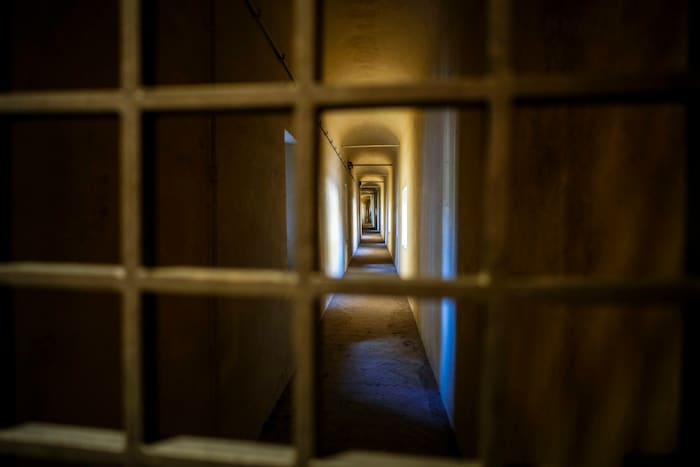
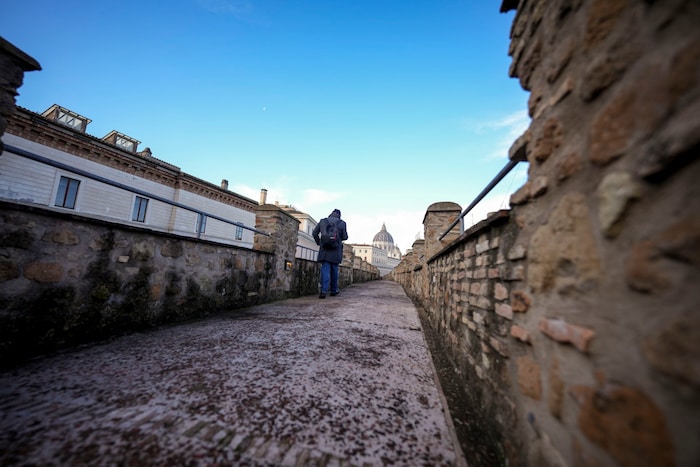
The "Passetto" was built in 1277 by Pope Nicholas III on the walls originally erected by Pope Leo IV in 847-851 to protect the Vatican from the Saracens. The Saracens had advanced to the mouth of the Tiber with their warships to plunder the city.
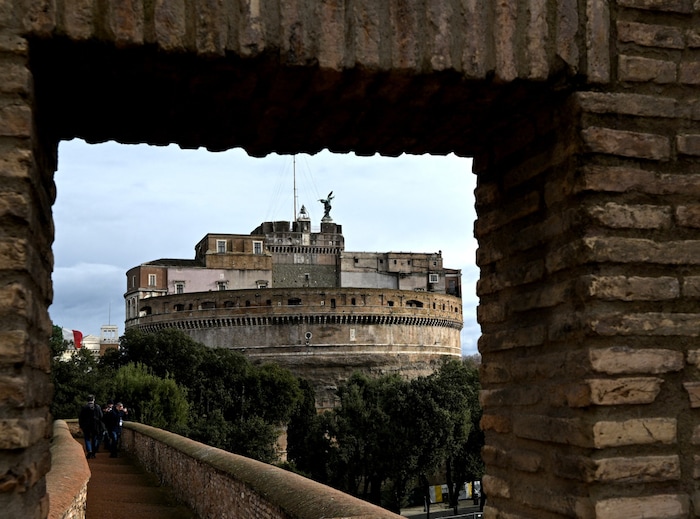
After Nicholas, other popes added towers and reinforcements and adorned the outside of the corridor - or the Passetto del Borgo, as it is popularly known - with their emblems.
This article has been automatically translated,
read the original article here.











Da dieser Artikel älter als 18 Monate ist, ist zum jetzigen Zeitpunkt kein Kommentieren mehr möglich.
Wir laden Sie ein, bei einer aktuelleren themenrelevanten Story mitzudiskutieren: Themenübersicht.
Bei Fragen können Sie sich gern an das Community-Team per Mail an forum@krone.at wenden.