After chemical check
TFA discovered in nine domestic mineral waters
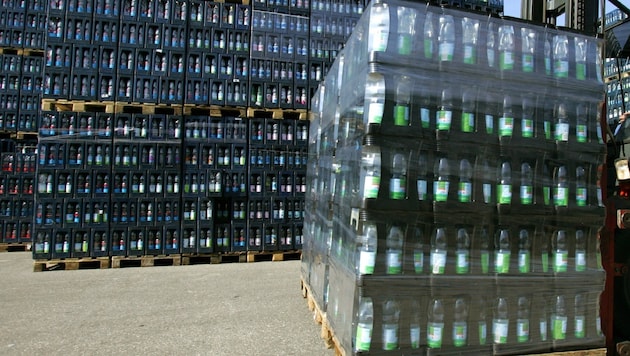

The perennial chemical trifluoroacetate (TFA) was analyzed in 18 Austrian mineral waters and five medicinal waters, including those from depths of over 200 meters. Only nine products were free of contamination.
 Kronen Zeitung als bevorzugte Google-Quelle hinzufügen
 In cooperation with the environmental organization GLOBAL2000, AK Upper Austria tested 18 Austrian mineral waters and five medicinal waters, including those from depths of over 200 meters, for trifluoroacetate. Nine products were free of contamination, but the concentrations were below the health-relevant limit values.
Samples from seven federal states
The products tested came from different regions of Austria: six from Styria, six from Tyrol, four from Burgenland, two each from Upper Austria, Lower Austria and Salzburg and one from Carinthia.
- An EU-wide limit has been set as a precautionary measure for so-called toxicologically relevant degradation products of pesticides. The levels measured in the waters tested were below this EU limit value in two cases and above it in twelve cases.
- In comparison with TFA levels in tap water, the concentrations measured in the mineral and medicinal waters are lower on average.
- No or only low TFA contamination tends to be found in very old and deep springs that are well protected by geological barriers.
TFA is an extremely stable decomposition product of PFAS pesticides (per- and polyfluorinated alkyl substances). These are mainly used in agriculture. In addition to agriculture (75 percent), fluorinated gases from refrigeration technology as well as emissions from municipal sewage treatment plants and industrial influences are also considered sources of input.
For a long time, TFA was presented as largely harmless in toxicological terms, especially by PFAS manufacturers. However, at the beginning of 2021, a study on rabbits showed severe fetal malformations caused by TFA. The manufacturer subsequently classified it as a category 2 reproductive toxicant in accordance with EU chemicals legislation. It is suspected of endangering reproduction, including in humans.
This article has been automatically translated,
read the original article here.











Da dieser Artikel älter als 18 Monate ist, ist zum jetzigen Zeitpunkt kein Kommentieren mehr möglich.
Wir laden Sie ein, bei einer aktuelleren themenrelevanten Story mitzudiskutieren: Themenübersicht.
Bei Fragen können Sie sich gern an das Community-Team per Mail an forum@krone.at wenden.