New research
What treasures still lie in the Murtal soil?
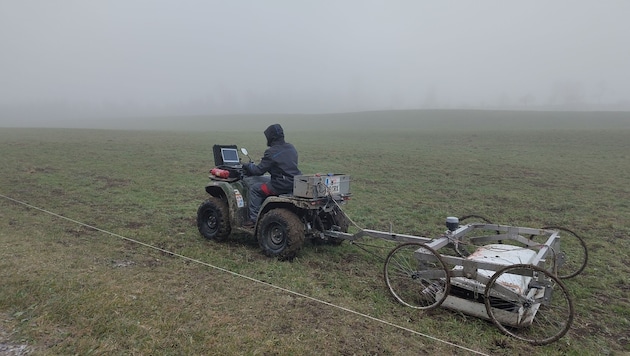

A Styrian archaeology initiative suspects finds and burial structures in Pöls-Oberkurzheim that are unique in Central Europe. Funding must now be found for further research.
 Kronen Zeitung als bevorzugte Google-Quelle hinzufügen
 One of the most famous Hallstatt relics in Styria, the Strettweger Chariot, was found in the Mur Valley. A 6000-year-old copper dagger, pottery and Roman burial sites have also been found in the surrounding valleys, such as the Pölshals. And now it could turn out that there is much more history buried in the ground there.
This is because the Pölstal Working Group for History and Archaeology (AGGA), together with GeoSphere Austria, carried out soil prospections for the first time at the beginning of November. The results were presented on Tuesday evening in Judenburg and, according to Peter Koch from AGGA, confirm that there could be finds dating back thousands of years.
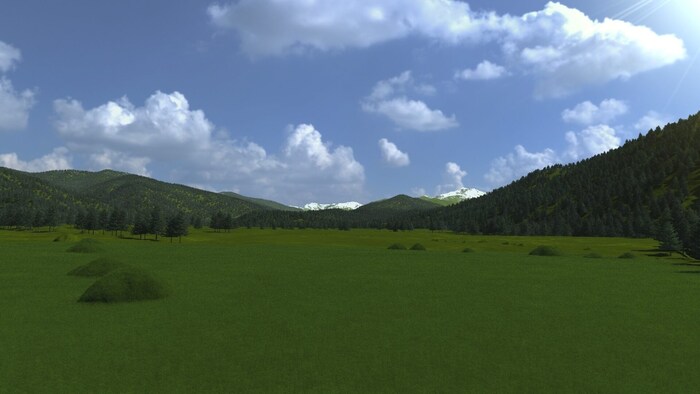
Arrangement of the burial mounds is puzzling
And what's more: "The unusual thing about these structures that have now been found is the arrangement of the burial mounds. It is linear, which was previously only found in southern Scandinavia and Stonehenge." The density and exact alignment of the graves on axes also remain a mystery, according to the working group. The area could prove to be an important trading hub.
Now the funding for further research needs to be put in place. "We expect the project to take at least ten years," says Koch.
This article has been automatically translated,
read the original article here.










Da dieser Artikel älter als 18 Monate ist, ist zum jetzigen Zeitpunkt kein Kommentieren mehr möglich.
Wir laden Sie ein, bei einer aktuelleren themenrelevanten Story mitzudiskutieren: Themenübersicht.
Bei Fragen können Sie sich gern an das Community-Team per Mail an forum@krone.at wenden.