Pregnancy
“Special weekly allowance” closes financial gap
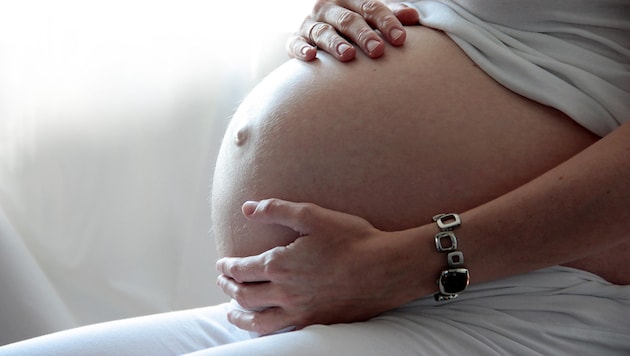

Women who become pregnant while on parental leave but no longer receive childcare allowance are not entitled to the so-called weekly allowance. According to the interpretation of the Supreme Court, this violates EU law. The federal government has now closed this loophole.
The coalition has announced the introduction of a "special weekly allowance". "Especially when two children are born close together, families need every euro," said the minister on Saturday.
Expectant mothers may no longer be employed from the start of maternity leave - generally eight weeks before and after the due date. The maternity allowance provides financial security for women during this period.
An EU directive stipulates that women are entitled to continued payment of their salary or a social benefit during maternity leave. In a ruling in August last year, the Supreme Court confirmed that this also applies if a shorter, income-dependent childcare allowance and a longer period of parental leave were chosen.
This is how much money pregnant women get
The amount of the new "special weekly allowance" is based on the increased sick pay, which guarantees financial security even in the event of prolonged sick leave. It will be introduced retroactively from November 1, 2023. 70% of the costs will be covered by the Family Burden Equalization Fund (FLAF) and 30% by the woman's health insurance.
This article has been automatically translated,
read the original article here.











Da dieser Artikel älter als 18 Monate ist, ist zum jetzigen Zeitpunkt kein Kommentieren mehr möglich.
Wir laden Sie ein, bei einer aktuelleren themenrelevanten Story mitzudiskutieren: Themenübersicht.
Bei Fragen können Sie sich gern an das Community-Team per Mail an forum@krone.at wenden.