Even small calves
EU wants to have 3,000 native sika deer killed



Brussels madness! Sika deer, which have lived here since the imperial era, have now been classified as a “biologically invasive species” and are therefore to be eradicated down to the last animal.
 Kronen Zeitung als bevorzugte Google-Quelle hinzufügen
 For Austria’s sika deer owners, this absurd decision from Brussels sounds like a death sentence. After all, what has been built up over decades—carefully protected in game preserves—is now set to be wiped out within a few months. The EU has declared the sika deer an invasive species—and it must be removed from every game reserve by August 2027!
The reasoning: It could pose a threat to the red deer and, by mating with it, produce a hybrid species. According to the regulation, keeping, breeding, transporting, and importing these deer are therefore prohibited. To be fair to the Austrian representatives on the Special Scientific Council: they were outvoted by “experts” from other countries despite their protests.
More than 250 farms in Austria affected
The consequences of this madness are enormous: More than 250 (!) Austrian farms are facing ruin. Across the entire European Union, the number runs into the thousands. According to the Association of Sika Deer Breeders, the estimated damage amounts to 16 million euros. These are not wild populations that would displace native species, but animals kept in strictly controlled and hermetically fenced enclosures. Nevertheless, they face the same fate as truly problematic invasive species.
“Hundreds of families are affected by this madness”
“The EU classifies the sika deer as an invasive species, even though there isn’t a single documented case of it posing a threat to red deer here. Hundreds of families are affected, and no compensation is planned. This is pure madness,” criticizes EU representative Alexander Bernhuber. Many farms are in a state of disbelief. Over the years, secure enclosures have been built, breeding animals purchased, and regional marketing structures established. Now all this effort is in danger of becoming worthless overnight.
What’s particularly bitter: Starting as early as August of this year, male animals are to be separated from the females to prevent any reproduction. For many farmers, this is a massive interference with the natural herd structure and hardly compatible with the concept of animal welfare. Even more contentious is the question of the scientific basis for this measure.
The species belongs to the red deer family and provides tasty meat. This noble breed from Asia was introduced to many regions of the world, including the Austro-Hungarian Crown Lands, around 150 years ago.
While the EU warns of a potential threat to native game species, Austrian breeders point out that there is not a single documented case in this country in which sika deer have seriously threatened red deer. Nevertheless, all the animals are to be eliminated! For those affected, this is a prime example of madness decided behind closed doors. While Europe’s politicians talk about biodiversity, regionality, and sustainable agriculture, an entire sector of the industry—one that has been living out precisely these goals for years—now faces destruction.
Time is running out for sika deer breeders
If the regulation remains unchanged, the populations in Austria’s enclosures face complete extinction by August 2027. What would remain are empty pastures, losses amounting to millions, and the question of why healthy animals must be culled.
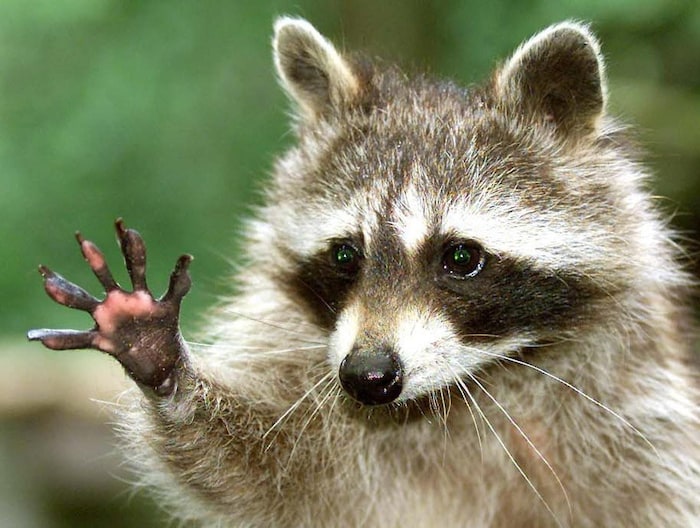
Raccoons spread after escaping from fur farms in the 1920s. They eat eggs and young birds and have a negative impact on marsh turtles.
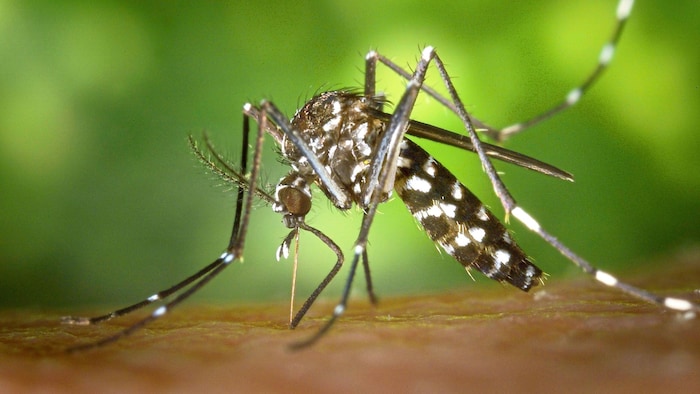
The Asian tiger mosquito is spreading rapidly in Austria. It can transmit tropical diseases.
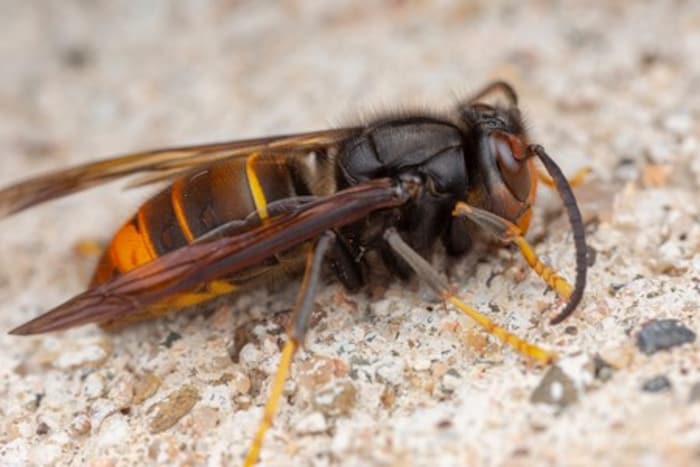
The Asian hornet carries out coordinated attacks on beehives and wasp nests. The first nests have already been spotted in Vorarlberg, in the municipality of Lustenau.
Bullfrogs eat anything they can overpower, including other amphibians and even fish.
Giant hogweed, also known as Hercules weed, is a highly toxic plant. Its sap contains substances that cause burns upon skin contact when exposed to sunlight.
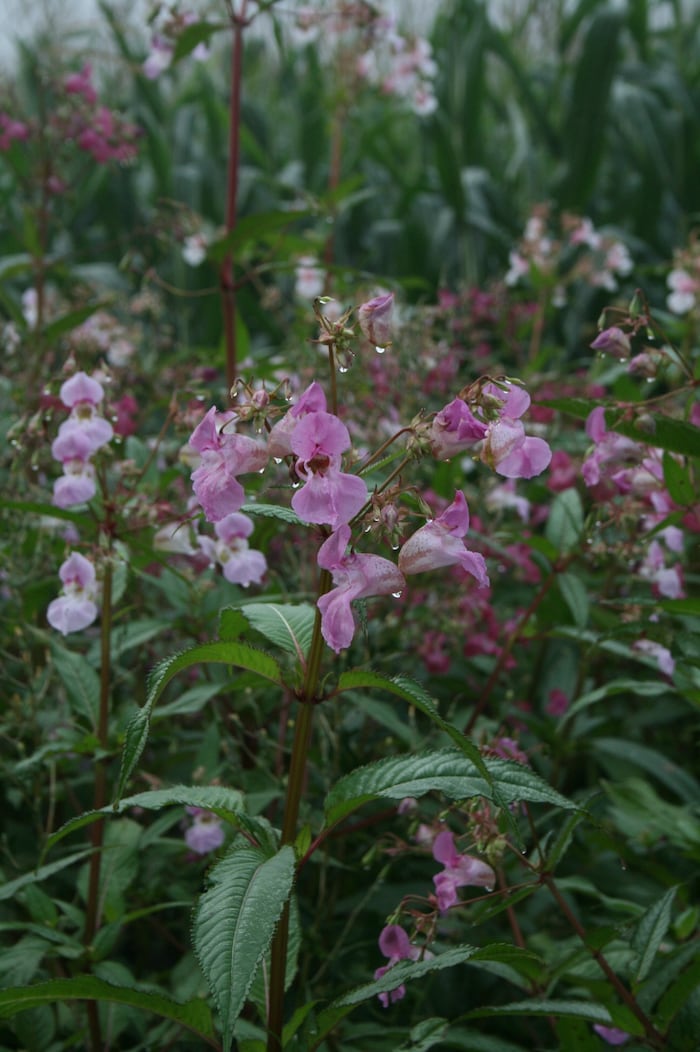
The Indian balsam spreads so rapidly because it can catapult its seeds up to seven meters. It displaces native flora.
This article has been automatically translated,
read the original article here.











Willkommen in unserer Community! Eingehende Beiträge werden geprüft und anschließend veröffentlicht. Bitte achten Sie auf Einhaltung unserer Netiquette und AGB. Für ausführliche Diskussionen steht Ihnen ebenso das krone.at-Forum zur Verfügung. Hier können Sie das Community-Team via unserer Melde- und Abhilfestelle kontaktieren.
User-Beiträge geben nicht notwendigerweise die Meinung des Betreibers/der Redaktion bzw. von Krone Multimedia (KMM) wieder. In diesem Sinne distanziert sich die Redaktion/der Betreiber von den Inhalten in diesem Diskussionsforum. KMM behält sich insbesondere vor, gegen geltendes Recht verstoßende, den guten Sitten oder der Netiquette widersprechende bzw. dem Ansehen von KMM zuwiderlaufende Beiträge zu löschen, diesbezüglichen Schadenersatz gegenüber dem betreffenden User geltend zu machen, die Nutzer-Daten zu Zwecken der Rechtsverfolgung zu verwenden und strafrechtlich relevante Beiträge zur Anzeige zu bringen (siehe auch AGB). Hier können Sie das Community-Team via unserer Melde- und Abhilfestelle kontaktieren.