Environmental relief
Aircraft to fly on hydrogen in future
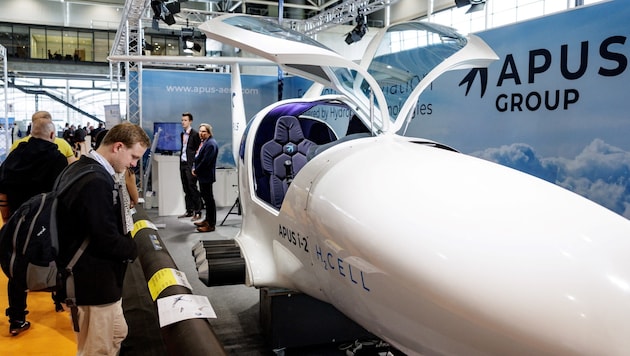

Climate-neutral air travel with hydrogen is set to reduce the burden on the environment in the future. Researchers at ETH Zurich have now provided the basis for the development of sustainable hydrogen aircraft engines. They tested the acoustic behavior of hydrogen injection nozzles in the laboratory under conditions similar to those prevailing at cruising altitude.
 Kronen Zeitung als bevorzugte Google-Quelle hinzufügen
 The type of fuel has a major influence on the interaction of sound and flame. Engineers and researchers must therefore also ensure that vibrations do not occur in a new hydrogen engine.
"Hydrogen burns faster than kerosene. For this reason, it produces smaller and more compact flames," Nicolas Noiray, Professor at the Department of Mechanical and Process Engineering at the Swiss Federal Institute of Technology in Zurich (ETH), is quoted as saying in the specialist journal "Combustion and Flame".
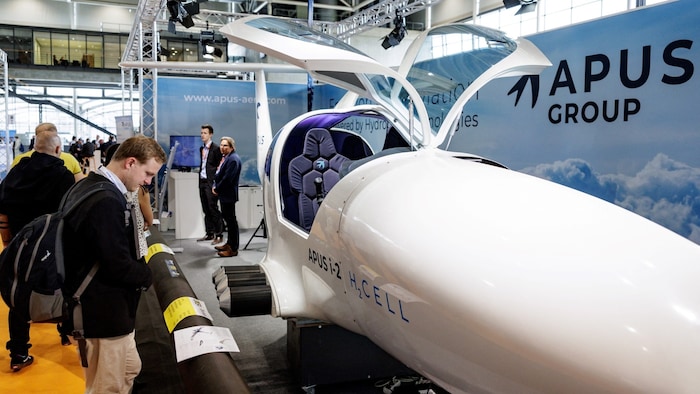
This must be taken into account when designing hydrogen engines. One problem is vibrations, which engineers are trying to contain. They are caused by the mutual interaction of sound waves and flames and put a lot of strain on the engine, even in today's kerosene engines. They succeeded in doing this by optimizing the shape of the flames and the geometry and acoustics of the combustion chamber.
In a few years, a functioning hydrogen engine should be ready for the first tests on the ground.
This article has been automatically translated,
read the original article here.











Da dieser Artikel älter als 18 Monate ist, ist zum jetzigen Zeitpunkt kein Kommentieren mehr möglich.
Wir laden Sie ein, bei einer aktuelleren themenrelevanten Story mitzudiskutieren: Themenübersicht.
Bei Fragen können Sie sich gern an das Community-Team per Mail an forum@krone.at wenden.