Ukraine war
Discord in Europe over “divisive Russia”

There is discord in Europe. Relations between Berlin and Paris are worse than they have been for a long time. And now the Czech Republic and Slovakia are also at loggerheads. The reason: Russia. The differences are too great when it comes to the war in Ukraine and what signal they want to send to Moscow. And the Kremlin is laughing up its sleeve. Because this is precisely the discord they want to sow between the allies.
 Kronen Zeitung als bevorzugte Google-Quelle hinzufügen
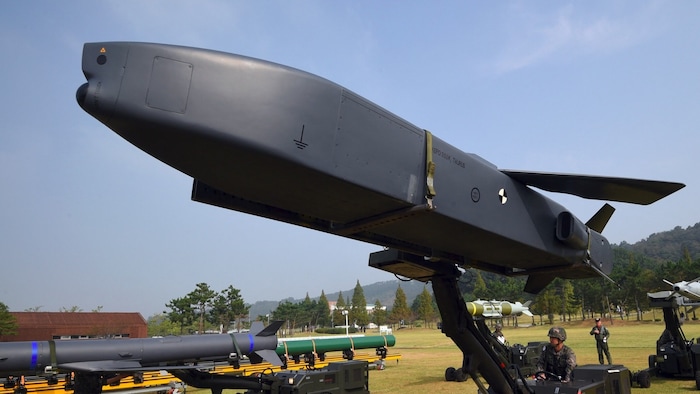
 But one thing at a time: France's Emmanuel Macron wants to show strength towards Russia and recently brought the deployment of Western ground troops in Ukraine into play. Germany's Chancellor Olaf Scholz wants to be the "peace chancellor" - also in view of the elections in the eastern German states and concerns about an election victory for the pro-Russian, far-right AfD. He categorically ruled out ground troops and the delivery of Taurus cruise missiles to Kiev.
Both positions are understandable. What is devastating, however, is the signal that is being sent to Moscow. Namely that Europe is reacting without leadership and chaotically. NATO's - and Europe's - military and political capacities depend on its members presenting a united front to the outside world and not contradicting each other. Scholz, explains expert Christian Mölling from the German Council on Foreign Relations, has set red lines by categorically ruling out the deployment of ground troops. Not just for Germany, however, but for all allies. Instead of expanding the room for maneuver vis-à-vis Putin by simply ruling out nothing, Scholz has limited it. Because the red lines set by the German Chancellor do not apply to Putin.
Since Thursday, there has also been a diplomatic ice age between Prague and Bratislava. Czech Prime Minister Petr Fiala announced that he was canceling the planned government consultations with the Slovakian cabinet of Russia-friendly Prime Minister Robert Fico. This was in response to the Slovakian government's conciliatory rhetoric towards Russia.
"We consider some of their activities to be problematic," said Fiala, explaining the move. Holding the usual meetings is currently "not appropriate". The main reason for this is likely to have been the meeting between Slovakian Foreign Minister Juraj Blanár and his Russian counterpart Sergei Lavrov in Antalya, Turkey, on Saturday. However, this does not mean a break in relations. The meeting between the two defense ministers scheduled for next week will take place as planned. The meetings of the so-called Slavkov Group, which includes Austria as well as the Czech Republic and Slovakia, or the "C5 format" together with Austria, Hungary and Slovenia, will also continue to take place. Behind closed doors in Prague, however, it is said: "You can no longer talk to Fico."
So there is rumbling among Europe's allies. Putin sees an opportunity to attack NATO and Europe politically rather than militarily. And he is coldly exploiting the discord among the allies for his propaganda purposes.











Da dieser Artikel älter als 18 Monate ist, ist zum jetzigen Zeitpunkt kein Kommentieren mehr möglich.
Wir laden Sie ein, bei einer aktuelleren themenrelevanten Story mitzudiskutieren: Themenübersicht.
Bei Fragen können Sie sich gern an das Community-Team per Mail an forum@krone.at wenden.