WWF Report 2024
Species conservation: winners and losers of the year
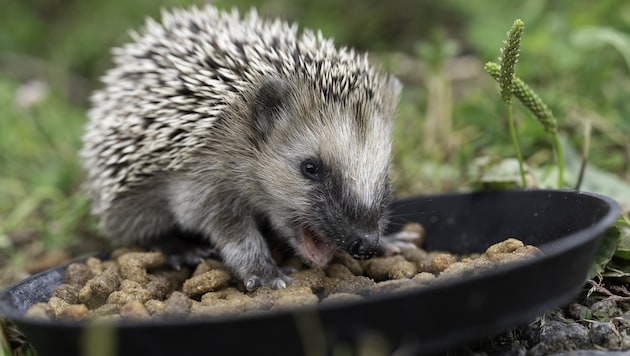

This year was a mixed year for endangered animal species. This is the conclusion drawn by the nature conservation organization WWF, which has selected the "Winners and Losers of the Animal Kingdom 2024". The native hedgehog is considered "potentially endangered" for the first time. But there are also rays of hope for some animal species.
 Kronen Zeitung als bevorzugte Google-Quelle hinzufügen
 The year 2024 brought mixed developments for endangered animal species. This is the conclusion reached by the nature conservation organization WWF, which has determined the "Winners and losers in the animal kingdom in 2024".
Hedgehogs "potentially endangered" for the first time
Wolves in Europe are to be on the hit list more often with a lowered protection status, WWF Austria pointed out. The number of Western European hedgehogs, also known as brown-breasted hedgehogs, is in sharp decline. In particular, the destruction of rural habitats through the intensification of agriculture, roads and urban development is leading to a steady decline, the WWF explained on Friday.
The Western European hedgehog is found in large parts of Central Europe, including Germany, Austria, Switzerland and the UK. Over the past ten years, the number has declined by 16 to 33 percent, depending on the country.
WWF calls for nature conservation offensive
"Wild animals are disappearing from our planet forever at record speed and all the causes are man-made: habitat destruction, overuse and poaching, invasive species, environmental pollution and the climate crisis," said WWF species conservation expert Georg Scattolin. The WWF is therefore calling for a nature conservation offensive from politicians. "The protection of biodiversity and the climate must be given more priority worldwide. There are always rays of hope where people are actively committed to protecting nature," emphasized Scattolin.

Wild animals are disappearing from our planet forever at record speed and all the causes are man-made: habitat destruction, overexploitation and poaching, invasive species, environmental pollution and the climate crisis.
WWF-Artenschutz-Experte Georg Scattolin
According to the WWF, neither the World Conference on Nature nor the World Climate Conference have made the necessary progress this year. In Europe, conservationists fear that the postponement of the EU deforestation regulation will lead to the further destruction of species-rich rainforests. In contrast, the decision on the important EU renaturation regulation was groundbreaking. In Austria, "soil consumption is particularly worrying" - with fatal consequences for biodiversity, the WWF noted.
Rays of hope in species conservation
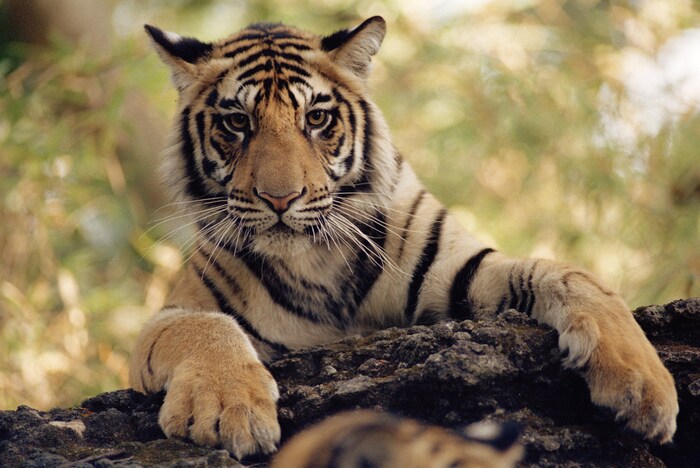
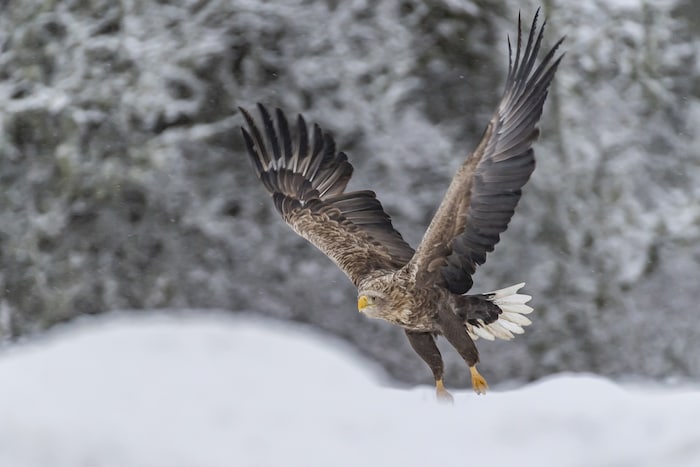
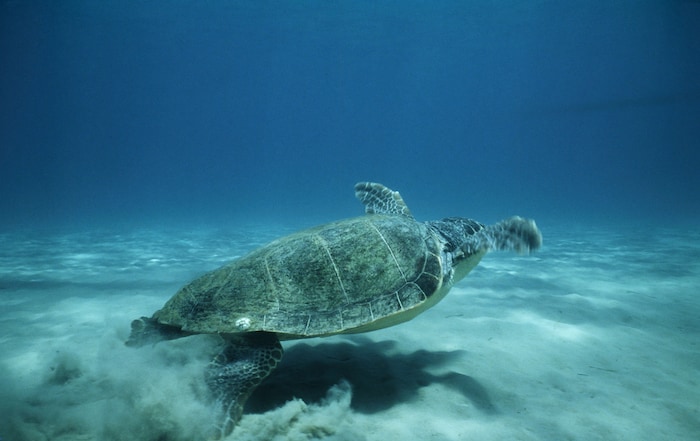
However, the WWF annual report also highlights the winners of the year. Tigers are doing better thanks to intensive species conservation work, while Siamese crocodiles, sea turtles and tuna are returning to their traditional habitats. In Austria, white-tailed eagles and white storks are on the upswing. "The winning species in 2024 show that our efforts to protect endangered species and ecosystems are worthwhile and that there are always opportunities for nature despite setbacks," explained Scattolin.
This article has been automatically translated,
read the original article here.











Da dieser Artikel älter als 18 Monate ist, ist zum jetzigen Zeitpunkt kein Kommentieren mehr möglich.
Wir laden Sie ein, bei einer aktuelleren themenrelevanten Story mitzudiskutieren: Themenübersicht.
Bei Fragen können Sie sich gern an das Community-Team per Mail an forum@krone.at wenden.