Hypersensitivity
“Ice-cold hands” after injury or surgery
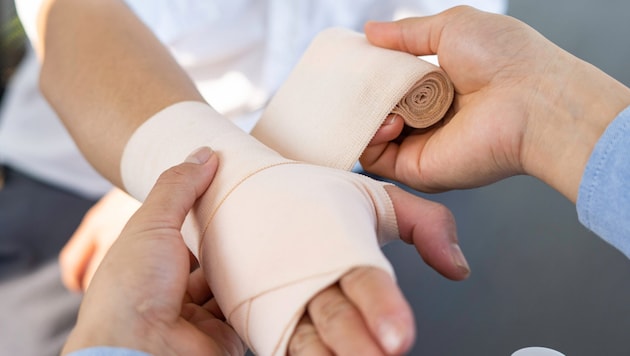

Everyone has cold hands, especially in winter. For some people, however, it is not just the low temperatures that are to blame, but previous injuries or operations. An occupational therapist explains how hypersensitivity to cold temperatures occurs and has some tips.
 Kronen Zeitung als bevorzugte Google-Quelle hinzufügen
 "Hypersensitivity to cold in the hands is particularly common after damage to the nerves, tissue or blood circulation. Possible causes include nerve injuries (neuropathy), nerve compression (nerve fibers or tissue are crushed by mechanical impact), vascular injuries or inflammation and overreaction of the blood vessels (e.g. spasmodic constriction of the vessels in Raynaud's syndrome, a vascular disease). Furthermore, cold intolerance is often associated with CRPS, the 'complex regional pain syndrome'," explains Claudia Pacher, BSc MSc, Chairwoman of the Austrian Society for Hand Therapy (ÖGHT).
Even slight changes in temperature or draughts (caused by air conditioning, for example) can sometimes trigger symptoms. "Perceptions vary greatly depending on the person. The cold can be unpleasant or very painful. Some experience it as stinging or burning, for others the area becomes numb and feels 'dead'. Sometimes there is also a strong, painful tingling sensation," reports the occupational and certified hand therapist.
"Sometimes there is also a white, bluish or blotchy discoloration of the skin. There is also an obvious difference in temperature compared to unaffected tissue. Many also speak of rigidity or stiffness or of becoming physically tired more quickly when they experience symptoms of cold intolerance." This hypersensitivity often decreases over the years or patients learn to deal with it. However, it usually accompanies those affected for the rest of their lives.

What can those affected do about it?
Treatment by occupational therapists or physiotherapists involves developing compensation strategies or looking for aids after a medical assessment. They also try to treat the damaged tissue in the best possible way and restore all functions. Those affected should also take care:
- Do not wear jewelry or a wristwatch on the "sensitive" hand.
- Use tools with rubber or wooden handles instead of metal or plastic.
- Handle cold objects with the healthy hand or protect the damaged hand with a glove.
- Avoid carrying heavy bags with the injured hand, as this irritates the blood supply and increases cold-related symptoms. Alternatively, use a rucksack or trolley.
- Wash vegetables and fruit with warm water. This also applies before peeling cold items.
- Warm clothing on your body also keeps your hands warm. An uncovered head loses 20 percent of body heat. Tight-fitting sleeves around the wrist, wrist warmers or long gloves are also particularly effective.
- Choose gloves with a windproof outer layer and an inner glove made of wool or fleece. Mittens are better than gloves, as the uninjured fingers can keep the injured ones warm. There are also hand and pocket warmers and even heated steering wheels for cars.
- Movement and exercise increase body heat. Better blood circulation in the hands reduces the symptoms.
This article has been automatically translated,
read the original article here.











Da dieser Artikel älter als 18 Monate ist, ist zum jetzigen Zeitpunkt kein Kommentieren mehr möglich.
Wir laden Sie ein, bei einer aktuelleren themenrelevanten Story mitzudiskutieren: Themenübersicht.
Bei Fragen können Sie sich gern an das Community-Team per Mail an forum@krone.at wenden.