AK seeks solutions
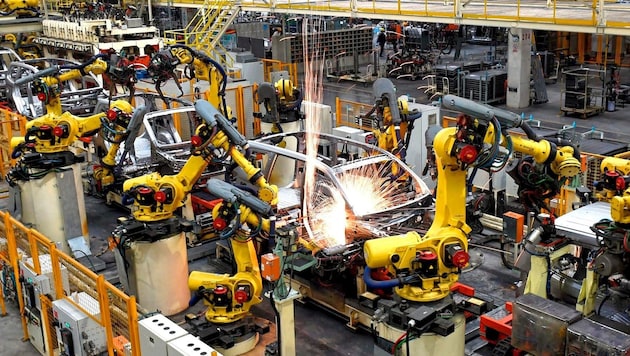
State and economy: robots don’t pay taxes
Final balance sheet at the end of the year: Lower Austria's AK President Markus Wieser calculates that the work of machines must be the focus ...
 Kronen Zeitung als bevorzugte Google-Quelle hinzufügen
 The current situation: 60 percent of the total value added comes from human labor. 40 percent comes from machines and robotics. In the 1970s, the ratio was still 90 to 10, but machines - including the much-discussed artificial intelligence - are taking over more and more work steps. However, taxes are still mainly levied on work performance and payroll.

We need to find new solutions to finance the welfare state!
AK-NÖ-Präsident Markus Wieser
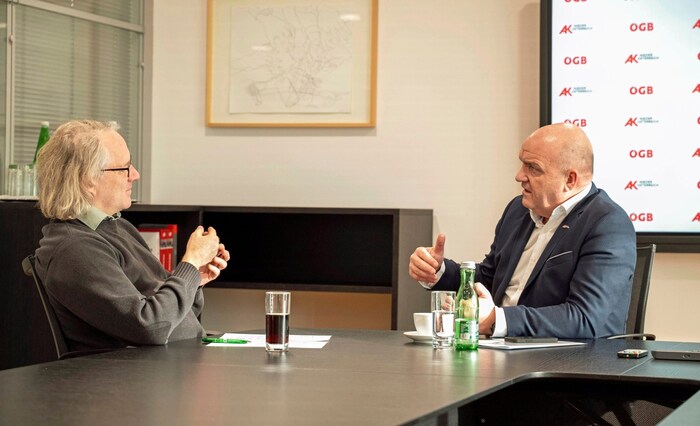
A development that Chamber of Labor President Markus Wieser wants to see actively reshaped. "Robots don't pay taxes. It will be necessary to use digitalization and automation to secure the financing of the solidarity state." He is counting on an open discussion with stakeholders from business and politics - which is currently a hot topic in the coalition negotiations at federal level. However, it is not just about taxing machines and vending machines; Wieser can also imagine relief for job-intensive companies with many human employees.
"Do not jeopardize the industry"
The AK boss continued: "It is important to ensure that Lower Austria as a business location and, above all, the industry, which is very export-oriented, are not jeopardized." Wieser also suggests that energy and grid costs should be lower for companies as part of this legislative change.
This article has been automatically translated,
read the original article here.











Da dieser Artikel älter als 18 Monate ist, ist zum jetzigen Zeitpunkt kein Kommentieren mehr möglich.
Wir laden Sie ein, bei einer aktuelleren themenrelevanten Story mitzudiskutieren: Themenübersicht.
Bei Fragen können Sie sich gern an das Community-Team per Mail an forum@krone.at wenden.