Greenwashing & Co.
A quarter of quality labels are not trustworthy
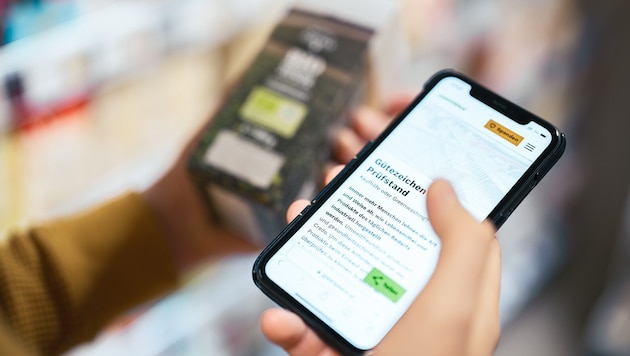

The environmental protection organization Greenpeace has taken a close look at the 42 most important quality labels for food. The result is unpleasant: more than a quarter of the quality labels assessed are not entirely trustworthy.
 Kronen Zeitung als bevorzugte Google-Quelle hinzufügen
 Melanie Ebner, agricultural expert: "When shopping for food, we come across a flood of seals, labels and brands - it's easy to lose track of which labels guarantee sustainability and which are just empty promises. Consumers need real, transparent information to be able to make sustainable decisions."
Results of the representative Integral survey:
- Just under two thirds of respondents (64 percent) consider quality labels for food to be important. However, trust in the sustainability promises of these labels is low: more than six in ten respondents (62%) are concerned that greenwashing is behind these labels.
- 40 percent of those who fear greenwashing now pay less attention to quality labels when shopping.
26 percent of labels are not trustworthy
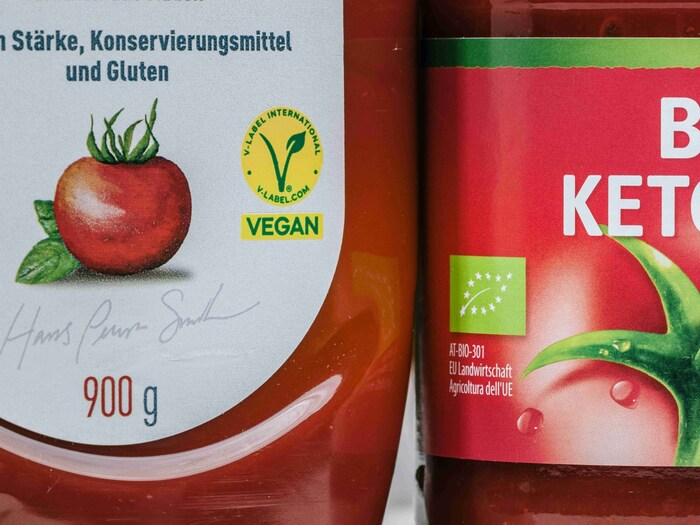
Greenpeace has therefore revised the quality label guide for food shopping published in 2018 and evaluated 42 labels. The shocking result: more than 26 percent of the 42 seals examined are either not trustworthy or only moderately reliable.
Some seals even have negative effects
Some, such as the MSC seal (fish) and the RSPO seal (palm oil), even have a negative impact on environmental goals. There are also some trustworthy quality labels such as Demeter, Prüf nach! or Bio Austria.
In addition, the planned EU "Green Claims" Directive is intended to ensure that companies are only allowed to make scientifically verified sustainability claims.
Vague terms such as "sustainable" or "climate-friendly" will then only be permitted if they are actually science-based and comply with transparent standards. The directive is still being negotiated - implementation in the member states will take some time.
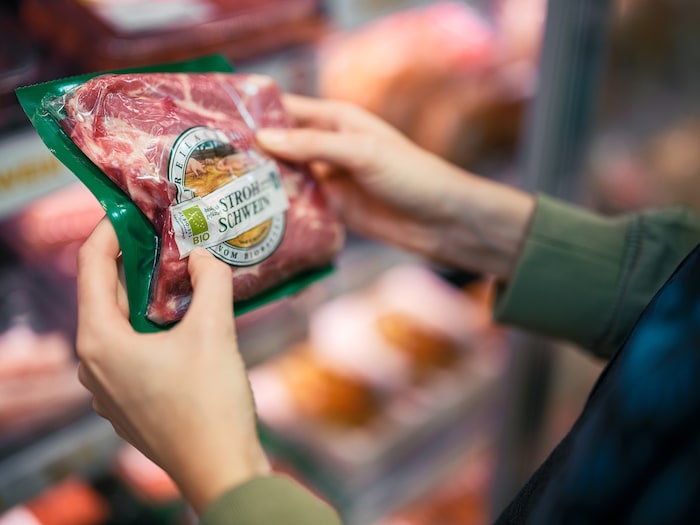
By the way: A total of 450,000 tons of pork are produced in Austria every year and end up on restaurant plates or on supermarket shelves. A new analysis by Tierschutz Austria shows: 40 percent of meat labels say nothing about animal welfare, and only 14 percent guarantee clearly higher standards.
This article has been automatically translated,
read the original article here.











Da dieser Artikel älter als 18 Monate ist, ist zum jetzigen Zeitpunkt kein Kommentieren mehr möglich.
Wir laden Sie ein, bei einer aktuelleren themenrelevanten Story mitzudiskutieren: Themenübersicht.
Bei Fragen können Sie sich gern an das Community-Team per Mail an forum@krone.at wenden.