Start-up village in Tulln
The eco-future of agriculture is being created here
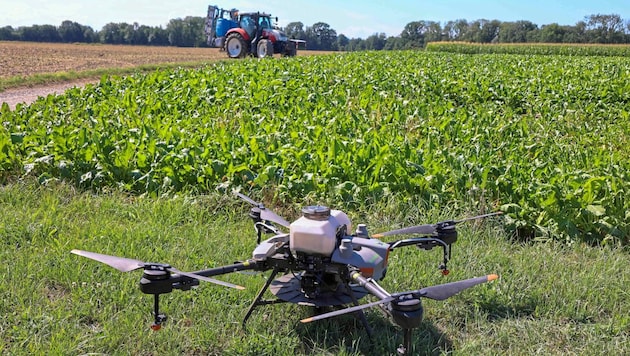

The former agricultural college in Tulln is being transformed by eco-pioneers into a "natural paradise" of futuristic agricultural technology
 Kronen Zeitung als bevorzugte Google-Quelle hinzufügen
When people think of high-tech start-ups, they often have urban centers in mind. But in our 'Village Tullnerfeld', an innovation ecosystem is growing that proves that the future can also be created in the countryside. We support ideas that make our world a better place and heal Mother Earth. The village generally has a future," assures Governor Johanna Mikl-Leitner. Through the Accent business incubator, feelers are even being put out to the US University of Berkeley and the CERN research center in Switzerland.
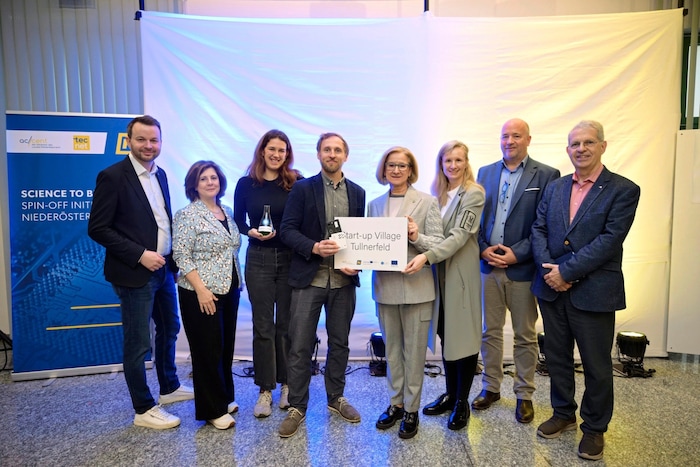
A blessing for nature
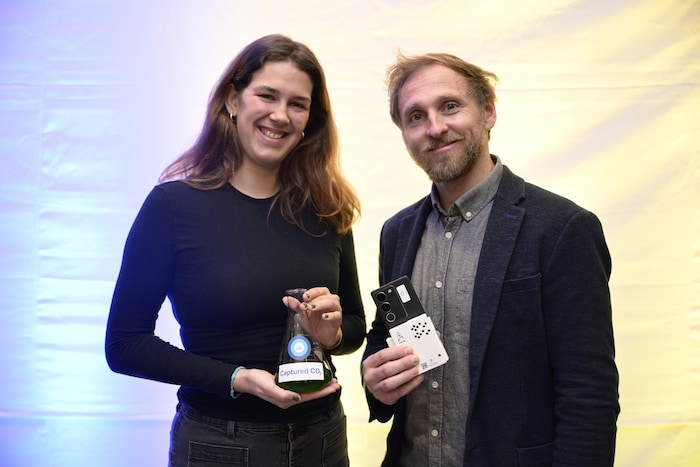
In Tuln, young eco-pioneers are developing globally sought-after technologies between the field and the laboratory. Anna Buchner, founder of Cyan Cycle, for example, is pursuing the goal of sustainable biomass production. Anna's miracle cure for climate change: modular cubes that bind CO2 from exhaust gas streams and convert it into high-quality biofertilizer using micro plants. Patrik Aspermaier, on the other hand, is developing highly sensitive odor sensors for environmental monitoring and food quality with his company NOSI. His contribution to the blessing of nature: a technology that has matured to reproduce biological scents and detect them precisely. For Wolfgang Kniejski from EIT Manufacturing, this is all a model for regional innovation promotion: "Stakeholders are brought together along the entire value chain."
Old school "blossoms"
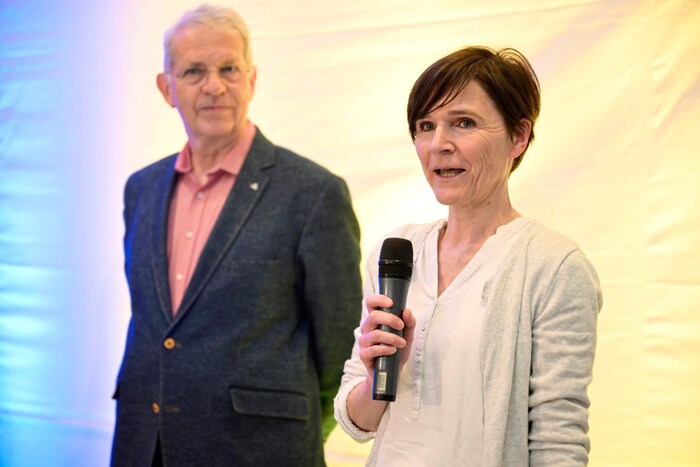
"We have transformed the disused agricultural school into a modern innovation center with 19 start-ups and the best infrastructure. There are very few similar projects in the world," says Christoph Reiter-Havlicek, Head of the state's Buildings and Real Estate Management, proudly. Birgit Mitter and her start-up Ensemo are also on the road to global success. An ingenious and award-winning invention: inoculating soya seeds with nodule bacteria so that they need less nitrogen fertilizer.
This article has been automatically translated,
read the original article here.









Da dieser Artikel älter als 18 Monate ist, ist zum jetzigen Zeitpunkt kein Kommentieren mehr möglich.
Wir laden Sie ein, bei einer aktuelleren themenrelevanten Story mitzudiskutieren: Themenübersicht.
Bei Fragen können Sie sich gern an das Community-Team per Mail an forum@krone.at wenden.