Trend in funeral services
“Individual design is becoming increasingly important”
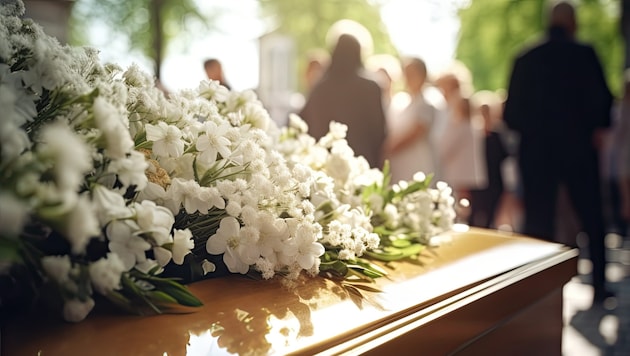

According to Statistics Austria, 3456 people died in Burgenland last year. Almost as many funerals are organized by local morticians every year. New trends can also be observed time and again when it comes to the last journey.
 Kronen Zeitung als bevorzugte Google-Quelle hinzufügen
 "Funerals are still an important cultural asset that are subject to special ethical standards," reports Joachim Aufner, Guild Master of Funeral Directors at the Burgenland Chamber of Commerce. Tradition and customs play a major role. Nevertheless, new paths are also being taken here time and again.
More cremations
This starts with the type of burial. The proportion of cremations is now at 30 to 35 percent. And the trend is still rising. Occasionally, there are even requests for water burials. "This is not possible in Burgenland, but it is in a section of the Danube in Lower Austria," says Aufner. The increasing proportion of non-denominational people in the population is also having an impact on burials. Funeral orators are increasingly being used instead of clergymen.
At the same time, the trend towards individualization does not stop at the design of funeral ceremonies. Good advice is therefore all the more important, emphasizes the guild master: "While processes in services are becoming increasingly automated, personal care for the bereaved will continue to be important in the funeral business in the future."

Even if rituals promise stability, it is clear that funeral ceremonies are usually highly individualized.
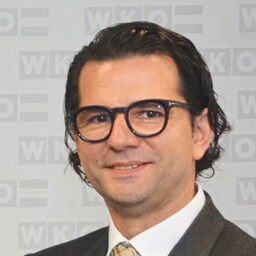
Innungsmeister Joachim Aufner
Bild: WKB
Fewer expressions of sympathy at funerals
According to Aufner, it can be observed in southern Burgenland that relatives are increasingly asking for condolences to be omitted from the funeral service. This may have been exacerbated by the restrictions imposed during the coronavirus pandemic.
Occasionally, however, very special wishes are expressed for the funeral: From hard rock music as a backdrop to deliberately not wearing mourning clothes. It is becoming increasingly rare for people to be invited to a funeral meal or funeral feast after the funeral. "This usually only happens if it was important to the deceased or if they were a member of many associations," says Aufner. Instead, relatives would rather sit together in a smaller circle.
This article has been automatically translated,
read the original article here.











Da dieser Artikel älter als 18 Monate ist, ist zum jetzigen Zeitpunkt kein Kommentieren mehr möglich.
Wir laden Sie ein, bei einer aktuelleren themenrelevanten Story mitzudiskutieren: Themenübersicht.
Bei Fragen können Sie sich gern an das Community-Team per Mail an forum@krone.at wenden.