New electricity law fixed
Fairer costs, social tariff and exemption for PV
Austria is getting a new Electricity Act, which is due to be passed by the National Council this evening. The focus is on - urgently needed - relief for consumers.
 Kronen Zeitung als bevorzugte Google-Quelle hinzufügen
 After very intensive negotiations right up to the end according to the motto "good things take time", a compromise that is acceptable to all has now been reached. Among other things, the grid costs are to be distributed more fairly and a social tariff is also planned. The Greens would secure the necessary two-thirds majority for the government, as has been confirmed by several parties.
The energy spokespersons of the ÖVP, SPÖ, NEOS and Greens reported on the details of the agreement in parliament:
- Electricity is to become cheaper in future, and there is also likely to be direct price intervention. The common good is above all else. Should prices gallop away again, the state could intervene to regulate.
- The law is intended to distribute grid costs more fairly and brings a social tariff for around 290,000 low-income households. We are talking about savings of around 300 euros per year.
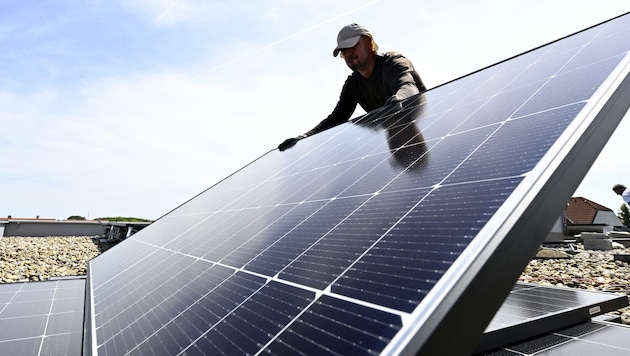
- Photovoltaic systems under 20 kilowatts will be exempt from the statutory feed-in fee of 0.05 cents per kilowatt hour.
The feed-in fees planned by the government for private feeders are thus "history", as Green energy spokesperson Lukas Hammer explained at a press conference on Thursday evening. It was unacceptable for the Greens that people who had invested in the energy transition with their PV systems would be penalized.
Everyone should benefit - no longer just the energy producers
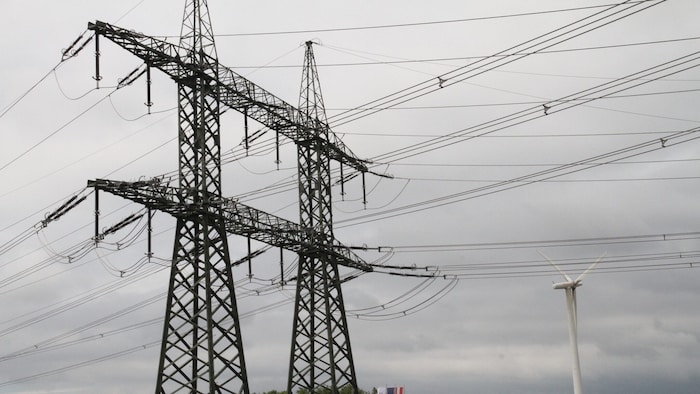
In around 150 pages and 191 paragraphs, the law sets out a new legal framework for the rapidly changing electricity market. In future, companies and households will no longer have to bear the unfair lion's share of 94% of the electricity grid expansion costs, but the electricity producers themselves will now also have to make an adequate contribution.
"The fact that large electricity producers will now also contribute to the grid fees means that the costs for private households and companies will fall. This social measure ensures that everyone benefits from the expansion of renewable energy, and no longer just the energy producers," said Vienna's Climate Councillor Czernohorszky.
This article has been automatically translated,
read the original article here.











Willkommen in unserer Community! Eingehende Beiträge werden geprüft und anschließend veröffentlicht. Bitte achten Sie auf Einhaltung unserer Netiquette und AGB. Für ausführliche Diskussionen steht Ihnen ebenso das krone.at-Forum zur Verfügung. Hier können Sie das Community-Team via unserer Melde- und Abhilfestelle kontaktieren.
User-Beiträge geben nicht notwendigerweise die Meinung des Betreibers/der Redaktion bzw. von Krone Multimedia (KMM) wieder. In diesem Sinne distanziert sich die Redaktion/der Betreiber von den Inhalten in diesem Diskussionsforum. KMM behält sich insbesondere vor, gegen geltendes Recht verstoßende, den guten Sitten oder der Netiquette widersprechende bzw. dem Ansehen von KMM zuwiderlaufende Beiträge zu löschen, diesbezüglichen Schadenersatz gegenüber dem betreffenden User geltend zu machen, die Nutzer-Daten zu Zwecken der Rechtsverfolgung zu verwenden und strafrechtlich relevante Beiträge zur Anzeige zu bringen (siehe auch AGB). Hier können Sie das Community-Team via unserer Melde- und Abhilfestelle kontaktieren.