Help published
Children who fast during Ramadan are getting younger and younger
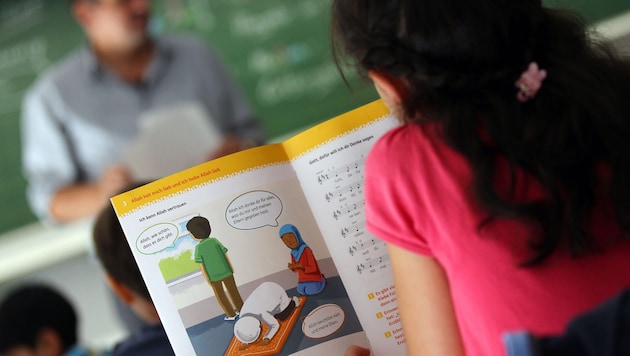


Children who fast during Ramadan are getting younger and younger. This is "negligent", criticized Tugrul Kurt, Professor of Islamic Theology, on Monday. Teachers are also sounding the alarm: pupils are finding it difficult to concentrate. The Islamic Religious Community (IGGÖ) confirms the development.
 Kronen Zeitung als bevorzugte Google-Quelle hinzufügen
 Physical education lessons are almost impossible without sufficient fluids, said compulsory school teacher representative Thomas Krebs on Ö1's "Morgenjournal". Although the Koran does not stipulate fasting for children and young people under the age of 14, there is pressure to abstain from eating and drinking. This could be from other children, parents, communities or preachers on social media, Krebs said.
Tugrul Kurt, Professor of Islamic Theology at the University of Vienna, reported that the preachers in particular are difficult to grasp and the situation is complex. It is "absurd" what they often preach.
Fasting only after religious maturity
The Islamic Religious Community (IGGÖ) confirms the current trend. "We were surprised ourselves when we noticed last year that primary school pupils were joining in," explains Carla Amina Baghajati, head of the IGGÖ's education department.
One reason for this is that Ramadan has fallen in the winter months in recent years. The shorter days make it easier to observe. There is no exact age at which the Islamic fasting requirement begins. From an Islamic point of view, religious maturity is reached as soon as physical and mental maturity has been reached - and both vary for young people. This may be the case at the age of 12 or 14, for example.

Islamic religious education teachers go into detail about Ramadan in their lessons and deal with it primarily in relation to the children's lives.
Carla Amina Baghajati, Leiterin des Schulamtes der IGGÖ
Orientation guide published
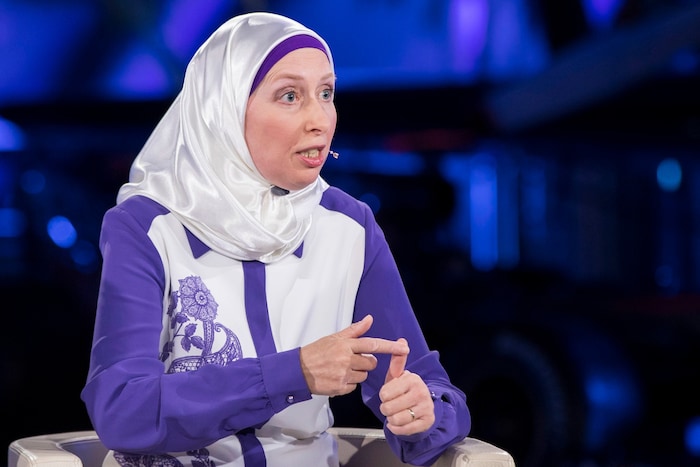
The IGGÖ has published an online guide that answers frequently asked questions. Parents, teachers and children can use it as a guide. Baghajati emphasizes its voluntary nature. Parents should discuss Ramadan with their children and pack them a snack and drink for safety. Dialogue is important here - and to convey to young Muslims: "I must not put others under pressure."
Parents lack understanding
Professor Tugrul also recommends that teachers talk to the parents of affected children. However, they are often intransigent, Krebs points out. According to him, Muslim pupils could just as easily give up sweets or their cell phones during Ramadan.
Ramadan is the month of fasting for Muslims. From sunrise to sunset, believers abstain from eating, drinking, smoking and sex. The fast is then broken at sunset. In some Islamic countries, there are even penalties if people (not just Muslims) eat, drink or smoke in public during the day in Ramadan.
This article has been automatically translated,
read the original article here.











Da dieser Artikel älter als 18 Monate ist, ist zum jetzigen Zeitpunkt kein Kommentieren mehr möglich.
Wir laden Sie ein, bei einer aktuelleren themenrelevanten Story mitzudiskutieren: Themenübersicht.
Bei Fragen können Sie sich gern an das Community-Team per Mail an forum@krone.at wenden.