Obesity
The consequences of being overweight are underestimated


Obesity is more than just too much fat on the stomach or a "beauty flaw". However, the various effects are still underestimated. An internist explains which organs suffer and what those affected can do about it.
 Kronen Zeitung als bevorzugte Google-Quelle hinzufügen
 "The problem with the metabolic (metabolism-related) consequences is that, unlike mechanical and mental illnesses, they go unnoticed for a long time as they do not cause any pain or changes in quality of life. Only when heart and kidney function are impaired do people focus on treating them. By then, however, it is often too late to stop the ongoing processes in the body," explains Assoc. Prof. Dr. Yvonne Winhofer-Stöckl, Department of Endocrinology and Metabolism, MedUni Vienna, in Ärzte Krone.
The consequences of obesity for the heart and kidneys result from classic risk factors such as high blood pressure, dyslipidemia (a lipid metabolism disorder in which the composition of blood lipids is shifted) and hyperglycemia (elevated blood glucose levels), all of which promote the development of atherosclerosis (hardening of the arteries). "Their therapy has become established and can be implemented well thanks to numerous substances," reports the internist.
Heart and kidneys also get problems
In addition to the classic factors, however, there are other factors that are probably due to chronic fluid overload in the body. "This results in an increased preload for the heart and the small renal arteries. In the long term, this causes a loss of the kidneys' filtration capacity and the heart's ability to pump and relax," explains Prof. Dr. Winhofer-Stöckl.
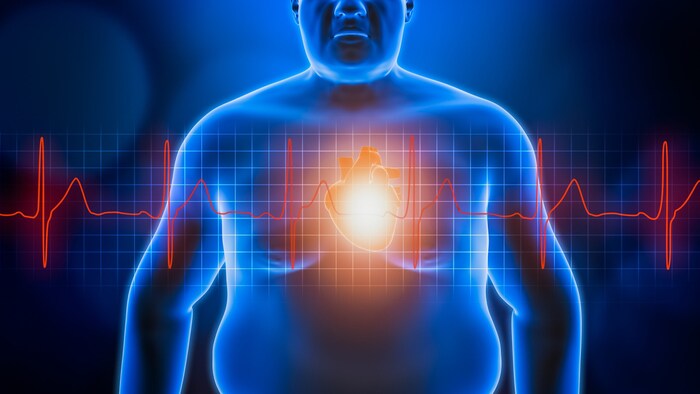
Insulin resistance remains the main cause of many problems. It leads to fat being deposited in the liver, which increases sugar production and raises blood sugar levels. In addition, more cholesterol is released, which leads to fat storage in the pancreas and disrupts insulin production. This has a negative impact on blood lipid levels, particularly high triglycerides and low HDL cholesterol. These changes therefore also promote the development of arteriosclerosis.

All people with newly diagnosed type 2 diabetes benefit immensely from weight reduction.

Assoc.-Prof. Dr. Yvonne Winhofer-Stöckl
Bild: MedUni Wien/feelimage
"The BMI at which these metabolic changes occur is likely to vary from person to person. We speak of the 'personal fat tolerance limit'," says the internist, who adds: "All people with newly diagnosed type 2 diabetes benefit immensely from weight reduction. A loss of more than 10 percent of the initial weight can even cause blood sugar levels to normalize."
In addition to lifestyle changes, medication is also used to help with weight loss and lower blood sugar levels.
This article has been automatically translated,
read the original article here.











Da dieser Artikel älter als 18 Monate ist, ist zum jetzigen Zeitpunkt kein Kommentieren mehr möglich.
Wir laden Sie ein, bei einer aktuelleren themenrelevanten Story mitzudiskutieren: Themenübersicht.
Bei Fragen können Sie sich gern an das Community-Team per Mail an forum@krone.at wenden.