Chronic illness
Stroke: aftercare is underestimated
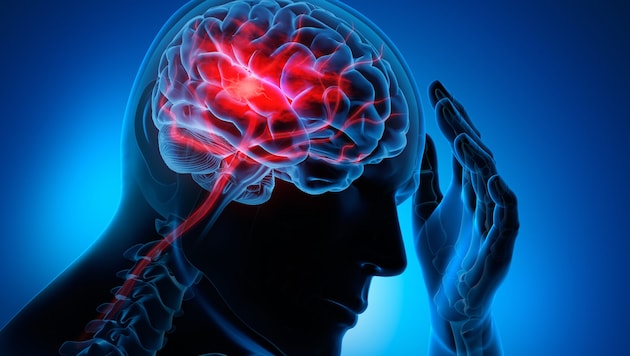

Although the chances of recovery after a stroke have improved massively in recent decades, many patients still neglect aftercare. What conditions can still occur months afterwards and what role sleeping habits play in the risk of stroke.
 Kronen Zeitung als bevorzugte Google-Quelle hinzufügen
 Around 20,000 Austrians suffer a stroke (insult) every year, which means that one person suffers a stroke every 27 minutes. Most of these are treated acutely in specialized departments, so-called stroke units, or intensive care units. This has greatly increased the chances of survival and recovery in recent decades.
However, post-stroke care is also considered crucial. This is because stroke is not only an acute but also a chronic illness: "Most patients develop frequent complications weeks to months after the insult, such as depression, anxiety, cognitive deficits and dementia, sleep disorders, fatigue, epilepsy, falls and fractures," reports conference president Priv.-Doz. Dr. Bettina Pfausler, Senior Physician at the University Clinic for Neurology in Innsbruck (T) on the occasion of the annual conference of the Austrian Society of Neurology.
Incidentally, sleep plays a major role in the risk of insult: "A particularly long sleep duration (over eight hours) is a strong marker and a risk factor for strokes and should be taken into account in future risk assessments and prevention strategies," says the neurologist.
This article has been automatically translated,
read the original article here.











Da dieser Artikel älter als 18 Monate ist, ist zum jetzigen Zeitpunkt kein Kommentieren mehr möglich.
Wir laden Sie ein, bei einer aktuelleren themenrelevanten Story mitzudiskutieren: Themenübersicht.
Bei Fragen können Sie sich gern an das Community-Team per Mail an forum@krone.at wenden.