Ride through antiquity
Thessaloniki’s beautiful metro finally opened


A metro in Thessaloniki was first mentioned in writing in 1976. The ground-breaking ceremony took place in 1987. From then on, the project became a running gag in Greece and a prime example of mismanagement. "The Thessaloniki metro network? That's so great, it doesn't even exist!" they said. But now the Thessaloniki metro has finally been officially opened.
 Kronen Zeitung als bevorzugte Google-Quelle hinzufügen
 Despite only having a single line with 13 stations, it is already one of the most beautiful metros in the world.
Many of the ultra-modern stations are impressively embedded in ancient sites. This was also the main reason for all the delays: Construction workers repeatedly came across archaeological artifacts underground, including ancient roads and building walls. The Central Archaeological Council (KAS) repeatedly put a stop to this. Antiquity experts, Byzantinists, professional associations and citizens' initiatives came to evaluate the finds - and each time the construction work had to be halted, sometimes for months or even years. What to do? Relocate the stations? Bury the metro dream?
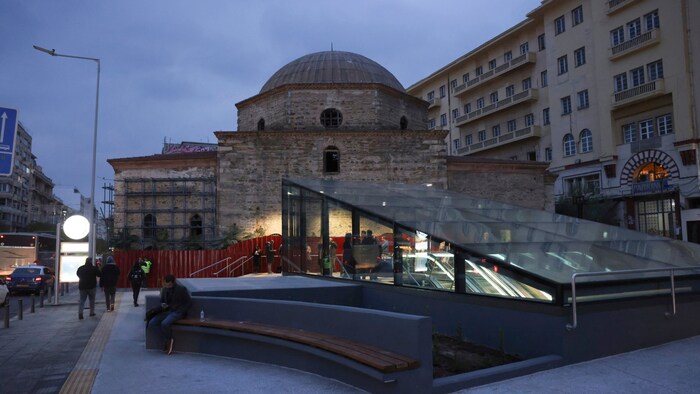
Archaeological treasures
In the end, around 300,000 objects, columns, wall pieces and marble artifacts were excavated, restored and integrated into the metro stations. This process can be seen most impressively at Venizelou station in the city center: with an area of 3,500 square meters, it looks more like a museum than a metro stop. It was originally an intersection of the late antique main street Decumanus Maximus, complete with gates, the foundations of stores and workshops as well as columns and artifacts.
Accordingly, the opening was a "historic moment", said Prime Minister Kyriakos Mitsotakis. The metro demonstrates the cultural wealth of the city, he said at the inauguration. Guests could not only travel from A to B, but also experience monuments from the port city's almost 2,500-year history. And it's pretty cheap: the ticket costs just 0.60 euros.
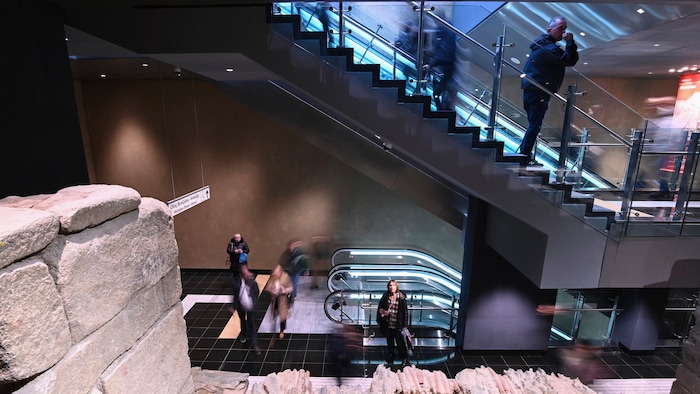
Driverless trains
The new metro is said to be one of the safest in the world. It is operated without a driver. Glass walls rise up along the platforms, the doors of which only open when the train stops and opens its doors. This seems futuristic amidst the archaeological artifacts. For the people of the city, however, the metro primarily means relief from the daily traffic jams. Experts estimate that the metro will save at least 56,000 car journeys a day.
This article has been automatically translated,
read the original article here.











Da dieser Artikel älter als 18 Monate ist, ist zum jetzigen Zeitpunkt kein Kommentieren mehr möglich.
Wir laden Sie ein, bei einer aktuelleren themenrelevanten Story mitzudiskutieren: Themenübersicht.
Bei Fragen können Sie sich gern an das Community-Team per Mail an forum@krone.at wenden.