The situation is getting worse
Homeless in Salzburg: “It often happens quickly”
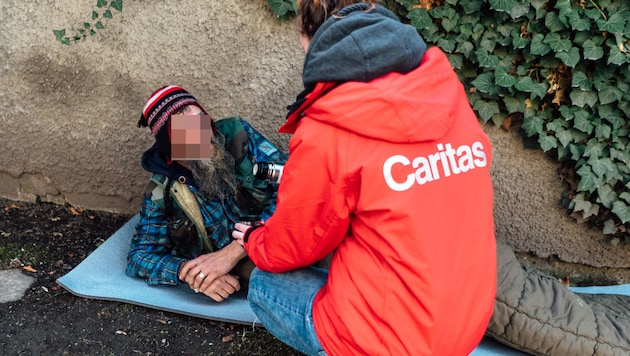

The situation on the Salzburg housing market is getting worse: more and more people are ending up on the streets. Social counselors like Janko Gojkic from Caritas are trying to break the cycle.
 Kronen Zeitung als bevorzugte Google-Quelle hinzufügen
 A local man had just come for advice: 50 years old, always hard-working, he was even a master craftsman. And suddenly he was in shock when an accident left him unable to work and shortly afterwards the landlord of his apartment registered his own requirements. "He came to us at the emergency shelter for a while," explains Janko Gojkic, social counselor at Caritas.
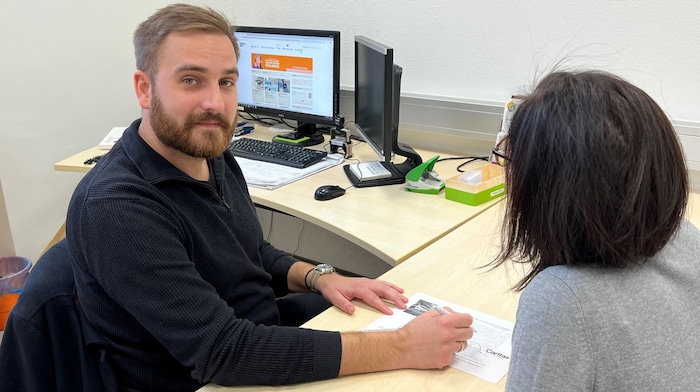
Competition on Salzburg's problematic housing market is fierce. Anyone who has to disclose AMS benefits has little chance of being selected as a tenant. Sickness benefit is also often a criterion for exclusion. As in the case of a chronically ill Salzburg couple who desperately sought help from Caritas: "They wanted an apartment, but didn't know that there were six other interested parties at the same time."
Need knows no age
It can affect anyone: "From 18-year-olds to 80-plus," says the social counselor, explaining that need knows no age limits. The number of social counseling sessions rose by 17 percent in 2024. Older, mentally ill people are becoming an increasing problem child. There is a lack of specialist facilities such as the Albertus Magnus House run by Caritas in Salzburg-Parsch. 40 people are on the waiting list. After the provincial councillor for social affairs Christian Pewny (FPÖ) canceled the Haus Bolaring project, there is no relief in sight.
Retirement rooms as the only way out
"For a 40 to 50 square meter apartment in the city, we are looking at 900 euros on the open market," says Gojkic. He often goes through the real estate advertisements for desperate clients. Finding new accommodation is becoming more and more of a challenge. The first resort for homeless people is a room in a boarding house. Around 100 people currently live in such private accommodation in Salzburg. The costs are rising in parallel with the horrendous prices on the free real estate market. As a result, Caritas is helping with projects such as "Mein Zuhaus" in Hübnergasse, where people live and are looked after for up to three years. Gojkic: "They experience important steps back to normality there."
This article has been automatically translated,
read the original article here.











Da dieser Artikel älter als 18 Monate ist, ist zum jetzigen Zeitpunkt kein Kommentieren mehr möglich.
Wir laden Sie ein, bei einer aktuelleren themenrelevanten Story mitzudiskutieren: Themenübersicht.
Bei Fragen können Sie sich gern an das Community-Team per Mail an forum@krone.at wenden.