Annoying ringing in the ears
Can tinnitus be caused by head movements?
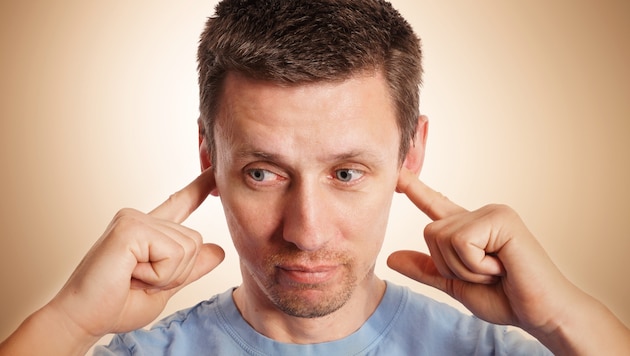

Whistling, buzzing, humming, hissing, ringing or knocking: the unpleasant noises in the ears can have many causes. Between 5 and 15 % of all adults experience tinnitus at some point, which lasts longer. The discomfort can also come from the cervical spine.
 Kronen Zeitung als bevorzugte Google-Quelle hinzufügen
In around 10 to 20 % of people with tinnitus, the ringing in the ears is so severe that it significantly impairs their quality of life and treatment is necessary. If the noises in the ear occur particularly when moving the head, when walking or after watching television for a long time, there are usually two causes: on the one hand, changes in the cervical spine (cervical spine) and, on the other hand, possibly restricted tubal ventilation, i.e. the ventilation of the middle ear through the Eustachian tube.
Cervical spine as a hotspot
The cervical spine is closely linked to various functions of the head and neck. "Muscular tension, poor posture or blockages in the cervical spine are often associated with ringing in the ears. Mechanical stimuli caused by movement or incorrect strain can lead to changes in blood circulation or the state of tension in the tissue," explains Dr. Stefan Edlinger, ENT specialist from Vienna. "These processes in turn influence sensory perception and can trigger or intensify ringing in the ears. It is known that the perception of sounds can change, especially when the head moves or during physical activity."
At the same time, the ventilation and condition of the middle ear should be examined more closely by a doctor. The eustachian tube ensures that the middle ear remains ventilated and pressure equalization is possible. Impaired tube function, which can occur due to swelling of the mucous membrane, inflammation or muscular imbalances in the throat area, often leads to an unpleasant feeling of pressure, increased noise perception or even a kind of fullness in the ear. Insufficient ventilation often causes increased noise perception and pressure sensations and can explain why you perceive television sounds as louder or more unpleasant, for example.
What can you do yourself?
"Even before a medical examination, you can take some measures yourself to alleviate discomfort, often effectively: Make sure you sit in an upright position, especially when watching TV or working on the computer, and integrate regular breaks to relax the neck and shoulder muscles. Light stretching and loosening exercises can help to reduce muscular imbalances, and massages promote blood circulation, advises Dr. Edlinger.
Chronic stress has been shown to have an impact on the perception of ringing in the ears, so relaxation methods such as breathing exercises, meditation or yoga can be helpful. I recommend nasal rinses with saline solution to support tube ventilation. Please avoid using cotton buds, as these can push foreign bodies such as hair or earwax towards the eardrum and increase irritation.
This article has been automatically translated,
read the original article here.










Da dieser Artikel älter als 18 Monate ist, ist zum jetzigen Zeitpunkt kein Kommentieren mehr möglich.
Wir laden Sie ein, bei einer aktuelleren themenrelevanten Story mitzudiskutieren: Themenübersicht.
Bei Fragen können Sie sich gern an das Community-Team per Mail an forum@krone.at wenden.