Urgent appeal
Bureaucracy and total bans jeopardize the economy

Excessive bureaucracy is already slowing down a successful energy transition. The Chamber of Commerce warns against total bans in view of the wind power survey. And industry is fighting for survival.
 Kronen Zeitung als bevorzugte Google-Quelle hinzufügen
 "You get sent around in circles in this country," says energy entrepreneur Christoph Aste, describing the bureaucratic hassle: "There was a one-year pause in a solar thermal project because there were concerns that buildings could be blinded, but they don't even exist there yet." In addition, small hydropower operators recently received a letter from the state. "An ecological restoration plan must be drawn up by the end of 2025, otherwise they will lose their right to use the water."
Herwig Draxler, Head of Economic Policy at the Chamber of Commerce (WK), confirms this assessment: "We find ourselves in a bullying trap. The new energy law is good, but there are still problems with enforcement."
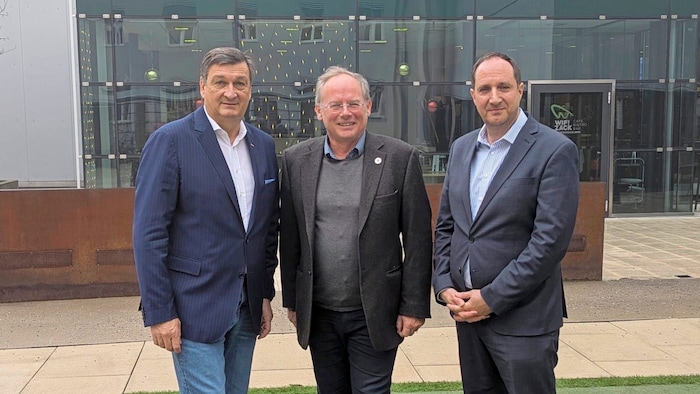
The upcoming wind power survey could exacerbate the situation. "We are eliminating ourselves if we simply rule out solutions. That's poison for the economy," warns WK President Jürgen Mandl. "It's about Carinthia as a business location for the coming decades and not about political gimmicks. This fear-mongering hurts me." Aste also warns of the "economic suicide" that a possible total ban could lead to.
"There are already no more investments, jobs are being destroyed," explains Draxler, referring to the energy mix: "At the current rate, we need 45 years to be independent of fossil fuels." Carinthia transfers hundreds of millions of euros abroad every year for electricity alone. "If we save a third of that, that's a lot of money," emphasizes WK President Mandl.
We cannot afford ideology, the hut is on fire," Timo Springer, President of the Federation of Austrian Industries, tells the coalition negotiators. "Austria is falling further and further behind in global competition."
Is the message getting through in Vienna? "We are exerting pressure through all channels, including unofficial ones," explains VP Provincial Councillor Sebastian Schuschnig. "Industry is the lifeline of the Carinthian economy and is currently in intensive care." The problems are well known: the economic downturn, high costs for energy and personnel as well as bureaucracy.
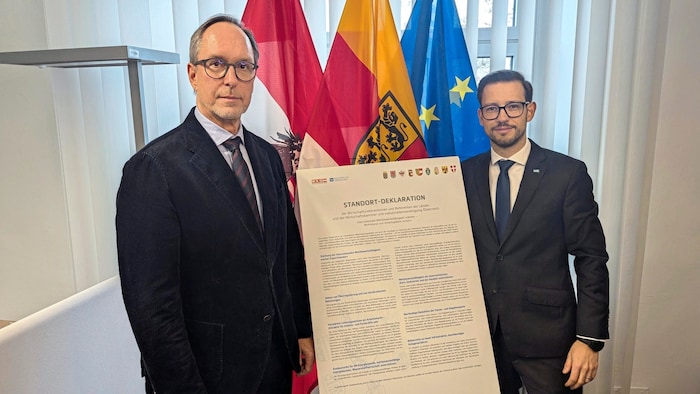
"EU regulations have doubled. On average, an industrial company spends 2.5 percent of its turnover on bureaucracy alone. That is the profit margin for many," warns Springer. Schuschnig is in favor of more performance incentives in the labor market, lower taxes and duties. Both warn against a "yes" vote in the wind power referendum. "A ban would be just as disastrous as the ban on combustion engines," says Springer and Schuschnig warns: "If we mess this up, no large company will set up shop here!"
This article has been automatically translated,
read the original article here.











Da dieser Artikel älter als 18 Monate ist, ist zum jetzigen Zeitpunkt kein Kommentieren mehr möglich.
Wir laden Sie ein, bei einer aktuelleren themenrelevanten Story mitzudiskutieren: Themenübersicht.
Bei Fragen können Sie sich gern an das Community-Team per Mail an forum@krone.at wenden.