Because dispute escalates
Ouch cheek: A price shock threatens at the dentist


There is an ice age between the health insurance fund and the dentists' association. While fillings could become up to 150 euros more expensive, assistants are fighting for fair wages. One of them now opens up about everyday practice life.
 Kronen Zeitung als bevorzugte Google-Quelle hinzufügen
 For most Austrians, a visit to the dentist with the obligatory drilling is a horror anyway. The EU-wide ban on amalgam with its toxic mercury content in fillings is now threatening to cause an avalanche of costs from January. This is because talks between the Austrian Health Insurance Fund and the Austrian Dental Association about reimbursement for new fillings are currently on ice or have been broken off.
Dispute at the expense of 7.4 million people with health insurance
If no agreement is reached, 7.4 million (health-insured) Austrians will have to pay for the dispute in the new year. Each filling will then cost between 70 and 150 euros more. These would then have to be paid privately at the practice and the invoice subsequently submitted to the ÖGK in order to get at least part of it back.
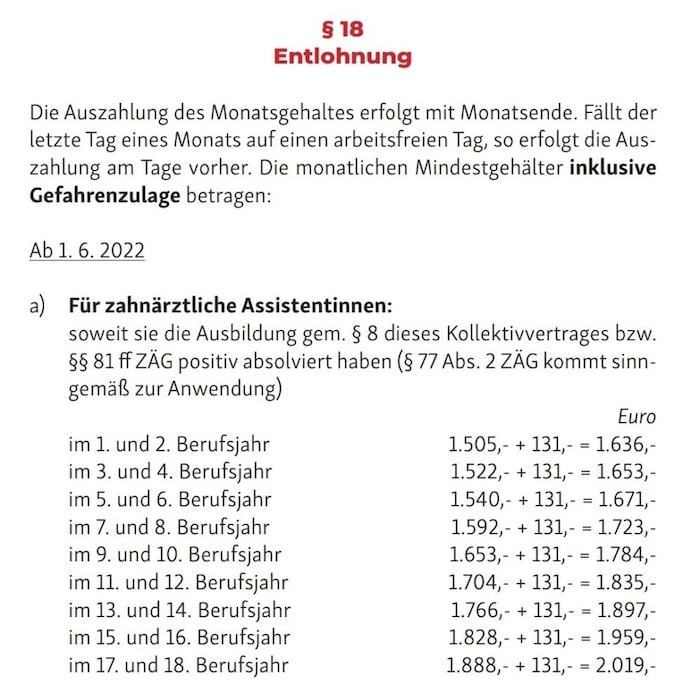
Away from the wrangling between the Medical Association and ÖGK, 41-year-old dental assistant Renate B. (name changed by the editors) now reveals in the "Krone" about everyday practice life. She and her colleagues have been subject to the same collective agreement since 2022. Despite price rises and inflation, they have continued to work for the same salary - which, with an income of just under 2,000 euros, only makes it difficult to live from the 18th year of employment (see excerpt below). "We've been waiting all this time for a pay rise. That hasn't happened yet," says Renate B.
"We have to do things we're not even allowed to do"
It is the fear of no longer being able to get a job in the industry as a "traitor" that makes Renate B. ask for anonymity. She describes herself as a mouthpiece for her colleagues from all over Austria: "I've heard of assistants who have to do oral hygiene without any additional training. Patients come in and complain that the treatment hurts and that they bleed a lot. You don't know whether it was done by someone who is trained to do it or whether the dentist wants to save money."

I know of enough assistants who can't apply themselves for fear of no longer getting a job in the industry.

Renate B. (Name von der Redaktion geändert), Zahnarztassistentin
Bild: Privat
There have even been cases where one of her colleagues had to do fillings - without any training at all. Some other dental assistants have to pay for their own work clothes, activities such as vacuuming or cleaning toilets are also part of everyday life, just so that the practice can save money. B. continues: "I also know of practices where only one face mask is used every day and the number of gloves is calculated precisely."
Dental chamber counters all accusations
According to Chamber Director Felix Schmidt, however, everything is in order when asked: "Dental assistants are deployed in the surgeries for the activities for which they are trained." Meanwhile, the union continues to fight for the assistants: "We have been informed by the union that it now wants to reopen the package that has already been agreed. The package would have brought significant improvements for dental assistants."
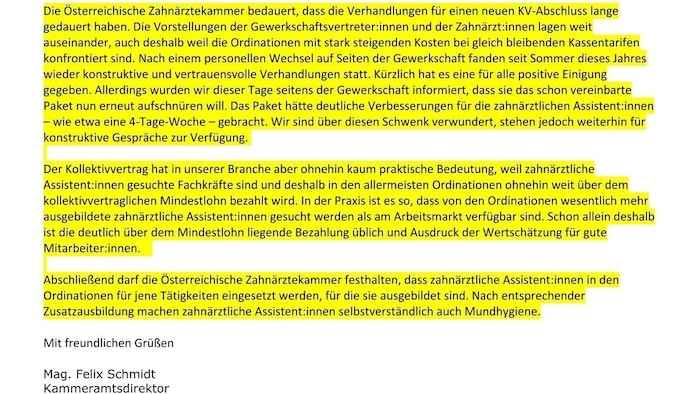
According to Renate, however, the situation is more complicated: "The Chamber was prepared to give us a pay rise, but they would have worsened our contract on other points." In any case, time is pressing in the dispute over fair wages and reimbursement of costs for fillings.
This article has been automatically translated,
read the original article here.











Da dieser Artikel älter als 18 Monate ist, ist zum jetzigen Zeitpunkt kein Kommentieren mehr möglich.
Wir laden Sie ein, bei einer aktuelleren themenrelevanten Story mitzudiskutieren: Themenübersicht.
Bei Fragen können Sie sich gern an das Community-Team per Mail an forum@krone.at wenden.