Viruses and weapons
Nobel Prize winner warns of deadly AI dangers
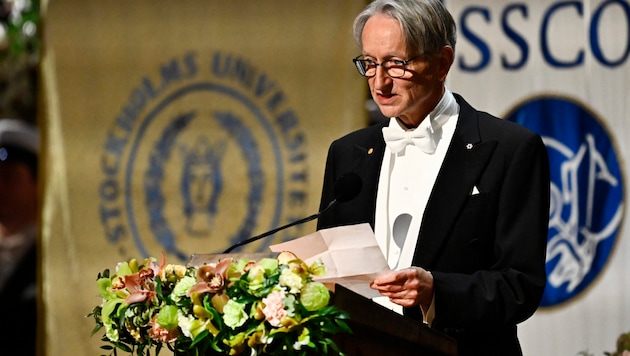

Nobel Prize-winning physicist and basic AI researcher Geoffrey Hinton has issued a stark warning about the dangers that artificial intelligence could bring to humanity. "In the near future, AI could be used to create terrible new viruses and horrific new deadly weapons that decide for themselves who to kill or maim," he said.
The 77-year-old Briton said at the Nobel Banquet in honor of this year's Nobel Prize winners in Stockholm that AI could be used to create highly intelligent helpers that could increase productivity in almost all industries and thus bring wonderful progress for humanity. Unfortunately, however, the rapid development of AI also entails many short-term risks.
"No longer science fiction"
These require urgent and energetic attention from governments and international organizations, Hinton warned the nearly 1,300 guests. In the longer term, there is also an existential threat posed by the creation of digital beings that are more intelligent than humans.
"We have no idea whether we can maintain control," said Hinton. "We urgently need to research how we can prevent these new beings from trying to take control. They are no longer science fiction."
Hinton, who teaches at the University of Toronto in Canada, and the US American John Hopfield have been awarded this year's Nobel Prize in Physics for fundamental discoveries and inventions that enable machine learning with artificial neural networks. Like the other Nobel Prize winners, they were honored at a ceremony on Tuesday.
This article has been automatically translated,
read the original article here.











Da dieser Artikel älter als 18 Monate ist, ist zum jetzigen Zeitpunkt kein Kommentieren mehr möglich.
Wir laden Sie ein, bei einer aktuelleren themenrelevanten Story mitzudiskutieren: Themenübersicht.
Bei Fragen können Sie sich gern an das Community-Team per Mail an forum@krone.at wenden.