Islamism on the net
The gateway drug TikTok: Calls for a ban are getting louder

Following the attack in Villach, calls for a ban on the digital information platform TikTok are growing louder. Including from the Carinthian state government. Experts give their assessment of the dangers and solutions.
 Kronen Zeitung als bevorzugte Google-Quelle hinzufügen
TikTok, a Chinese video platform used by hundreds of millions of people - 170 million in the USA alone. However, behind the harmless name and presentation lies evil. Last seen in Villach. The assassin is said to have radicalized himself via TikTok. In Austria, around 50 percent of young people use TikTok etc.
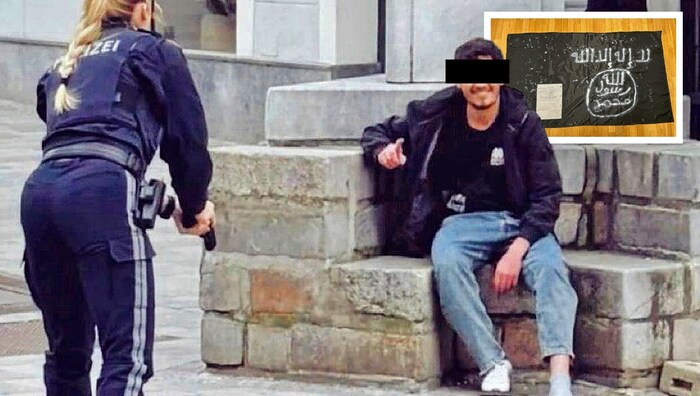
The dangers have long been pointed out. Hate preachers seduce young Muslims. For experts, a kind of gateway drug to Islamism. An enormous danger for our society. "Allah's powerful influencers. How TikTok Islamists are radicalizing our youth." This is the title of a book that will be available in stores from mid-March. The authors are journalists Stefan Kaltenbrunner and Clemens Neuhold ("profil").
"Fire accelerant for extremism"
"During our research, we went into the lives of young Muslims. This is important in order to understand why they are so easily indoctrinated by online Islamists. Preachers give them an identity via TikTok. A feeling of strength and togetherness. These preachers reach millions of young people. Islamism is becoming mainstream," says Kaltenbrunner, former head of the news channel Puls 24.
"This is not just about refugees, but also about many young Muslims born here who are susceptible to radical Islam. TikTok is an accelerant for extremism. It is the gateway drug."
Politicians have not looked closely for years. The dynamics of online radicalization were misjudged. Now we need constructive solutions and not show politics.
"The path to anarchy"
Following the attack in Villach, Governor Peter Kaiser (SPÖ) and his government called for a ban on TikTok on Tuesday. He also demanded that all social media be required to screen their content for anti-democratic content and prevent radicalizing videos using algorithms.
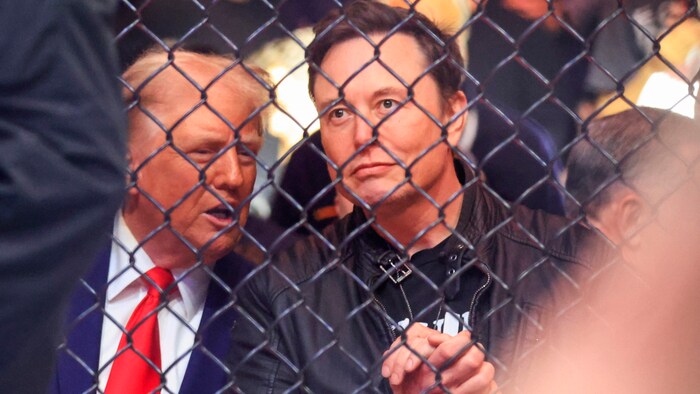
In the direction of Trump friend Elon Musk (head of X, formerly Twitter), who advocates complete freedom of expression, Kaiser states: "If there is no more control, that is the path to anarchy."
A ban has been in place in India since 2020, while in the USA (where the main concern is data leakage to China), Spain, Australia and New Zealand, it is being heavily considered. It is interesting to note that TikTok is used almost exclusively as a scientific platform in China, where it was invented.
Interference with fundamental rights
But is it legally possible to implement a ban so easily? Walter Obwexer, Professor of European Law at the University of Innsbruck, states that TikTok is obliged to comply with the high standards of EU law on digital services. "Since 2024, the Commission has been investigating the platform for, among other things, a possible risk of addiction and a lack of protection for minors."
A ban on TikTok in the EU could probably only be imposed by the EU, but only as a last resort to prevent radicalization in this way. Especially as a total ban would represent a serious encroachment on the platform's fundamental rights - to entrepreneurial freedom and property. Lawyer Obwexer advises: "In any case, stricter regulations would be desirable."
This article has been automatically translated,
read the original article here.










Da dieser Artikel älter als 18 Monate ist, ist zum jetzigen Zeitpunkt kein Kommentieren mehr möglich.
Wir laden Sie ein, bei einer aktuelleren themenrelevanten Story mitzudiskutieren: Themenübersicht.
Bei Fragen können Sie sich gern an das Community-Team per Mail an forum@krone.at wenden.