Syria's horror
This is how brutal it was in Assad’s “slaughterhouse”
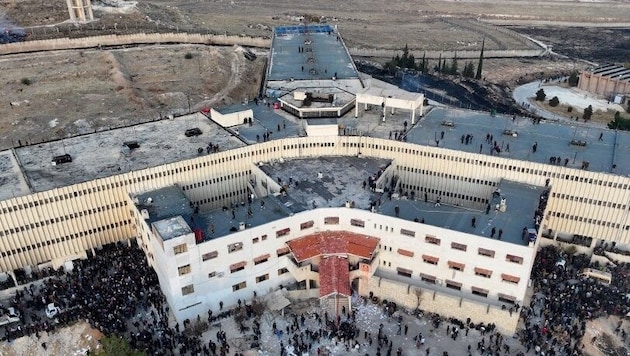

The Assad regime ruled Syria with ruthless violence for decades. The Saidnaya military prison, where dissidents were tortured and killed, became a symbol of sheer horror. The lawyer David Crane examined images of torture and compared the methods to Nazi rule ...
 Kronen Zeitung als bevorzugte Google-Quelle hinzufügen
 The Syrian civil defense organization White Helmets assumes that up to 150,000 people may have been detained in the Saidnaya military prison. Between 50 and 100 prisoners were probably executed every day and then burned in ovens (see video above).
The methods used by army and security officers were brutal. The lawyer David Crane, who viewed images of torture, spoke of "killings on an industrial scale". The human rights organization Amnesty International reported that there had been a room with 30 nooses for hanging detainees. The US government spoke of a crematorium next to the main building to burn bodies. Some were discovered there during the liberation, said White Helmets leader Raid al-Saleh.
Raped and disappeared
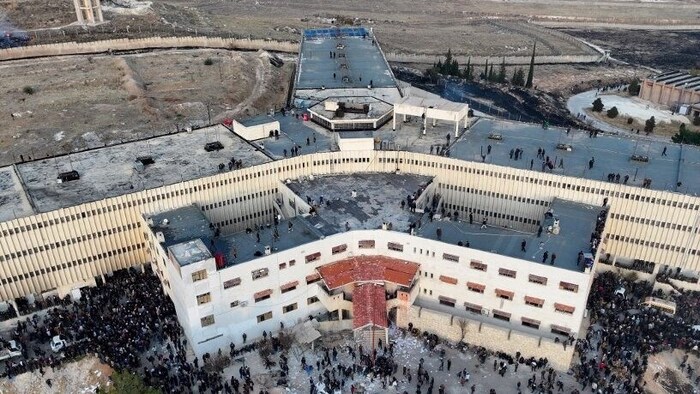
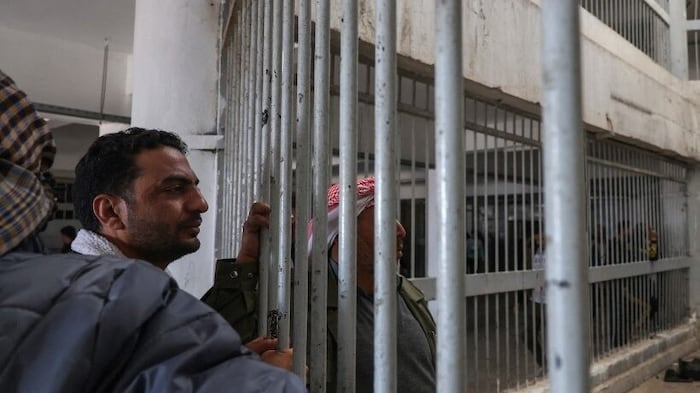
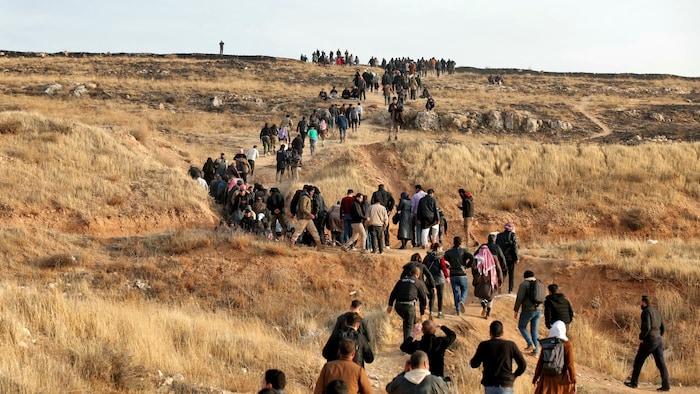
Around 20,000 to 50,000 people were rescued from the building complex north of the capital Damascus in just one day. The guards fled the facility after the fall of the Syrian ruler. Survivors and former guards told Amnesty International about a human press, known as a "flying carpet", and the "tire" method. Inmates were forced into a car tire with their heads between their knees and beaten. Prisoners were killed with the metal press.
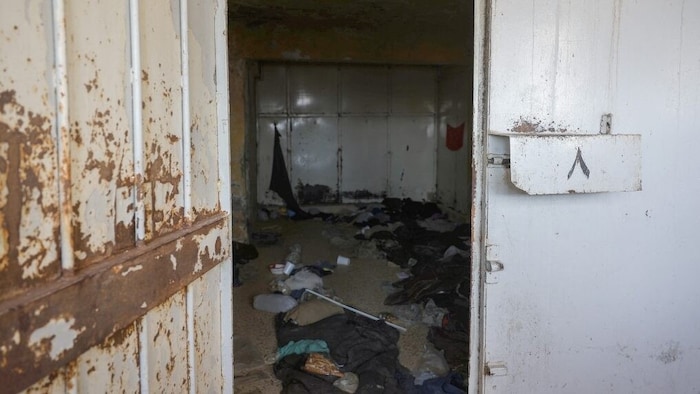
The military prison is known among Syrians as a "slaughterhouse". Prisoners had been raped and beaten, others had become psychotic and died in their cell. People did not have to commit a crime to be imprisoned. It was enough to be against the system. Prisons have existed in Syria since the 1970s, where opposition activists disappeared like black holes.
Pilot did not want to bomb city - detention
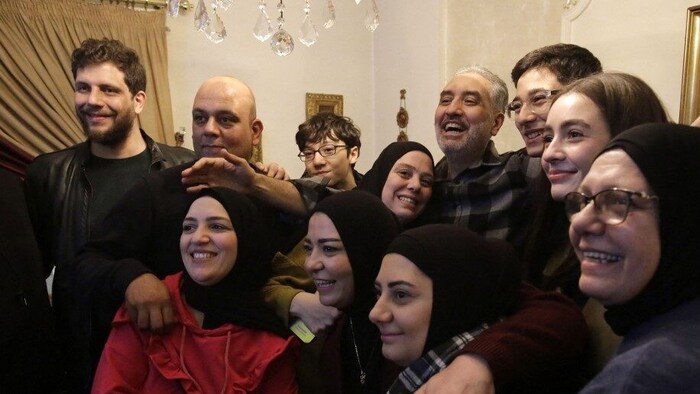
Among those freed is a former pilot who refused to bomb the city of Hama during an uprising against Hafiz al-Assad (Assad's father, editor's note) in the 1980s. After 43 years in prison, he found a completely different Syria. The survivors are now struggling to find their feet in their new lives. They are often severely scarred by the injuries inflicted on them.
Here you can see a video of the search for prisoners.
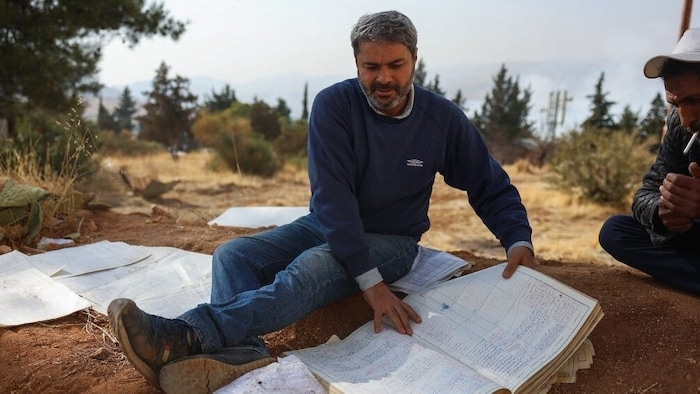
Many prisoners are still missing. Civilian guards and relatives are therefore still searching for allegedly hidden underground cells. The Assad government has described the accusations of locking up and even killing dissidents as "baseless" and false.
Some people are now holding symbolic funerals and mourning ceremonies for their relatives. With the liberation of Saidnaya military prison, new details about the conditions have come to light.
This article has been automatically translated,
read the original article here.











Da dieser Artikel älter als 18 Monate ist, ist zum jetzigen Zeitpunkt kein Kommentieren mehr möglich.
Wir laden Sie ein, bei einer aktuelleren themenrelevanten Story mitzudiskutieren: Themenübersicht.
Bei Fragen können Sie sich gern an das Community-Team per Mail an forum@krone.at wenden.