Ecosystem changes
Saltwater fish are increasingly conquering the Panama Canal
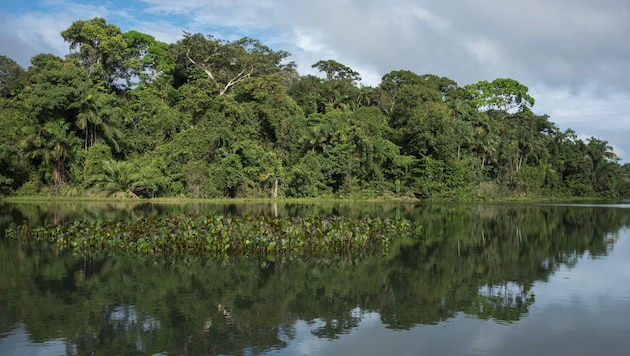

Significantly more saltwater fish than before can be found in the Panama Canal since its expansion in 2016. In particular, the number of large predatory fish such as the Atlantic tarpon has increased. As a result, the fish population in the freshwater lake Gatún, which is part of the canal, has changed noticeably.
 Kronen Zeitung als bevorzugte Google-Quelle hinzufügen
 For the study, scientists from the Leibniz-Institute of Freshwater Ecology and Inland Fisheries (IGB), the Freie Universität Berlin, the Smithsonian Tropical Research Institute in Panama and Harvard University in the US compared the composition of the fish communities in the lake before (2013-2016) and after the canal expansion (2019-2023).
To do this, they used a long-term series of scientific catch data on the number, biomass and spatial distribution of species.
Now 76 percent saltwater fish instead of 26
"Before the canal expansion, marine fish made up only 26 percent of the total mass of fish, now it is 76 percent," said the IGB. Of the marine species in the lake, 18 came from the Atlantic Ocean north of the canal and five from the Pacific. The proportion of freshwater fish species has decreased significantly.
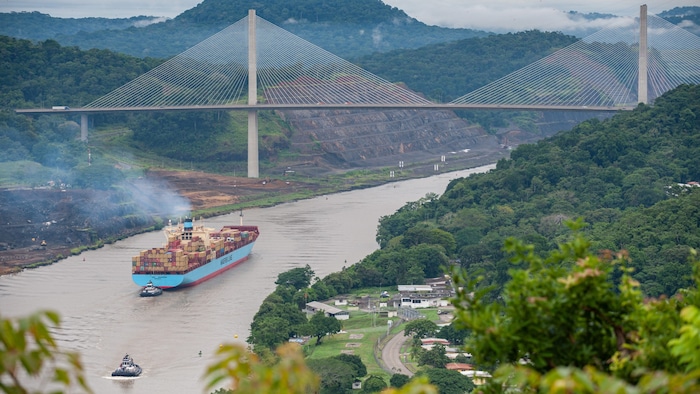
According to the IGB, extensive structural changes were made to the lock system when the Panama Canal was expanded in 2016. The new locks for the passage of ships are larger than the old ones. Every time a ship passes through, more fresh water flows into the sea and more salt water into the canal than before - and therefore possibly more fish each time.
The facts
- The Panama Canal is an artificial, 80-kilometer-long waterway that cuts through the isthmus of Panama in Central America and connects the Atlantic with the Pacific. Ships are thus spared the long, dangerous journey around the southern tip of South America.
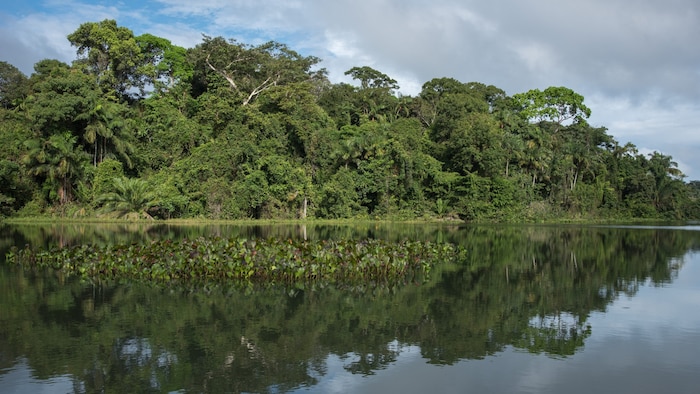
- Lake Gatún is a huge artificial reservoir that was created during the construction of the canal. It is now very rich in fish, with many species having been introduced from other regions of the world.
Introduction into new oceans feared
According to the researchers, the conversion also increases the risk that some species will pass through the canal completely and colonize the opposite ocean. As most of the marine fish affected are predators and eat other fish, their colonization could lead to changes in the ecosystem.
This article has been automatically translated,
read the original article here.











Da dieser Artikel älter als 18 Monate ist, ist zum jetzigen Zeitpunkt kein Kommentieren mehr möglich.
Wir laden Sie ein, bei einer aktuelleren themenrelevanten Story mitzudiskutieren: Themenübersicht.
Bei Fragen können Sie sich gern an das Community-Team per Mail an forum@krone.at wenden.