Sustainably beautiful
Cosmetics packaging: How to separate correctly!
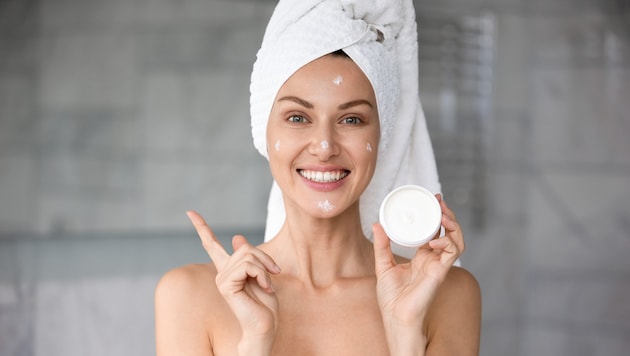

Glass, paper, plastic, aluminum. The waste from cream jars, tubes, perfumes, masks or vials from beauty products in our households is quite considerable. Unfortunately, separating them is not always easy. Read here how to do it anyway.
 Kronen Zeitung als bevorzugte Google-Quelle hinzufügen
 Good on the outside, bad in the garbage can? More and more consumers are paying close attention to the ingredients, origin and value of their care products, but what about the packaging?
Valuable skin and hair care products naturally need to be protected accordingly - i.e. properly packaged. The hygiene requirements are rightly very high. In addition to protection against germs and contamination, the product must of course also be able to be transported without breakage.
A challenge for consumers
This is not only a challenge for manufacturers, but also for users, who then have to dispose of the whole thing. If the products are strictly separated, we would have to dispose of the plastic film, the cardboard box, the metal atomizer, the plastic tube inside and the glass bottle separately for a perfume, for example. A bit of a hassle perhaps, but important in terms of sustainability!
Here's how to do it right, as the experts at Kosmetik transparent list.
- Plastic: Most shampoo bottles, cream tubes/jars and make-up packaging are made of plastic. These should be empty and belong in the yellow garbage can or yellow bag. It is not necessary to wash out the containers thoroughly - they just need to be completely empty.
- Glass containers: Perfume bottles or jars made of glass belong in the bottle bank. However, as already mentioned, it is necessary to remove plastic or metal lids and pumping devices beforehand and dispose of them separately.
- Aluminum: Deodorant sprays or tubes made of aluminum should be disposed of in the yellow bin/yellow bag. The same applies here - empty of residue, but not washed out.
- Paper and cardboard: These belong in the waste paper and should be freed from plastic inserts before disposal.
- Hazardous waste: Nail polish, nail polish remover, spray cans with contents.
- Everything else goes in the residual or household waste.
Waste avoidance is becoming increasingly popular
Producers, especially organic and plant-based cosmetics, but also the major brands, have gotten the message: Making packaging sustainable is becoming more and more of a trend.
If you pay attention to certain external features of the cream, lotion or shower gel when you buy it, it will be easier for you to dispose of it afterwards and you won't have to have a bad (environmental) conscience. On average, each of us uses 800 bottles of shampoo in a lifetime! The quantity can at least be reduced if you use large bottles ("family pack"), which is also cheaper.
Look out for the following features: recycled plastic, sustainably produced cardboard, refillable containers, easily separable components (e.g. unscrewable pump sprayers). If all this is too complicated for you, look for refillable cosmetic products. These are the clear winners when it comes to sustainability.
These include refillable shampoo, shower gel and liquid soap. Some perfume manufacturers already offer something similar. Solid shower gel/bars of soap are often sold wrapped in paper. Washable make-up remover wipes can be used instead of cotton pads. Eye shadow palettes are also available with individual colors that can be renewed and exchanged. Some brands take back used, recyclable containers and even offer a refund.
This article has been automatically translated,
read the original article here.











Da dieser Artikel älter als 18 Monate ist, ist zum jetzigen Zeitpunkt kein Kommentieren mehr möglich.
Wir laden Sie ein, bei einer aktuelleren themenrelevanten Story mitzudiskutieren: Themenübersicht.
Bei Fragen können Sie sich gern an das Community-Team per Mail an forum@krone.at wenden.