Fighting continues
EU pays Syria 2.5 billion euros in aid
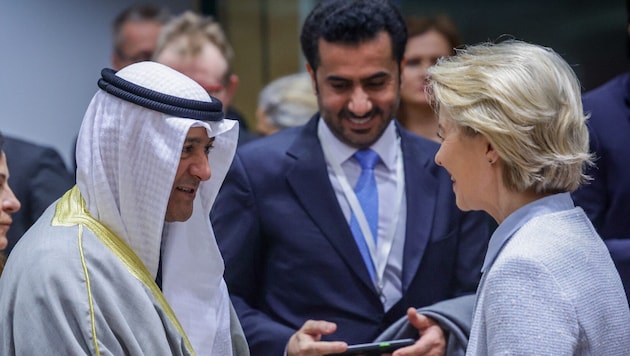

At the Syria conference in Brussels, donor countries pledged 5.8 billion euros in aid. Almost 2.5 billion of this will come from the European Union (EU). Foreign Minister Beate Meinl-Reisinger (NEOS) was on site from Austria.
 Kronen Zeitung als bevorzugte Google-Quelle hinzufügen
 "The Syrians need more support, regardless of whether they are still abroad or whether they decide to return home," said EU Commission President Ursula von der Leyen. How exactly the money from Brussels is to be distributed has not yet been decided. For the first time, representatives of the Syrian authorities were also present at the annual conference in Brussels. Syria's acting Foreign Minister Assaad al-Shibani thanked the EU for lifting the sanctions, among other things.
The Austrian government is contributing 19.3 million euros in humanitarian aid for Syria and its neighboring countries. 14 years after the start of the civil war, large parts of the country lie in ruins. The humanitarian situation is still catastrophic, with around 16.7 million people estimated to be in need of aid.

Almost 1400 civilians killed
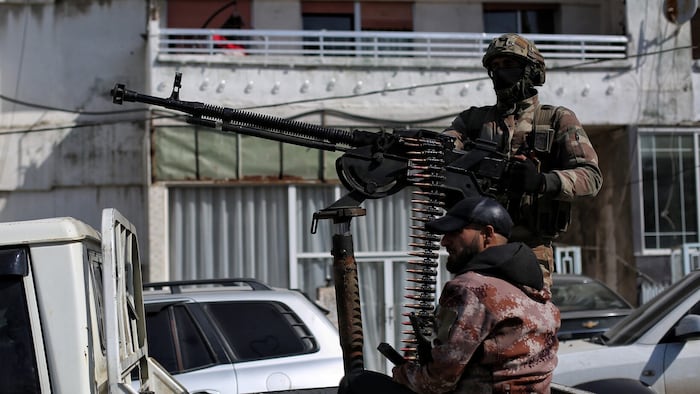
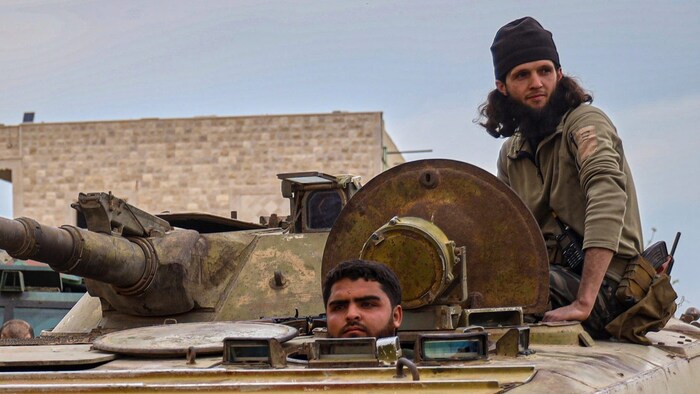
About a week ago, the fiercest fighting since the overthrow of Syrian ruler Bashar al-Assad by the Islamist HTS militia on December 8 broke out in western Syria. According to the Syrian Observatory for Human Rights, at least 1,383 civilians have been killed, most of them members of the Alawite religious minority.
In addition, fighting has been reported in the border area between Lebanon and Syria since Sunday evening. At least ten people have been killed on the Syrian side, according to media reports. The Lebanese Ministry of Health reported seven dead and 52 injured in the country. Armed forces of the Syrian transitional government are believed to have been ambushed by the Lebanese Hezbollah militia. Their fighters had kidnapped soldiers, abducted them to Lebanon and killed them there. Hezbollah denied responsibility.
The neighboring countries of Syria and Lebanon have had a tense relationship for decades because Hezbollah, as an ally of the ousted ruler Assad, controlled the border region, among other things. The Lebanese army says it is trying to calm the situation.
This article has been automatically translated,
read the original article here.











Da dieser Artikel älter als 18 Monate ist, ist zum jetzigen Zeitpunkt kein Kommentieren mehr möglich.
Wir laden Sie ein, bei einer aktuelleren themenrelevanten Story mitzudiskutieren: Themenübersicht.
Bei Fragen können Sie sich gern an das Community-Team per Mail an forum@krone.at wenden.