5 out of 10,000 patients
“This is a disease with 1000 faces”
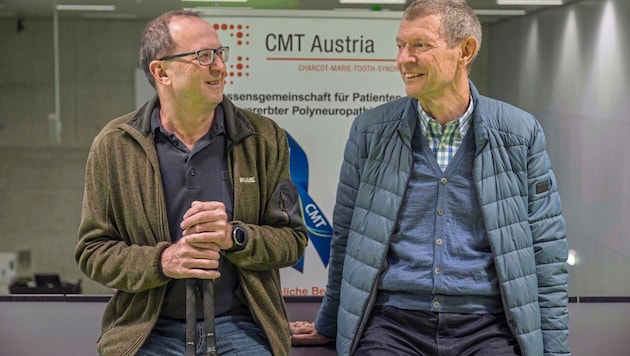

"Rare Disease Day" takes place every year on the last day of February. The path to diagnosis is often long and difficult for those affected. The "Krone" spoke to three sufferers and a doctor from Graz.
 Kronen Zeitung als bevorzugte Google-Quelle hinzufügen
"It's going to be like climbing a mountain," says Johann Frankl as he looks at the steps at the end of the lecture hall at MedUni Graz. The 61-year-old suffers from alpha-1 antitrypsin deficiency, or alpha-1 for short, which is a hereditary metabolic disorder that can affect the liver or lungs. While the liver is often affected by this disease in children, it is the lungs that are the problem child in adults.
"I was in the brass band for 40 years. When I couldn't keep up with marching because I didn't have enough air, it was funny," Frankl recalls. A lung function test was then carried out during a routine examination. "My doctor then referred me further and recommended an alpha-1 test."
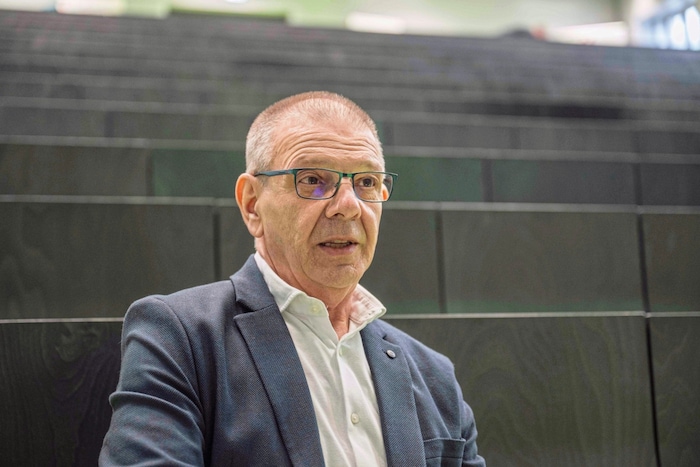
Since being diagnosed in 2008, the Kapfenberg native has been receiving a weekly infusion to slow down the progression of the disease. In everyday life, his stamina is his main limitation: "I do everything a little slower because I don't have enough air, but I try to stay fit."
Living with a rare disease
There is no cure for his disease; in the worst-case scenario, he could even need a lung transplant sooner or later.
Rudolf Haidinger and Gerfried Huber are also affected. They both suffer from CMT. This is a neurological disease in which the nerve conduction velocity decreases. This leads to muscle wasting in the arms and legs. "The impulses from the brain no longer reach them," explains Haidinger. "Regular physiotherapy is important to keep you active and train your muscles," says Huber. But even CMT cannot be cured: "It's a disease with 1000 faces."
The medical view
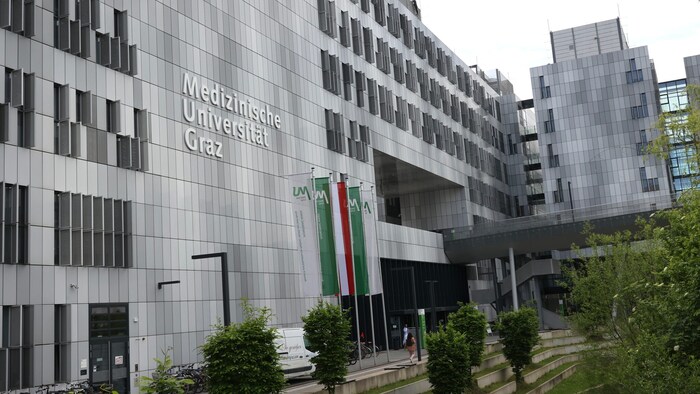
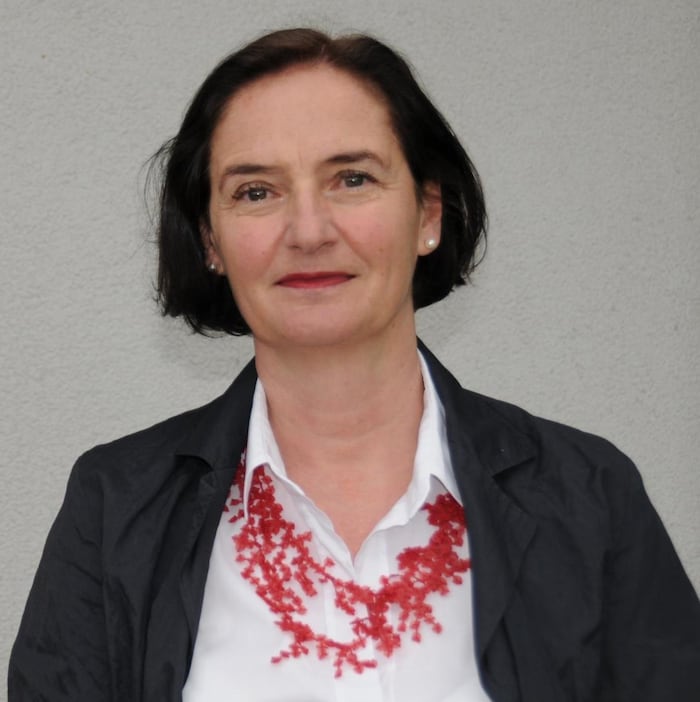
These diseases are considered rare because no more than five in 10,000 people are affected. "In Austria, newborn screening has now been expanded in order to detect and treat rare diseases as early as possible," explains Barbara Plecko, doctor and Head of the Clinical Department of Pediatrics and Adolescent Medicine at Graz University Hospital.
Genetic analysis also plays an important role in this area. "80 percent of rare diseases are genetic defects," says Plecko. By analyzing the approximately 20,000 genes in the human body, such defects can be identified and rare diseases diagnosed. The cost of such an analysis is around 3000 euros.
Finding a diagnosis is often laborious, but fortunately rare diseases are by no means always a death sentence. Patience is required in a similar way to mountaineering: life with such a disease is difficult, but conquerable.
This article has been automatically translated,
read the original article here.









Da dieser Artikel älter als 18 Monate ist, ist zum jetzigen Zeitpunkt kein Kommentieren mehr möglich.
Wir laden Sie ein, bei einer aktuelleren themenrelevanten Story mitzudiskutieren: Themenübersicht.
Bei Fragen können Sie sich gern an das Community-Team per Mail an forum@krone.at wenden.