Boom in mushrooms
Collector had two deadly mushrooms in her basket
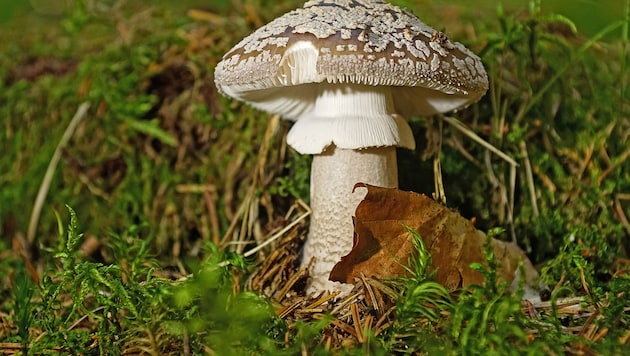

The abundance of rain this year ensured a record-breaking mushroom year in the forest floors. The mushroom advisory service in Linz recorded five times more inquiries than in the previous year. One collector brought back highly poisonous button mushrooms and panther mushrooms.
 Kronen Zeitung als bevorzugte Google-Quelle hinzufügen
 One man's sorrow is another man's mushroom joy: the frequent rainfall this autumn may have been a pain in the neck for many of our fellow countrymen, but for the mushrooms, the long-lasting moisture, coupled with the falling temperatures after the summer, was the ideal breeding ground.
"Mushroom growth hasn't been as diverse as this year for ages," says Albert Kapun from the City of Linz's mushroom advisory service. And so the good conditions for porcini mushrooms, parasols and co. were also noticeable in terms of numbers: "We had five times as many consultations this year as last year, with around 160 in the last month and a half," says Kapun.
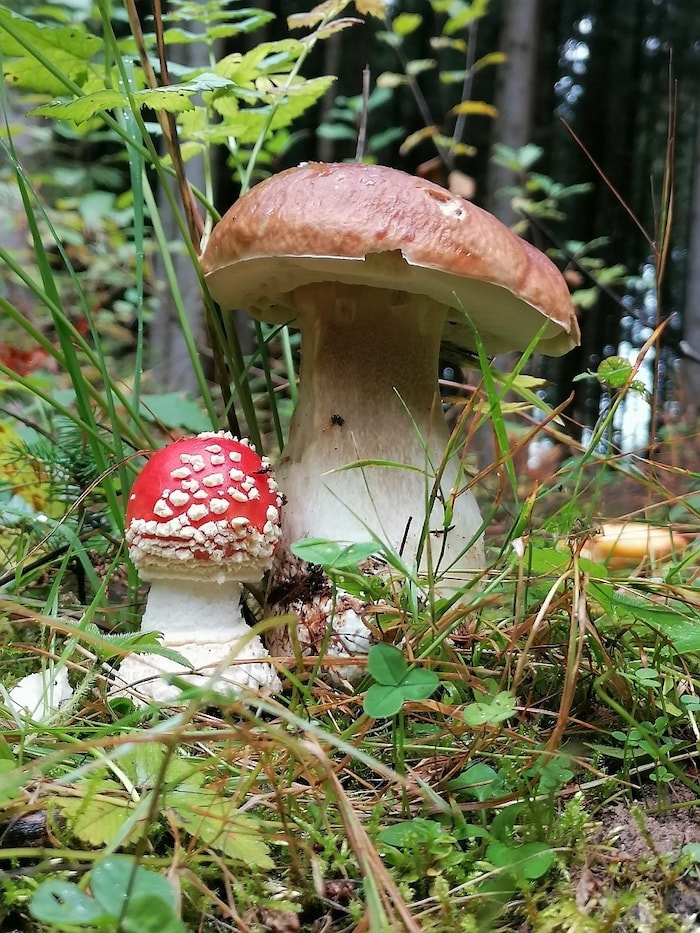
The expert clarifies for collectors whether the mushrooms they find are edible. "For example, one lady came in with button mushrooms and panther mushrooms. I immediately disposed of everything because even small fragments are enough to cause major problems," says Kapun about the two types of mushroom, which can be fatal if eaten in large doses.

Mushroom growth has not been as diverse as this year for ages. This year we had five times as many consultations as last year, and in the last month and a half there were around 160.
Albert Kapun, Mitarbeiter der Pilzberatung der Stadt Linz
Mushrooms are still sprouting
Visitors to the forest are generally allowed to collect up to two kilos of mushrooms per day. Otto Stoik, chairman of the ARGE Österreichischer Pilzberater, also speaks of a "diverse mushroom year." The good news for all pickers: although the mushrooms are becoming fewer as the temperatures drop, there are still plenty of boletes, chestnuts and russulas to be found.
However, Stoik warns that care must be taken with frost damage: "Mushrooms that have already been frozen and are therefore mushy can cause gastrointestinal complaints because protein decomposition has already begun."
This article has been automatically translated,
read the original article here.











Da dieser Artikel älter als 18 Monate ist, ist zum jetzigen Zeitpunkt kein Kommentieren mehr möglich.
Wir laden Sie ein, bei einer aktuelleren themenrelevanten Story mitzudiskutieren: Themenübersicht.
Bei Fragen können Sie sich gern an das Community-Team per Mail an forum@krone.at wenden.